Analysis of Cream Mask Ingredients and Effects
Question
Based on the ingredient list of a cream mask (which includes Tranexamic Acid, Glycerin, Dimethicone, C12-15 Alkyl Benzoate, Isopropyl Myristate, Phenyl Trimethicone, Triehylhexanoin, Tocopheryl Acetate, Dioscorea Villosa Root Extract, Algae Extract, Glycine Soja Protein, and Hydrolyzed Rice Bran Protein, among others), what are its main properties and intended benefits? What are the potential risks for allergy or clogged pores? Which ingredient is considered the primary "star" active ingredient?
Answer
Analysis of the Cream Mask Ingredients
Based on the ingredient list provided, here is an analysis of the cream mask:
1. Key Properties
The primary intended benefit of this cream mask appears to be skin brightening and reducing blemishes, largely due to the inclusion of Tranexamic Acid. This ingredient is known for its ability to help improve the appearance of dark spots and uneven skin tone.
Beyond brightening, the mask also provides moisturizing and nourishing benefits. Ingredients like Glycerin, Dimethicone, C12-15 Alkyl Benzoate, Isopropyl Myristate, Phenyl Trimethicone, and Triehylhexanoin contribute to the mask's texture, help condition the skin, and prevent moisture loss, leading to a soft and smooth feel as noted in the replies.
Additionally, ingredients like Tocopheryl Acetate (Vitamin E), Dioscorea Villosa Root Extract, Algae Extract, Glycine Soja Protein, and Hydrolyzed Rice Bran Protein offer antioxidant and skin-conditioning properties, supporting overall skin health and appearance.
2. Potential for Allergy or Clogging
Analyzing the potential for allergy or clogging requires looking at individual ingredient properties, although reactions are highly personal and depend on the full formulation and individual skin sensitivity.
- Potential Clogging (Comedogenicity): Some ingredients, such as Isopropyl Myristate, are sometimes listed as potentially comedogenic, meaning they could contribute to clogged pores in some individuals, particularly those prone to acne. Other emollients and thickeners in the formula could also potentially be an issue for very sensitive or acne-prone skin, depending on their concentration and combination. Silicones like Dimethicone and Phenyl Trimethicone are generally considered non-comedogenic but can create a film on the skin.
- Potential Allergy/Irritation: Ingredients like Propylene Glycol and the preservative 2-Phenoxyethanol can occasionally cause irritation or allergic reactions in sensitive individuals. Plant extracts (Dioscorea Villosa Root Extract, Algae Extract) and proteins (Glycine Soja Protein, Hydrolyzed Rice Bran Protein) are generally well-tolerated but can, in rare cases, cause sensitivities. Tranexamic Acid is usually well-tolerated but can cause mild irritation in some, especially at higher concentrations.
It's important to note that the overall formulation and concentration of each ingredient play a significant role. If you have sensitive or acne-prone skin, patch testing the product before full application is always recommended.
3. The "Star" Active Ingredient
Based on the ingredient list and common usage in cosmetics, Tranexamic Acid is likely considered the primary "star" active ingredient ("นางเอก") in this mask, particularly for its targeted action on skin brightening and reducing pigmentation issues like blemishes.
While other ingredients like Tocopheryl Acetyl, Algae Extract, and the various proteins contribute valuable conditioning, antioxidant, and nourishing benefits, Tranexamic Acid is the ingredient most directly associated with the prominent claim of improving skin tone and reducing dark spots, which aligns with the user's question and the forum replies. The base ingredients primarily serve to create the mask's texture and delivery system.
Related Products Mentioned
Vitamin E (Tocopheryl Acetate)
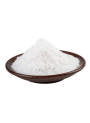
Tranexamic Acid (Trans-White™)