Analysis of Homemade Cream Formula: pH, Texture, and Skin Suitability
Question
I have created a homemade cream formula with the following ingredients:
- Purified Water: 75.6%
- Pepha Tight: 3%
- Green Tea Extract: 3%
- Beta Glucan: 3%
- Phenoxyethanol: 1%
- Shea Butter: 2%
- Rose Hip Oil: 5%
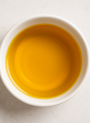
- Jojoba Golden Oil: 5%
- Sepiplus 400: 1%
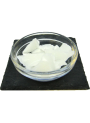
- Laureth-23: 1%
I would like to ask the expert about this formula:
- What is the estimated pH of this formula?
- What kind of texture (heavy/light) can I expect from this formulation?
- Are there any recommended adjustments for this formula, especially regarding the emulsification system (Sepiplus 400 and Laureth-23)?
- Is this cream suitable for use both day and night?
- Which skin types would this formula be most suitable for?
Answer
Formula Analysis and Feedback
Thank you for providing your formula and questions. It's great that you are experimenting with making your own cream! Based on your formula and the feedback from cosmeceutical7, here is an analysis and some points to consider:
1. Estimated pH Value
Estimating the exact pH of a complex formula without testing is difficult, as it depends on the pH of each water-soluble ingredient and their concentrations. However, considering that the formula is over 75% purified water and includes water-soluble ingredients like Pepha Tight, Green Tea Extract, Beta Glucan, and Phenoxyethanol, the final pH will be largely influenced by these components and the initial pH of your purified water. As cosmeceutical7 mentioned, you would need to know the typical pH range of each water-soluble ingredient to get a rough estimate. Generally, cosmetic creams aim for a pH between 4.5 and 7.0, which is compatible with the skin.
2. Cream Texture (Heaviness)
The texture of the cream will depend on the total oil phase and the type and amount of emulsifier/thickener used. Your formula contains Shea Butter (2%), Rose Hip Oil (5%), and Jojoba Golden Oil (5%), totaling 12% oils/butter. This is a moderate amount of oil phase. The emulsifier/thickener system includes Sepiplus 400 (1%) and Laureth-23 (1%).
As cosmeceutical7 pointed out, Laureth-23 is an emulsifier, and its compatibility with the rest of your formula, particularly in combination with Sepiplus 400, needs to be confirmed. Emulsifier choice is crucial for stability and texture. Sepiplus 400 is a common thickener and emulsifier that can create different textures depending on the concentration. A total oil phase of 12% plus emulsifiers/thickeners at 2% might result in a texture that is not overly heavy, but this is subjective and depends on the specific grades of ingredients and how they interact.
If you find the texture too heavy, you could consider slightly reducing the oil phase (e.g., reducing one or both of the liquid oils) or adjusting the type/ratio of emulsifier/thickener. If you want a lighter texture, you might need to explore different emulsifiers or gelling agents suitable for lighter creams or lotions.
3. Formula Adjustments
The most critical adjustment suggested by cosmeceutical7 is regarding the emulsification system, specifically the use of Laureth-23. It is recommended to ensure that Laureth-23 is compatible with Sepiplus 400 and the rest of your oil and water phases to prevent separation. If stability issues arise, you might need to:
- Confirm the compatibility of Laureth-23 and Sepiplus 400 in this specific formula.
- Consider using only Sepiplus 400 if it can effectively emulsify the oil phase at a suitable concentration.
- Explore alternative emulsifiers known to work well with the oils and other ingredients in your formula.
Other potential adjustments would depend on the specific goals for the cream and desired skin feel, which ties into the suitability for different skin types.
4. Day and Night Use
Based on the ingredients listed, there are no components that are typically problematic for daytime use (like strong photosensitizers). Therefore, the formula can likely be used both day and night, as cosmeceutical7 also indicated. However, as mentioned regarding texture, personal preference plays a big role. Some people prefer lighter textures during the day and richer creams at night.
5. Suitability for Skin Types
With a total oil/butter content of 12% (Shea Butter, Rose Hip Oil, Jojoba Golden Oil), this formula provides a significant amount of emollience and moisture. As cosmeceutical7 correctly noted, this composition is likely best suited for normal to dry skin types or mature skin that requires extra nourishment and moisture. For oily or acne-prone skin, this level of oiliness might feel too heavy and potentially contribute to clogged pores, although Jojoba Oil is often considered non-comedogenic. If you intend this cream for all skin types, you might need to significantly revise the oil phase and emulsifier system to create a much lighter, perhaps lotion or gel-cream texture.
In summary, your formula contains beneficial ingredients like Green Tea Extract, Rose Hip Oil, Jojoba Golden Oil, Beta Glucan, and Shea Butter. The main technical challenge appears to be ensuring stable emulsification with the chosen system (Sepiplus 400 and Laureth-23). The texture and suitability for skin type lean towards normal to dry skin due to the oil content.
Related Products Mentioned
Jojoba Oil (Golden - Deodorized)
Laureth-23
Phenoxyethanol (Extra Pure)
Rosemary Oleoresin Extract (ROE)
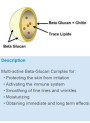

Hi-EGCG™ (Green Tea Extract)
Rosehip Oil (Virgin, Fresh)
Golden Shea Butter (Virgin, Ghana)
Sepimax Zen