Analysis of Oil Serum Formulation Issues
Question
I have a dry-normal skin type with sun-induced wrinkles and dullness. I would like to create an Oil Serum and have proposed the following formula:
- Water 10%
- Glycerin 10%
- Double Hyaluron Liquid 2%
- L-ascorbic acid 5%
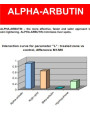
- Alpha Arbutin 2%
- N-Acetyl Cysteine 2%
- Safe B3/Niacinamide 2%
- Active Resveratrol 5%
- Chia Seed Oil
- Grape Seed Oil
- Vitamin E
- Sugar Gel
- Fragrance
(Percentages for oils, Vitamin E, Sugar Gel, and Fragrance are not specified, but the total is 100%)
Could you please advise on the following:
- What are the mixing steps for this formula?
- Are the ingredients in this formula compatible?
- Do you have any suggestions for improving this formula to address my skin concerns?
Answer
Subject: Analysis of Oil Serum Formulation
Thank you for providing your proposed oil serum formulation and detailing your skin concerns (dry-normal skin, sun-induced wrinkles, dullness).
We have reviewed your formula, and as the staff reply indicated, this specific combination of ingredients cannot be mixed successfully due to several formulation challenges.
Here's a breakdown of the issues and answers to your questions:
Issues with the Proposed Formula:
- L-Ascorbic Acid (LAA) Stability: Standard L-Ascorbic Acid (ID 941) is highly unstable in water-based solutions, especially at typical serum pH levels. It oxidizes rapidly, losing its effectiveness and potentially changing color. Your formula includes 10% water and 10% glycerin, which is enough water phase to cause this instability issue.
- Powder Solubility: Several ingredients in your formula are water-soluble powders (LAA ID 941, Alpha Arbutin ID 68, N-Acetyl Cysteine ID 705, Safe B3/Niacinamide ID 74, and potentially Active Resveratrol ID 62 depending on its form). The total water content (10% Water + 10% Glycerin + 2% Hyaluron Liquid) is likely insufficient to fully dissolve these powders at the concentrations you've proposed (5% LAA, 2% Alpha Arbutin, 2% N-Acetyl Cysteine, 2% Niacinamide, 5% Resveratrol). This would result in a grainy or separated product.
- Sugar Gel (ID 661) Emulsification/Thickening: Sugar Gel is an emulsifier/thickener, but it has limitations regarding the ratio of oil and water it can effectively handle. The staff noted that the water content in your formula is too high for Sugar Gel to properly emulsify or thicken the mixture, leading to separation.
Answers to Your Questions:
- Mixing Steps: Since the proposed formula is not stable and cannot be mixed successfully as written, we cannot provide specific mixing steps for it.
- Ingredient Compatibility: Yes, there are significant compatibility issues:
- L-Ascorbic Acid (ID 941) is incompatible with a standard water-based environment due to stability issues.
- The total amount of water phase is insufficient to dissolve the water-soluble powder ingredients.
- The ratio of water/oil phases is incompatible with the Sugar Gel (ID 661) emulsifier/thickener for creating a stable product.
- (Potential pH issue, but less critical than the above for why it won't mix) LAA requires a low pH for stability and efficacy, while Niacinamide (Safe B3 ID 74) is best at a higher pH (around 5-7). Combining them in a low-pH formula can lead to Niacin formation, causing flushing. However, the primary issues preventing mixing are LAA instability in water and powder solubility.
- Suggestions for Improvement: To create a stable serum addressing dry skin, wrinkles, and dullness, you would need to significantly revise the formulation approach.
- Vitamin C: Instead of standard L-Ascorbic Acid (ID 941) in a water-containing formula, consider using a stable Vitamin C derivative. For an oil-based serum feel, an oil-soluble derivative like Ascorbyl Tetraisopalmitate would be suitable. For a water-based or emulsion serum, stable water-soluble derivatives like Sodium Ascorbyl Phosphate (SAP) or Magnesium Ascorbyl Phosphate (MAP) could be used, or LAA could be formulated in a specialized anhydrous or very low-pH base.
- Formulation Type: Decide whether you want a true oil serum (mostly oils), a biphasic serum (oil and water layers), or an emulsion (oil-in-water or water-in-oil). Each requires different ingredients and formulation techniques.
- Emulsification/Thickening: Choose an emulsifier system appropriate for the desired serum type and the specific oil and water ratios. Sugar Gel (ID 661) may not be suitable for formulas with a significant water phase like the one proposed.
- Solubility: Ensure the solvent system (water, oil, glycols, etc.) is sufficient to dissolve all active ingredients at their target concentrations. If using many water-soluble actives, you will need a substantial water phase.
- Ingredient Selection: Focus on actives known to target your concerns and that are compatible within a stable system. Ingredients like Niacinamide (ID 74), Alpha Arbutin (ID 68), Hyaluronic Acid (ID 404), Resveratrol (ID 62), Vitamin E (ID 65), Chia Seed Oil (ID 1183), and Grape Seed Oil (ID 120) can be beneficial, but their incorporation depends on the chosen formula type and ensuring overall stability and compatibility.
Creating a stable and effective serum requires careful consideration of ingredient properties, compatibility, solubility, pH, and the appropriate emulsification/thickening system.
If you would like help formulating a new, stable recipe based on your skin concerns and desired serum type (e.g., light water-based serum, richer emulsion, etc.), please let us know!
Related Products Mentioned

Active Resveratrol™
Vitamin E (Tocopheryl Acetate)
Alpha Arbutin (Switzerland)

Safe-B3™ (Vitamin B3, Niacinamide)
Glycerin (USP/Food Grade)
Double Hyaluron Liquid
Purified Water, TDS Limit 1PPM)
Vitamin C (L-ascorbic acid) (Standard)
Mild Preserved Eco™ (Preservative-Free)
