Analysis of Serum Formula for Acne, Wrinkles, and Brightening: pH Conflict
Question
Please analyze a shared serum formula claiming to reduce acne, wrinkles, and brighten skin. Are the ingredients effective, does the formula need adjustments, and can you provide links to the ingredients?
Answer
Formula Analysis and Recommendations
This serum formula, shared online with claims to reduce acne, wrinkles, and brighten skin, contains several ingredients known for these benefits.
Beneficial Ingredients and Their Potential Effects:
- For Acne: Ingredients like Safe-B3™ (Vitamin B3), GlucoBright™ (Acetyl Glucosamine), Pure-TECA™ Centella Asiatica Extract (Pennywort Extract), RareGinseng®-GF2 (Ginseng Extract), and Aloe Vera Extract have properties that can help reduce inflammation, regulate oil, promote healing, and gently exfoliate, potentially benefiting acne-prone skin.
- For Wrinkles: Safe-B3™ (Vitamin B3), Collagen HP, 4D Hyaluronic Acid, GlucoBright™ (Acetyl Glucosamine), RareGinseng®-GF2 (Ginseng Extract), Rose Hip Oil, and Lactic Acid can improve hydration, stimulate collagen, enhance elasticity, and promote cell turnover, helping to reduce the appearance of wrinkles.
- For Whitening/Brightening: Safe-B3™ (Vitamin B3), Sodium Ascorbyl Phosphate (Vitamin C SAP), GlucoBright™ (Acetyl Glucosamine), and Lactic Acid are known for inhibiting melanin, fading dark spots, and improving skin tone and radiance.
Potential Formulation Challenge: pH Conflict
The formula includes both Sodium Ascorbyl Phosphate (Vitamin C SAP) and Lactic Acid (AHA). These ingredients have conflicting pH requirements for optimal stability and effectiveness:
- Sodium Ascorbyl Phosphate (SAP): Most stable and effective at an alkaline pH (around 7-9).
- Lactic Acid (AHA): Most effective for exfoliation and skin benefits at an acidic pH (ideally between 3.5 and 4.0).
Combining them in the same formula at these concentrations makes it difficult to achieve the optimal pH for both simultaneously. The pH of the final product would need careful adjustment, likely compromising the full potential of either the Vitamin C or the Lactic Acid.
Recommendations:
- Consider the pH: If you use this formula, you must adjust the pH carefully. A pH favoring one ingredient will reduce the effectiveness of the other. For example, setting the pH around 7-8 for SAP will significantly reduce Lactic Acid's exfoliating effects. Setting the pH around 3.5-4.0 for Lactic Acid will make SAP unstable and less effective.
- Alternative Formulation: To maximize the benefits of both Vitamin C and AHA, it is often recommended to use them in separate products applied at different times or to choose different forms of Vitamin C that are more stable at lower pH levels (like Ascorbyl Glucoside or Ethyl Ascorbic Acid), although these have different properties than SAP.
- Adjust Concentrations: The concentration of GlucoBright™ (Acetyl Glucosamine) at 1% is lower than the recommended 4% when used with Niacinamide for optimal brightening. You could consider increasing this if brightening is a primary goal, keeping in mind the total percentage of active ingredients.
Overall, the formula contains a good mix of beneficial ingredients. However, the inclusion of both SAP and Lactic Acid presents a significant challenge due to their incompatible pH requirements. Addressing this pH conflict is crucial for the formula to effectively deliver the promised benefits.
Relevant Products Mentioned:
- Disodium EDTA
- Glycerin
- Aristoflex AVC
- D-Panthenol Care
- Safe-B3™
- Sodium Ascorbyl Phosphate
- Collagen HP
- 4D Hyaluronic Acid
- GlucoBright™
- Pure-TECA™ Centella Asiatica Extract
- Honey Extract (Water-Dispersible)
- RareGinseng®-GF2
- Aloe Vera Extract
- Rose Hip Oil
- Lactic Acid
- Phenoxyethanol
Related Products Mentioned
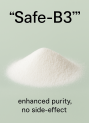
Safe-B3™ (Vitamin B3, Niacinamide)


GlucoBright™ (Acetyl Glucosamine)
Glycerin (USP/Food Grade)
Phenoxyethanol (Extra Pure)
Disodium EDTA
Rosehip Oil (Virgin, Fresh)
Lactic Acid (AHA) 90%

4D Hyaluronic Acid
Aristoflex AVC