Analysis of SPF 30 Sunscreen Lotion Formula for Oily Skin
Question
Please analyze the provided lightweight SPF 30 sunscreen lotion formula for oily facial skin, explain the role and claimed benefits of each ingredient, and recommend potential adjustments to optimize effectiveness for oily skin and ensure formulation stability.
Answer
Formulation Analysis: Dual-action daily hydrating sunscreen SPF 30
This formula combines chemical and physical UV filters with various skincare actives to offer broad-spectrum protection and target specific skin concerns like oiliness, hyperpigmentation, and wrinkles. This formula is designed as a lightweight lotion suitable for oily skin, providing both sun protection and skin-benefiting properties.
UV Filters
- Avobenzone (3.00%): A chemical filter providing excellent protection against UVA rays, which are responsible for skin aging. The concentration of 3% is within the allowed range in Thailand and Europe and is effective for UVA protection (PA+++).
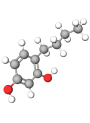
- Homosalate (5.00%): A chemical filter primarily protecting against UVB rays, which cause sunburn. 5% is within the allowed range and contributes to the overall SPF.
- Octisalate (5.00%): Another chemical filter for UVB protection and also acts as a solvent for other UV filters like Avobenzone. 5% is at the maximum allowed concentration and contributes significantly to the SPF.
- Octocrylene (7.20%): A chemical filter protecting against UVB and some UVA rays. It is also crucial for stabilizing Avobenzone, preventing it from degrading when exposed to sunlight. The concentration of 7.2% is within typical usage ranges and supports the stability of Avobenzone in the formula.
- Titanium Dioxide 15nm Liquid (5.00%): A physical filter providing broad-spectrum protection against both UVA and UVB rays. This liquid form uses very small particles (15nm) to minimize the white cast often associated with physical sunscreens. It is designed for water-in-oil (W/O) emulsions, which aligns with the use of Milk Lotion Maker in this formula. While 5% contributes to the overall SPF, higher concentrations are often used for stronger physical protection.
Skincare Actives
- Niacinamide (Safe-B3™) (5.00%): Also known as Vitamin B3, this multi-functional ingredient helps reduce oiliness, minimize pores, improve skin barrier function, reduce redness and hyperpigmentation, and has anti-aging benefits by stimulating collagen and ceramide production. 5% is a widely recommended and effective concentration for these benefits.
- Kojic Acid Dipalmitate (3.00%): A derivative of Kojic Acid, used for skin brightening and reducing dark spots and melasma by inhibiting melanin production. 3% is a standard effective concentration. It is oil-soluble and needs to be dissolved in the oil phase.
- Double Hyaluron Liquid (2.00%): Contains both nano and standard molecular sizes of Hyaluronic Acid to provide hydration to different layers of the skin. While beneficial for moisture, the recommended usage for normal to dehydrated skin is typically 3-5% of this liquid concentrate. 2% will provide some hydration, but increasing it could enhance the moisturizing effect if needed, depending on the desired feel for oily skin.
- GABA Natural (1.00%): Gamma-aminobutyric acid, a naturally derived amino acid known for its instant wrinkle-reducing effect by helping to relax facial muscles. It also stimulates hyaluronic acid and collagen production and helps restore skin damaged by sun and pollution. 1% is a good concentration for noticeable anti-aging benefits.
- Ethyl Ferulate (1.00%): An antioxidant that protects the skin from free radical damage and helps reduce UV-induced redness. It can also potentially boost the SPF/PA value of the formula. 1% is an effective concentration for antioxidant protection.
- Activated Resorcinol™ (1.00%): A potent skin brightening agent that works by reducing tyrosinase activity and preventing pigment transfer. 1% is the maximum recommended concentration for leave-on products and is highly effective for addressing hyperpigmentation. It is oil-soluble and sensitive to light and pH.
Base Ingredients
- Water (39.36%): The primary solvent and base for the emulsion.
- LipidSoft™ SPF (10.00%): An emollient ester that helps dissolve the chemical UV filters and provides a lightweight, non-sticky feel suitable for oily skin. 10% is a reasonable amount for solvency and texture.
- Milk Lotion Maker™ (3.00%): A water-in-oil (W/O) emulsifier that helps create the lotion texture and keeps the oil and water phases combined. 3% is within the recommended usage range for creating a lotion.
- Glycerin (7.00%): A humectant that draws moisture into the skin, enhancing hydration. 7% is a good level for providing moisture without making the formula feel sticky.
- Xanthan Gum (0.30%): A thickener that helps stabilize the emulsion and contributes to the desired lightweight lotion texture. 0.3% is a typical concentration for achieving a light viscosity.
Stabilizers and Preservatives
- Disodium EDTA (0.04%): A chelating agent that binds to metal ions in water, preventing them from negatively affecting the stability and efficacy of other ingredients, particularly UV filters like Avobenzone and sensitive actives like Activated Resorcinol. The recommended usage rate is typically 0.1-0.2%. The current concentration of 0.04% is lower than recommended for optimal stability.
- Mild Preserved Eco™ (1.00%): A preservative blend that is not classified as a traditional preservative, allowing for "preservative-free" claims. It helps prevent microbial growth in the formula. 1% is within the recommended usage range.
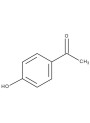
- Hydroxyacetophenone (1.00%): An antioxidant that helps maintain the quality of the ingredients and can also act as a preservative booster. 1% is at the maximum recommended level for this ingredient.
Recommendations for Adjustments
Based on the analysis, the formulation is well-designed with a good combination of ingredients for its intended purpose. However, there are a couple of points to consider for potential adjustments:
- Disodium EDTA: It is highly recommended to increase the concentration of Disodium EDTA from 0.04% to 0.1-0.2%. This will significantly improve the stability of the formula, especially the UV filters (like Avobenzone) and sensitive actives (like Activated Resorcinol), ensuring the product remains effective over time.
- Double Hyaluron Liquid: The current concentration of 2% provides some hydration. If a more pronounced hydrating effect is desired, particularly if the user finds their oily skin still experiences dehydration, you could consider increasing Double Hyaluron Liquid to 3-5%. However, for a lightweight lotion specifically for oily skin, 2% might be sufficient and increasing it could potentially affect the desired light texture. This adjustment depends on the specific hydration needs and texture preference.
The percentages of the UV filters appear to be balanced to achieve SPF 30, but confirming the exact SPF and PA values requires in-vivo testing according to regulatory standards. The concentrations of the active ingredients like Niacinamide, Kojic Acid Dipalmitate, Activated Resorcinol, GABA, and Ethyl Ferulate are within effective ranges for their stated benefits.
In summary, the formula is solid, but increasing the Disodium EDTA is strongly recommended for stability. Adjusting the Double Hyaluron Liquid is optional based on hydration needs.
Related Products Mentioned
Vitamin E (Tocopheryl Acetate)
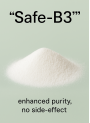
Safe-B3™ (Vitamin B3, Niacinamide)
Glycerin (USP/Food Grade)
Kojic Acid Dipalmitate
Disodium EDTA
Double Hyaluron Liquid
Homosalate
Titanium Dioxide 15nm Liquid (Gloss)
Mild Preserved Eco™ (Preservative-Free)

Milk Lotion Maker™