Anhydrous Vitamin C Effectiveness: How it Works Without pH Measurement
Question
Based on the understanding that Vitamin C typically works in an acidic environment and that Vitamin C Silicone formulations cannot have their pH measured, how can we determine if they will work effectively when applied to the face, similar to water-based Vitamin C formulations where pH can be measured?
Answer
Understanding Anhydrous Vitamin C Formulations
You've raised a good point about anhydrous Vitamin C formulas, like those in a silicone base, and how their effectiveness is determined without measuring pH, unlike water-based Vitamin C serums.
Here's an explanation:
Water-Based Vitamin C (L-Ascorbic Acid): L-Ascorbic Acid, the pure form of Vitamin C, is most effective in a water-based solution when the pH is low (typically between 2.0 and 3.5). This acidic environment helps the L-Ascorbic Acid penetrate the skin and also helps maintain its stability, as L-Ascorbic Acid is highly unstable and oxidizes quickly in water, especially at higher pH levels. Therefore, measuring and controlling the pH is crucial for the efficacy and stability of water-based L-Ascorbic Acid serums.
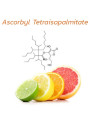
Anhydrous Vitamin C (e.g., in Silicone or Oil Bases): In anhydrous (water-free) formulations, Vitamin C, often in forms like L-Ascorbic Acid or oil-soluble derivatives such as Ascorbyl Tetraisopalmitate, is suspended or dissolved in a base like silicone or oil. The key to stability in these formulations is the absence of water. Without water, the oxidation process of Vitamin C is significantly slowed down, making the formula much more stable without needing a low pH.
How it Works on the Skin: When an anhydrous Vitamin C product is applied to the skin, the moisture present on the skin's surface (from sweat or transepidermal water loss) helps to dissolve or release the Vitamin C. The active Vitamin C is then absorbed into the skin. The effectiveness in this case depends on the inherent stability of the Vitamin C form used in the anhydrous base and its ability to be released and absorbed upon contact with skin moisture, rather than the pH of the product itself before application.
Measuring Effectiveness: Instead of measuring the product's pH, the effectiveness of anhydrous Vitamin C formulations is determined by the stability of the Vitamin C form in the base and its proven ability to penetrate the skin and deliver benefits (like antioxidant protection, collagen stimulation, and brightening) through clinical testing.
So, while pH is a critical factor for water-based L-Ascorbic Acid, it is not relevant for anhydrous formulations because their stability and mechanism of action on the skin are different. The effectiveness relies on the formulation's ability to keep the Vitamin C stable until it interacts with the skin's moisture.
Relevant products include L-Ascorbic Acid (Vitamin C (L-ascorbic acid) (Fine)) which is used in water-based formulas requiring low pH, and oil-soluble forms like Ascorbyl Tetraisopalmitate (Perfect-C™) which offer high stability in anhydrous systems.