Anti-Aging Serum Formulation Analysis and Improvement
Asked by: chalermlap
On: February 17, 2014
Product Type:
Cosmetics
Answered
Question
Analyze the following anti-aging serum formulation and provide feedback and suggestions for improvement, considering the usage of Lactic Acid for pH adjustment and the potential addition of DMAE.
Answer
Serum Formulation Analysis
Your formulation includes several potent active ingredients known for their anti-aging benefits:
- Matrixyl 3000 (5%) and Argireline (5%): These are well-regarded peptides. Matrixyl 3000 helps stimulate collagen production and reduce wrinkles, while Argireline works to relax facial muscles, reducing expression lines, particularly around the eyes and forehead. The concentrations used are within the typical recommended ranges for these actives.
- Copper Peptide (3%): Known for its skin repair and regenerative properties, Copper Peptide can help improve skin texture, reduce scars, and support overall skin health. The concentration of 3% is at the higher end of the recommended usage rate for the 1000ppm solution, which should provide good efficacy. It's important to ensure the final pH of the formula is within the recommended range of 4.5-7.4 for Copper Peptide stability.
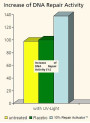
- Repair Activator (10%): This ingredient, likely a Bifida Ferment Lysate, is included at a good concentration to support the skin's natural DNA repair processes, helping to protect against damage from environmental factors like UV exposure. The recommended pH range for this active is 4-5.5.
- MOIST72™ (2%): This provides long-lasting hydration, which is essential for healthy, plump-looking skin. The concentration is within the recommended range for normal skin.
- Bio-Yeast Essence™ (1%): Based on the search results, this might be related to ingredients like Yeast Radiance™, which focuses on improving skin radiance. The concentration used is lower than the typical recommended rate for Yeast Radiance™ (3%), but it may still offer some benefits depending on the specific type of yeast essence used.
- Hyaluron standard (0.5%) and Hyaluron nano (0.5%): Using both standard and nano molecular weights of Hyaluronic Acid provides hydration at different levels of the skin. The total concentration of 1% Hyaluronic Acid is higher than the typical recommended range (0.05-0.5% total) for general hydration. While higher concentrations can provide intense surface hydration, it might also contribute to a sticky or tacky feel. Nano Hyaluronic Acid can also affect formula viscosity due to its ionic nature.
- Pro Polymer (0.3%): This is used as a gel maker or thickener. Given the total 1% Hyaluronic Acid content, especially the nano size which can reduce viscosity, 0.3% Pro Polymer might be too low to achieve a desired gel texture. You may need to increase the concentration of Pro Polymer to get the desired viscosity. Pro Polymer is electrolyte resistant, which is beneficial when formulating with ionic ingredients like peptides and hyaluronic acids.
- Phenoxyethanol (1%): This is a standard and effective preservative used at an appropriate concentration to ensure the stability and safety of the product.
Addressing Feedback and pH Adjustment
- Lactic Acid (0.1% of 1% solution): You correctly noted that the Lactic Acid is intended for pH adjustment. The amount needed for pH adjustment is very small and depends on the other ingredients. It is crucial to measure the final pH of your formulation and adjust it to the optimal range for the stability and efficacy of your active ingredients. Considering the pH requirements of Copper Peptide (4.5-7.4), Repair Activator (4-5.5), Argireline (3.5-6.5), MOIST72 (4-8), and Yeast Radiance (4.0-6.5), an ideal target pH range for this serum would be approximately 4.5 to 5.5. Lactic Acid can be used to lower the pH if it is too high.
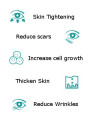
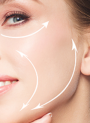
- DMAE: The suggestion to add DMAE (Dimethylaminoethanol) is excellent for enhancing the lifting and firming benefits of the serum. DMAE is known to help tighten the skin and reduce sagging. If you decide to add DMAE (SkinTight MD™) Liquid, a starting concentration of around 3% is recommended. While it can be used up to 10%, concentrations above 5% may cause skin irritation or a sticky feeling, especially on sensitive skin. Add DMAE in the final phase of mixing, ensuring the temperature is below 40°C.
Overall Assessment and Suggestions
Your formulation is a powerful blend of anti-aging ingredients. To optimize it, consider the following:
- Adjust pH: Absolutely essential to measure and adjust the final pH to the 4.5-5.5 range for optimal stability and efficacy of the actives.
- Adjust Thickener: If the desired gel consistency is not achieved, increase the concentration of Pro Polymer gradually.
- Consider Hyaluron Concentration: The 1% total Hyaluron is high; assess the final texture. If it's too sticky, you might consider slightly reducing the total Hyaluron concentration or adjusting the ratio of standard to nano size.
- Adding DMAE: Incorporating DMAE at around 3% can significantly boost the lifting and firming effects.
This serum has the potential to be a very effective anti-aging product with these adjustments.
Related Products Mentioned
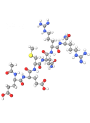
Acetyl Hexapeptide-8 (eq Argireline)
Cosmetics
Pal-GHK, Pal-GQPR (eq Matrixyl 3000)
Cosmetics
Phenoxyethanol (Extra Pure)
Cosmetics
Pro Polymer™ (Gel Maker)
Cosmetics

MOIST72™
Cosmetics
DMAE (SkinTight MD™) Liquid
Cosmetics

Yeast Radiance™
Cosmetics