Anti-Aging Serum Formulation and Rose Water Substitution
Question
I am creating a serum focused on anti-aging for mature, combination skin (leaning towards dry and thin). I prefer a lightweight, fast-absorbing texture without oiliness. I plan to make 100ml using the following formula:
- Distilled Water (Can I use Rose Water instead?) - 10ml
- GlucoBright (4%) - 4ml
- Niacinamide B3 (5%) - 5ml
- Vitamin B5 ExtraLite (2%) - 2ml
- WaterSoft (3%) - 3ml
- Calendula (5%) - 5ml
- WaterLock (2%) - 2ml
- Pep-Coll (3%) - 3ml
- Pitera (Galactomyces) - 50ml
- Repair Activator (15%) - 15ml
- PaeoniaPreserve (1%) - 1ml
My planned mixing steps are:
- Dissolve (2) and (3) in (1) Distilled Water.
- Add (4), (5), (6), (7) and mix.
- Add (8), (9) and mix.
- Add (10) and mix.
- Add (11) and mix well.
Please review my formula and mixing steps. Also, advise if Rose Water can be used instead of distilled water.
Answer
Thank you for sharing your serum formulation and mixing instructions.
Based on the ingredients and their typical properties, this formula appears suitable for an anti-aging serum targeting mature, combination (dry/thin) skin that prefers a lightweight, fast-absorbing texture without oiliness.
Key ingredients like Niacinamide, Peptides (Pep-Coll), Fermented ingredients (Pitera, Repair Activator), Vitamin B5, and Calendula Extract are well-known for their anti-aging, hydrating, soothing, and skin barrier support benefits, which align with your goals.
Regarding the mixing steps you provided:
- Dissolving N-Acetyl Glucosamine and Niacinamide in distilled water first is the correct approach as they are powders.
- Adding the other water-soluble/dispersible ingredients (Vitamin B5, WaterSoft, Calendula, WaterLock) next is also appropriate.
- Incorporating the main base ingredients (Pep-Coll, Pitera, Repair Activator) afterwards and finally the preservative (PaeoniaPreserve) follows a logical order for creating a homogeneous serum.
Your mixing steps are generally correct and should result in a well-mixed product.
Regarding your question about replacing distilled water with Rose Water:
While Rose Water can offer some benefits and a pleasant scent, it is generally recommended to use distilled water as the primary solvent in cosmetic formulations, especially when working with sensitive active ingredients like peptides and fermentation products. Rose Water contains various natural compounds that could potentially affect the stability, clarity, or efficacy of other ingredients in your formula. For optimal stability and compatibility, sticking with distilled water for the initial dissolution step is advisable. If you wish to incorporate a floral water, it might be better used in a different type of product or at a lower concentration, and compatibility testing would be crucial.
Finally, it's always a good practice to check the pH of your finished serum to ensure it is within a suitable range for skin application and ingredient stability (typically between pH 5.0-6.0, but check specific ingredient guidelines if available).
Overall, this is a well-thought-out formula.
Related Products Mentioned
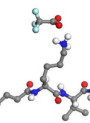
Pep®-Coll (Palmitoyl tripeptide-5)
Safe-B3™ (Vitamin B3, Niacinamide)
GlucoBright™ (Acetyl Glucosamine)

Calendula Extract (Water Soluble)
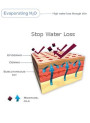
WaterLock™ (Polyquaternium-51)

Panthenol (Vitamin B5) ExtraLite™

WaterSoft™ (PEG/PPG-17/6 copolymer)