Anti-Aging Serum Formulation: Key Ingredients, Thai Extracts, and Lifting Effects
Question
Anti-Aging Serum Formulation Inquiry
I am interested in creating an anti-aging serum based on an expensive cream I currently use. I have several questions regarding the ingredients and formulation process:
- Regarding ingredient naming: If brands use different marketing names for known substances or introduce new, lesser-known extracts, how can I verify the actual source and composition of these extracts (e.g., derived from specific plants or flowers)?
- Are there any recommended Thai extracts that offer comparable efficacy to international ingredients for anti-aging? What is the general effectiveness of Thai extracts compared to foreign ones?
- What are the key active ingredients that provide lifting and firming effects, specifically those that help with facial contouring, reducing sagging, and achieving a 'V-shape' appearance? How do their effects compare to medical procedures like Laser treatments or Botox injections?
- If I want to formulate these ingredients into a serum, what specific ingredients should I use?
I am particularly interested in incorporating the following ingredients, which were identified as key actives in the original cream, along with others:
Ceramide 3 (Ceramide NP)orCera-Flux V (Water Dispersible Ceramide Complex)Methyl Glucoside Phosphate Proline Lysine Copper Complex(similar toCopper Peptide (GHK-Cu, Copper Tripeptide-1))Retinyl Palmitate(Vitamin A Palmitate (retinyl palmitate, 1MIU/g)) at 0.5%-1.0%Rose Hip Oil (Extra Virgin)Safe-B3™ (Vitamin B3, Niacinamide)at 1-10% (specifically 5%)- Lifting/firming ingredients like
Lift-Now™,Marine Plankton (Lifting, Tightening), orFlashTenser™ (Quick Skin Tenser)
Please provide guidance on selecting and formulating these ingredients into a stable and effective serum.
Answer
Recreating Your Anti-Aging Cream
It's understandable that you want to recreate a favorite cream, especially when it's expensive! The original cream you listed has a very long ingredient list. As discussed previously, many ingredients, especially various plant extracts, might be included for marketing purposes rather than significant proven efficacy. Focusing on the key active ingredients is a practical approach to creating an effective formula without needing every single component from the original.
Key Active Ingredients and Usage Rates
Based on the analysis, the key active ingredients with proven benefits for anti-aging in your original cream are:
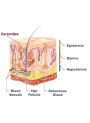
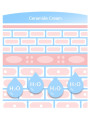
- Ceramide 3 (Ceramide NP): Ceramides are essential for skin barrier function and hydration, which helps reduce the appearance of wrinkles. You can use Ceramide 3 (Ceramide NP) powder at a recommended rate of 0.1%. Alternatively, a complex like Cera-Flux V (Water Dispersible Ceramide Complex) can be used at a recommended rate of 5%.
- Methyl Glucoside Phosphate Proline Lysine Copper Complex: This ingredient is similar to Copper Peptide (GHK-Cu, Copper Tripeptide-1), known for its wound healing and collagen-stimulating properties, which can help reduce wrinkles and improve skin texture. Copper Peptide (GHK-Cu, Copper Tripeptide-1) solution (1000ppm) is typically used at a rate of 1-3%.
- Retinyl Palmitate: This is a form of Vitamin A that helps accelerate skin cell turnover, reduce wrinkles, and can help with acne. Vitamin A Palmitate (retinyl palmitate, 1MIU/g) is recommended at a usage rate of 0.5%-1.0%. Be cautious, as using more than 1% can cause irritation.
These three ingredients form a strong base for an anti-aging cream focused on barrier repair, collagen support, and cell renewal.
Adding Rosehip Oil and Vitamin B3
Yes, you can definitely add Rose Hip Oil (Extra Virgin) and Safe-B3™ (Vitamin B3, Niacinamide) to your formula. Both offer excellent benefits:
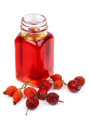
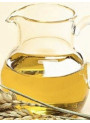
- Rose Hip Oil (Extra Virgin): Known for its moisturizing, skin-repairing, and scar-reducing properties due to its fatty acid content. It can be used at a rate of 1-100% in the oil phase of your formula.
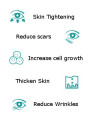
- Safe-B3™ (Vitamin B3, Niacinamide): A versatile ingredient that helps reduce wrinkles, hyperpigmentation, redness, and oiliness, while strengthening the skin barrier. Safe-B3™ (Vitamin B3, Niacinamide) has high purity and can be used at a rate of 1-10%, with 5% being a common recommended rate for various benefits.
Verifying Plant Extracts and Thai Extracts
Verifying the exact source and specific benefits of less common plant extracts can be challenging. As mentioned, some might be used more for marketing stories than proven efficacy. Focusing on ingredients with strong scientific backing, like the key actives discussed, is a more reliable approach for achieving desired results. For Thai extracts, the principle is the same: look for extracts with scientific evidence of efficacy for your specific skin concerns, regardless of their origin.
Lifting and Firming Ingredients
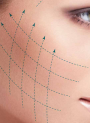
Ingredients that help with skin lifting and firming often work by creating a temporary tightening film on the skin or by supporting the skin's underlying structure over time. Some examples include:
- Lift-Now™: Provides immediate skin tightening results.
- Marine Plankton (Lifting, Tightening): Also offers an immediate tightening effect.
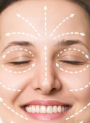
- FlashTenser™ (Quick Skin Tenser): Another option for instant skin tightening.
While these ingredients can provide noticeable improvements in firmness and the appearance of a lifted look, especially temporary ones, they generally cannot replicate the dramatic and long-lasting results achieved through medical procedures like laser treatments (which stimulate deep collagen remodeling) or Botox injections (which paralyze muscles causing dynamic wrinkles).
Serum Formulation
A serum is typically a lighter formulation compared to a cream, often water-based or a light oil blend, designed to deliver a high concentration of active ingredients efficiently into the skin. To create a serum, you would select your desired active ingredients (such as Vitamin B3, Copper Peptide, Vitamin A Palmitate, and potentially Rose Hip Oil in an oil-based serum or emulsion serum) and combine them with a suitable base (like water, humectants, light oils, and emulsifiers if needed) and necessary stabilizers and preservatives. The specific ingredients and their percentages would depend on the type of serum (water-based, oil-based, emulsion) and the target benefits.
Remember to research appropriate base ingredients, emulsifiers (for creams or emulsion serums), thickeners, stabilizers, and preservatives to create a stable and safe product. Always follow recommended usage rates for all ingredients.
Related Products Mentioned
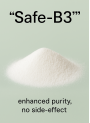
Safe-B3™ (Vitamin B3, Niacinamide)
Lift-Now™

Marine Plankton (Lifting, Tightening)
FlashTenser™ (Quick Skin Tenser)