Anti-Aging Serum Formulations: Ingredients, Mixing, pH, and Stinging
Question
I have questions regarding two anti-aging serum formulations for age 40+.
Formula 1:
- Hyaluronic Standard Molecule 0.5%
- Hyaluronic Nano Molecule 0.5%
- Glucosamine (N-acetyl-D) 4%
- Vitamin B3 (Niacinamide) 2%
- Argireline 10%
- Matrixyl 3000 8%
- Allantoin 0.5%
- Distilled Water 74.5%
- Regarding Formula 1, is 0.5% Allantoin soluble in 74.5% water? What is the correct percentage of Allantoin and water for proper solubility if the total formula is 100%?
- Can I add Leuphasyl 5% to Formula 1 and reduce the water to 69.5%? Would this combination (Argireline 10%, Matrixyl 3000 8%, Leuphasyl 5%) be too much peptide? Would adding Beta Glucan be beneficial for dry skin?
Formula 2:
- Hyaluronic Standard Molecule 0.5%
- Hyaluronic Nano Molecule 0.5%
- DMAE(4%) 10%
- Distilled Water 89%
- Regarding Formula 2, what is the correct mixing order for DMAE, water, and Hyaluronic Acids?
- Can I add Glucosamine (N-acetyl-D) 4%, Vitamin B3 (Niacinamide) 2%, and Allantoin 0.5% to Formula 2? If so, what would be the revised formula percentages and the correct mixing order for all ingredients?
- DMAE is acidic. How should I adjust the pH of Formula 2 after adding all ingredients? Is adding Triethanolamine 1% appropriate for pH adjustment, and will it affect efficacy or cause issues if the pH is non-optimal during mixing?
- Would the addition of Glucosamine, Vitamin B3, and Allantoin make Formula 2 more gentle, considering DMAE can cause irritation?
Current Formula and Stinging:
- Hyaluronic Standard Molecule 0.5%
- Hyaluronic Nano Molecule 0.5%
- Vitamin B3 (Niacinamide) 3%
- Argireline 5%
- Leuphasyl 5%
- Distilled Water 86%
- I am currently using this formula and experience a stinging sensation after about 10 days of use. What could be the cause? Could adding Glucosamine and Allantoin help reduce this stinging?
Efficacy Comparison:
- How do the expected efficacies of Formula 1 (with Argireline and Matrixyl 3000) and Formula 2 (with DMAE, Glucosamine, B3, Allantoin) compare for reducing wrinkles and providing anti-aging benefits?
Answer
Anti-Aging Formulas for Age 40+
You've asked detailed questions about two anti-aging formulas and your current experience. Let's break down each point.
Formula 1 Analysis
Your initial Formula 1:
- Hyaluronic Standard Molecule 0.5%
- Hyaluronic Nano Molecule 0.5%
- Glucosamine (N-acetyl-D) 4%
- Vitamin B3 (Niacinamide) 2%
- Argireline 10%
- Matrixyl 3000 8%
- Allantoin 0.5%
- Distilled Water 74.5%
Regarding the water content and Allantoin: Allantoin has limited solubility in water, about 0.5% at room temperature. As noted in the conversation, if the total water content is less than 100%, the maximum soluble amount of Allantoin is also proportionally less. Your revised formula with 0.41% Allantoin and 82.59% water is more appropriate for ensuring Allantoin dissolves properly.
Should you add Leuphasyl 5% and reduce water to 69.5%? Adding Leuphasyl 5% would increase the total peptide concentration, potentially enhancing the wrinkle-reducing effect, as Leuphasyl works similarly to Argireline by targeting muscle contractions. However, the staff member suggested trying the combination of Argireline and Matrixyl 3000 first, as they are often effective on their own. If you do add Leuphasyl, ensure the total percentage of ingredients doesn't exceed 100% and adjust the water accordingly. Using the revised base with 82.59% water, adding 5% Leuphasyl would mean reducing water to 77.59%, which should still allow 0.41% Allantoin to dissolve.
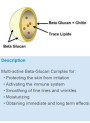
Adding Beta Glucan was suggested if your skin is dry. Beta Glucan helps strengthen the skin barrier and reduce irritation, which could be a beneficial addition, especially for mature skin.
Formula 2 Analysis
Your initial Formula 2:
- Hyaluronic Standard Molecule 0.5%
- Hyaluronic Nano Molecule 0.5%
- DMAE (4%) 10%
- Distilled Water 89%
Mixing order for Water and DMAE or Hyaluronic Acids: The staff member confirmed that you can mix DMAE with water before or after adding the Hyaluronic Acids. Generally, it's easiest to fully dissolve powders like Hyaluronic Acid in water first, then add liquids like DMAE.
Adding Glucosamine (N-acetyl-D), Vitamin B3, and Allantoin 0.5%: Yes, you can add these ingredients. Your proposed revised formula is:
- Hyaluronic Standard Molecule 0.5%
- Hyaluronic Nano Molecule 0.5%
- DMAE (4%) 10%
- Glucosamine (N-acetyl-D) 4%
- Vitamin B3 (Niacinamide) 2%
- Allantoin 0.41%
- Distilled Water 82.59%
- Triethanolamine (as needed for pH adjustment)
Mixing order for the added ingredients: Dissolve the Hyaluronic Acids in water first. Separately, dissolve Glucosamine, Vitamin B3, and Allantoin in a small amount of water (note Allantoin's solubility limit). Combine the water phases. Add DMAE in the final step when the mixture is below 40°C. Triethanolamine should be added at the end, if needed, to adjust the pH.
Adjusting pH: DMAE is acidic. After adding all ingredients, measure the pH. If it is below 4, you can use Triethanolamine to raise the pH to the optimal range of 4.5-5.5. The staff member mentioned that adding a small amount (around 1%) of Triethanolamine for pH adjustment will not significantly affect the overall formula concentration or efficacy, and short-term exposure to a non-optimal pH during mixing is not a major concern.
Gentleness: DMAE can be irritating, especially at higher concentrations (above 5%) or for sensitive skin. Adding Glucosamine and Allantoin can help improve skin barrier function and reduce irritation, making the formula more gentle. Vitamin B3 also helps strengthen the skin, but some individuals may experience temporary flushing.
Current Formula and Stinging
Your current formula:
- Hyaluronic Standard Molecule 0.5%
- Hyaluronic Nano Molecule 0.5%
- Vitamin B3 (Niacinamide) 3%
- Argireline 5%
- Leuphasyl 5%
- Distilled Water 86%
The stinging sensation experienced after about 10 days of use is unusual for this formula, as the ingredients themselves are not typically associated with causing skin thinning or irritation, unless Triethanolamine was added (which was not listed in your formula). The staff member suggested checking the pH of your finished product and evaluating your cleansing product. A pH that is too low or too high can cause irritation. Also, using a harsh cleanser can strip the skin's natural barrier, leading to increased sensitivity and potentially increased oiliness as the skin tries to compensate.
Adding Glucosamine and Allantoin to this formula could help soothe the skin and strengthen the barrier, potentially reducing irritation. However, it is highly recommended to first determine the cause of the stinging, either by checking the pH of your serum or considering if your cleanser is too harsh.
Efficacy Comparison
Both Formula 1 (with Argireline and Matrixyl 3000) and Formula 2 (with DMAE) are designed to target wrinkles and can be effective. Formula 1 focuses on peptides that address muscle contractions and collagen synthesis. Formula 2 utilizes DMAE for skin tightening effects. As the staff member noted, the effectiveness can vary from person to person, which is why DIY allows you to customize and find the best combination for your specific skin needs.
Remember to always check the pH of your final formulation to ensure it is within the recommended range for the ingredients and for skin compatibility (typically 4.5-5.5).
Related Products Mentioned
Acetyl Hexapeptide-8 (eq Argireline)
Pal-GHK, Pal-GQPR (eq Matrixyl 3000)
Safe-B3™ (Vitamin B3, Niacinamide)

Allantoin
GlucoBright™ (Acetyl Glucosamine)
Triethanolamine 99%
DMAE (SkinTight MD™) Liquid