Antioxidants in High Chemical Sunscreen Formulas
Question
I am formulating a sunscreen with a high percentage of chemical filters (around 35%). I want to add antioxidants to the formula to help protect the skin from Reactive Oxygen Species (ROS) generated by UV exposure, including UVB.
Previously, when trying to add antioxidants, I experienced clogged pores, potentially from ingredients like Vitamin E Acetate at higher concentrations.
Could you please suggest alternative antioxidants that are effective against UV-induced ROS and are suitable for this type of high chemical filter sunscreen formula, keeping in mind the issue of clogged pores?
Answer
Antioxidants for High Chemical Sunscreen Formulas
It's a good approach to include antioxidants in a sunscreen formula, especially one with a high percentage of chemical filters (around 35%), to help protect the skin from Reactive Oxygen Species (ROS) generated by UV exposure. As you noted and the staff confirmed, using a combination of antioxidants can provide more comprehensive protection than a single ingredient.
Given your experience with Vitamin E Acetate causing clogged pores at higher concentrations, and your interest in antioxidants effective against UV-induced ROS (including UVB), here are some options to consider, combining both water-soluble and oil-soluble types for broader coverage:
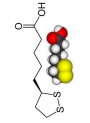
ActiveRelease™ ALA (Alpha-Lipoic Acid): This is a powerful water-soluble antioxidant that helps protect the skin from harmful UV rays and pollutants. A key benefit is its ability to regenerate other antioxidants like Vitamin C and E, boosting their effectiveness. It can also help reduce fine lines and wrinkles and improve skin texture. Recommended usage rate is typically 1-5%, but starting at a lower concentration like 1-2% is advisable, especially if you have sensitivity concerns.
SOD (Superoxide Dismutase): SOD is a highly potent antioxidant enzyme naturally found in the body. It acts as a primary defense against superoxide radicals, one of the most common types of ROS generated by UV exposure. Including SOD can provide a strong first line of defense. Recommended usage rate is 0.5-1%.
ChromaDetox™ (Dimethylmethoxy Chromanol): This is a potent oil-soluble antioxidant that offers triple protection against ROS, Reactive Nitrogen Species (RNS), and Reactive Carbonyl Species (RCS), including those generated by UV radiation. It is effective at very low concentrations, typically 0.05-0.1%. Its low usage rate and different chemical structure compared to Vitamin E Acetate might make it a suitable oil-soluble option for your formula.
Using a blend of water-soluble antioxidants like ActiveRelease™ ALA and SOD, potentially alongside an oil-soluble one like ChromaDetox™, can help neutralize a wider range of free radicals and reactive species generated by UV exposure. This multi-pronged approach aligns with the staff's recommendation for enhanced efficacy.
While you mentioned Hi-Quercetin® for UVA protection, the combination above can offer broad-spectrum antioxidant defense against ROS induced by both UVA and UVB, complementing the action of your sunscreen filters and potentially other antioxidants you choose to include.
Related Products Mentioned
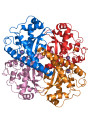
SOD (Superoxide dismutase) (50000IU/g)
ChromaDetox™ (Dimethylmethoxy Chromanol)