Antiperspirant Roll-On Gel Formulation Review
Question
Seeking feedback on a proposed formula for an antiperspirant roll-on gel (including ingredient percentages and mixing steps) to achieve a typical commercial gel texture, requesting advice on potential additions or removals.
Answer
Formulation Review for Antiperspirant Roll-On Gel
Thank you for sharing your formulation for an antiperspirant roll-on gel. Your goal is to achieve a typical gel texture similar to commercial roll-ons.
Let's review the components and process:
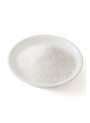
- Anti-Sweat™ (Aluminum Chlorohydrate) (18%): This is your active antiperspirant ingredient. The concentration is within the typical and FDA-approved range (up to 25%). The product description notes that for water-based formulas aiming for a dry feel, the water content should not exceed twice the Aluminum Chlorohydrate content. Your formula uses 36% DI Water, which is exactly twice the Anti-Sweat™ percentage, aligning with this recommendation.
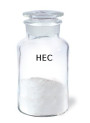
- Hydroxyethyl Cellulose (HEC) (4500mPa.s) (0.1%): HEC is a suitable non-ionic gelling agent for formulas containing electrolytes like Aluminum Chlorohydrate. However, a concentration of 0.1% is likely too low to create a stable gel texture suitable for a roll-on. Typical HEC concentrations for gel formulations are often higher (e.g., 0.5% to 3%) depending on the desired viscosity.
- PEG-40 Hydrogenated Castor Oil (6%): This is used as a solubilizer/emulsifier, likely to help incorporate the fragrance oil into the water/ethanol base. The method of mixing it with the fragrance oil first before adding to the alcohol/water phase is a standard approach.
- Last Fix™ (5%): This is a fragrance fixative. The product description recommends a usage rate of 3-5% for gel formulas, so your 5% is at the upper limit. It also notes that Last Fix™ helps with deodorizing, which is beneficial in this application. The recommended mixing method for use with alcohol involves slightly heating the Last Fix™ before adding it to the ethanol; your process doesn't mention heating, which might affect its performance.
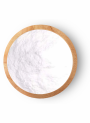
- Mild Preserved Eco™ (Preservative-Free) (1.5%): This acts as a preservative and also has deodorant properties. The usage rate of 1.5% is within the recommended range (1.0-1.5%) for deodorant formulas. The product description suggests adding it in the final step when the formula has a gel or cream texture, although adding it to the alcohol phase first might also work.
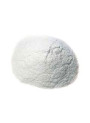
- Disodium EDTA (0.2%): This chelating agent helps improve stability by binding to metal ions in the water. The concentration of 0.2% is within the recommended range (0.1-0.2%), and adding it to the water phase first is correct.
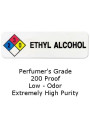
- ethanol (16.6%): Ethanol acts as a solvent and contributes to a quick-drying feel.
- Fragrance (16.6%): This percentage of fragrance is unusually high for a roll-on gel. High fragrance concentrations can potentially cause skin irritation and may affect the stability and clarity of the gel over time. A more typical fragrance level in cosmetic gels is often between 0.5% and 2%.
- Citric Acid: Used to adjust the pH to 4.7, which is suitable for the efficacy of Aluminum Chlorohydrate (optimal pH 4-6) and within the working range of HEC and Mild Preserved Eco™.
Recommendations for Improvement
To achieve a typical roll-on gel texture and improve the overall formulation, consider the following adjustments:
- Increase Hydroxyethyl Cellulose (HEC) Concentration: The current 0.1% is likely insufficient for a stable gel. Gradually increase the HEC concentration, perhaps starting with 0.5% or 1%, and observe the viscosity. You may need to go higher depending on the desired thickness.
- Ensure Proper HEC Hydration: Follow the recommended method for hydrating HEC by heating the water phase to around 70 degrees Celsius while stirring continuously when adding the HEC powder. This helps ensure the polymer fully swells and forms a proper gel.
- Reduce Fragrance Concentration: The fragrance level of 16.6% is very high. Consider significantly reducing the fragrance percentage to a more typical cosmetic level, such as 0.5% to 2%. This will reduce the risk of irritation and potential stability issues.
- Review Last Fix™ Usage: If you significantly reduce the fragrance level, you might also consider reducing the Last Fix™ percentage, keeping it within the 3-5% range for gel formulas. Also, try incorporating the heating step for Last Fix™ when mixing with ethanol as suggested in its product description to potentially improve its performance.
- Consider Preservative Addition Point: While adding Mild Preserved Eco™ to the alcohol phase might work, the product description suggests adding it in the final step once the gel texture has formed. You could try adding it after the water and fragrance phases are combined and the gel has thickened.
By increasing the HEC concentration and ensuring proper hydration, you should be able to achieve a more stable and viscous gel texture suitable for a roll-on. Reducing the fragrance level is also important for safety and stability.
Related Products Mentioned
Disodium EDTA
Mild Preserved Eco™ (Preservative-Free)
Hydroxyethyl Cellulose (HEC) (4500mPa.s)
Last Fix ™ (long lasting fragrance)