Azelaic Acid Use and Sun Exposure

Asked by: sincere9955 On: December 22, 2015 Product Type: Cosmetics Answered

Question

Can Azelaic Acid be used during the day, or must it only be used at night due to its exfoliating properties and increased skin sensitivity to sun exposure?

Answer

Hello,

We would like to provide more details regarding Azelaic Acid and its use with sun exposure.

Azelaic Acid has exfoliating properties, which can make the skin more sensitive to sunlight.

Therefore, avoiding direct sunlight and using sunscreen products is extremely important, regardless of whether you are using Azelaic Acid or other exfoliating ingredients.

Using Azelaic Acid at night is a popular method to reduce the risk from sun exposure during the day. However, if you wish to use it during the day, it is possible, provided that you apply effective sunscreen and avoid intense sun exposure.

In summary, it does not mean that it must only be used at night, but the most important thing is to adequately protect the skin from sunlight.

Answer Update
Updated Review: May 2026

This section was added after reviewing the original answer against current product availability and formulation knowledge at the stated point in time.

As of May 17, 2026, it is important to distinguish between azelaic acid derivatives and classic AHA exfoliants regarding sun exposure:

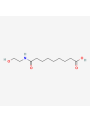
  • Potassium Azeloyl Diglycinate and Azelamide MEA are azelaic-acid derivatives, but they should not automatically be treated as AHA-type exfoliating acids.
  • They are generally used more as brightening, oil-control, soothing, or blemish-care ingredients rather than as strong peeling agents.
  • They are not generally considered to significantly increase photosensitivity in the same way as classic AHAs such as glycolic acid or lactic acid.
  • Sunscreen is still recommended during daytime use, but this is mainly good skin-care practice and important for preventing dark spots from worsening, not because these derivatives are proven to make skin highly sun-sensitive.
  • For dark-spot, melasma, acne-mark, and uneven-tone products, sun protection is essential for visible results because UV exposure can worsen pigmentation.

Formula & Safety Checks:

  • Check whether the actual product contains AHAs, BHAs, retinoids, benzoyl peroxide, peeling agents, high free-acid azelaic acid, or low-pH exfoliating systems; those would change the sun-exposure advice.
  • Confirm the actual INCI and active level: Potassium Azeloyl Diglycinate is not the same material as free azelaic acid, and Azelamide MEA is also a derivative rather than free azelaic acid.
  • If irritation, stinging, redness, or peeling occurs, reduce frequency or stop use and repair the skin barrier before continuing.

References:

  • DermNet NZ, 'Azelaic acid' — describes azelaic acid as keratolytic/comedolytic but states it does not result in photosensitivity.
  • DailyMed, 'Azelaic Acid Gel 15%' — reports no phototoxicity or photoallergenicity in human dermal safety studies.
  • Cetiner S. et al., 'Phototoxic effects of topical azelaic acid, benzoyl peroxide and adapalene in healthy subjects,' PubMed PMID: 15319156 — reported no enhancing effect on UVB erythema/sunburn risk.
  • Maramaldi G. and Esposito M.A., 'Potassium Azeloyl Diglycinate: A Multifunctional Skin Lightener,' Cosmetics & Toiletries, 2002.