Baking with Choline and Omega Fatty Acids: Heat Stability
Question
What is the maximum baking temperature for a dessert containing Choline and Omega-3,6,9 (from Flaxseed Oil) to ensure the nutrients are not degraded by heat?
Answer
Baking with Choline and Omega Fatty Acids
When baking desserts with ingredients like Choline Chloride and Flaxseed Oil (which is rich in Omega-3, 6, and 9 fatty acids), it's important to consider the heat sensitivity of these nutrients.
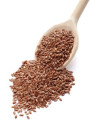
- Omega Fatty Acids (from Flaxseed Oil): The beneficial Omega fatty acids, particularly the polyunsaturated types found in Flaxseed Oil, are highly sensitive to heat. Baking temperatures typically cause these delicate fats to degrade and oxidize significantly. This means that most of the Omega-3, 6, and 9 benefits from the Flaxseed Oil will likely be lost during the baking process.
- Choline Chloride: Choline is more heat-stable than Omega fatty acids, but prolonged exposure to high baking temperatures can still lead to some degradation.
To preserve the nutritional value of both Choline and the Omega fatty acids from Flaxseed Oil, it is generally recommended to add them after the baking process is complete and the dessert has cooled down. Incorporating them into a frosting, glaze, or a filling added after baking would be much more effective for nutrient preservation than mixing them into the batter before baking.
If you must add them before baking, using the lowest possible temperature for the shortest duration might minimize loss, but significant degradation of the Omega fatty acids is still expected at typical baking temperatures (usually above 150°C or 300°F). There isn't a specific temperature threshold where all vitamins/nutrients are guaranteed to survive baking, as it depends on temperature, time, and the specific food matrix.
Therefore, for maximum nutrient retention, add Flaxseed Oil and Choline Chloride after baking.