Bakuchiol Formulation: Mixing, Stability, and Emulsifier Compatibility
Question
I am developing an oil-in-water (O/W) emulsion and have several questions regarding ingredient incorporation and stability:
Bakuchiol and Dimethyl Isosorbide (DMI) Mixing:
- Since
Bakuchiolis oil-soluble and my oil phase primarily consists ofCaprylic/Capric Triglycerideand/orLipidSoft Lite, how shouldDimethyl Isosorbide (DMI)be incorporated? - Can
DMIbe dissolved in the water phase, or should it be exclusively mixed with the oil phase components?
- Since
Bakuchiol Compatibility with Metal Ions and Other Ingredients:
- My formula includes
Bakuchiol, which is sensitive to metal ions. - Are
Citric Acid/Sodium Citrate pH buffer,Sodium Benzoate(or other metal ion-containing preservatives likeZinc-Ben), andColem TTcompatible withBakuchiol? - Will any of these ingredients negatively affect the efficacy of
Bakuchiol?
- My formula includes
Emulsifier and Emulsion Stability:
- Can
LecithinGelbe used as the primary emulsifier withPhosphoMaxas a co-emulsifier? - What ingredients would you recommend to enhance the stability of
LecithinGelemulsions and prevent phase separation, especially considering the sensitivity of other ingredients (likeBakuchiol) to metal ions?
- Can
Answer
Formulation Guidance for Bakuchiol and Emulsions
We appreciate your detailed questions regarding your formulation. Here's our expert guidance:
1. Mixing Bakuchiol and Dimethyl Isosorbide (DMI) in an Oil-in-Water (O/W) Emulsion
Bakuchiol, such as our Pure-Bakuchiol™ and Bakuchiol-Eco™, is oil-soluble and should be dissolved in the oil phase of your formulation. This includes oil solvents like Caprylic/Capric Triglyceride and LipidSoft™ Lite.
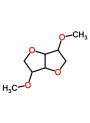
Dimethyl Isosorbide (DMI) is an excellent penetration enhancer and solvent. While it can dissolve in both water and oil-soluble components, for optimal efficiency with Bakuchiol, it is highly recommended to incorporate DMI directly into your oil phase along with Bakuchiol and your chosen oil solvents (Caprylic/Capric Triglyceride and/or LipidSoft™ Lite). This ensures DMI can effectively carry the oil-soluble Bakuchiol into the skin. When mixing, avoid excessive heat; if heat is necessary, keep it below 75°C for the shortest possible duration.
- Note:* If you are using HyaCap™ Bakuchiol/Rose Hip, which is an encapsulated form, it can be dispersed in either water or oil, but it is not electrolyte resistant, so avoid electrolytes in that specific formulation.
2. Compatibility of Bakuchiol with Metal Ions and Preservatives
Bakuchiol is indeed sensitive to metal ions, which can affect its stability. To counteract this, it is crucial to include a chelating agent in your formula. We recommend using a chelating agent like Colem TT (Sodium Diethylenetriamine Pentamethylene Phosphonate/Sodium Gluceptate). Colem TT is designed to capture metal ions and help prevent product discoloration, separation, and odor distortion, thereby extending the product's shelf life and maintaining the stability of sensitive ingredients like Bakuchiol.
Regarding other ingredients:
- Citric Acid and Sodium Citrate: These are used for pH adjustment and buffering. They do not inherently introduce problematic metal ions. The critical factor here is maintaining the overall pH of your water-containing formula between 3.5-6.5 (ideally) to prevent Bakuchiol deterioration.
- Sodium Benzoate: This preservative itself is generally compatible. However, if you are using a product like Zinc-Ben (which contains Zinc Acetate), the zinc ions could potentially interact with Bakuchiol if not adequately chelated. Our NaturePreserve™ Ultra also contains Sodium Benzoate and is a good preservative option.
Therefore, incorporating Colem TT is highly beneficial for protecting Bakuchiol from metal ion interference.
3. Using LecithinGel™ with PhosphoMax™ as a Co-Emulsifier and Stability Enhancement
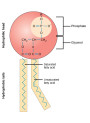
Yes, you can absolutely use LecithinGel™ as your primary emulsifier and PhosphoMax™ as a co-emulsifier. Both are excellent choices for creating stable emulsions. LecithinGel™ is a versatile water-oil binder, and PhosphoMax™, a natural phospholipid emulsifier, can further enhance emulsion stability and improve the penetration of active ingredients into the skin.
To further increase the stability of your LecithinGel™ emulsion and protect metal-ion sensitive ingredients like Bakuchiol, consider the following:
- Chelating Agents: As mentioned, incorporating Colem TT is vital to sequester any metal ions that could destabilize the emulsion or degrade Bakuchiol.
- Thickeners/Stabilizers: While PhosphoMax™ can contribute to stability, adding a gum like Xanthan Gum (typically at least 0.3%) is highly recommended. Xanthan Gum is a common and effective thickener that helps stabilize emulsions without introducing metal ion concerns. It works synergistically with emulsifiers to prevent separation.
- pH Control: Maintain the pH of your final product within the optimal range for Bakuchiol (3.5-6.5) using Citric Acid and Sodium Citrate as needed. Consistent pH is crucial for emulsion and ingredient stability.
- Proper Mixing Techniques: Ensure thorough and appropriate mixing during the emulsification process. Avoid excessive shear or aeration that could compromise emulsion integrity.
We hope this comprehensive guidance helps you refine your formulation. You can find links to all mentioned products below this answer.
Related Products Mentioned

Dimethyl Isosorbide (DMI)

Colem TT

Bakuchiol-Eco ™ (Natural Retinol)

LecithinGel™