Balm Formulation Review, Preservatives, and Antioxidants
Question
Review of a balm/stick formulation including Rice Bran Wax, Cocoa Butter, oils, and extracts, with specific questions about selecting between Mild Preserved Eco and NaturePreserve preservatives, the necessity of adding TINOGARD TT antioxidant, and recommendations for overall formula adjustments (ingredient amounts, additions, removals) for texture and stability.
Answer
Formulation Review and Recommendations
Thank you for sharing your formulation. This looks like a balm or solid product due to the high wax and butter content. Here are some points and recommendations regarding your questions:
Ingredient Review
- Rice Bran Wax (9g) and Cocoa Butter (6g): These provide structure and hardness. The combined percentage (around 45%) will result in a firm texture. Adjust these amounts if you desire a softer product.
- PHYTOSTERYL / OCTYLDODECYL LAUROYL GLUTAMATE (1g): This is an emollient that can improve skin feel.
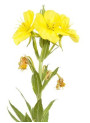
- Jojoba Oil (7g) and Evening Primrose Oil (8g): These are beneficial oils providing emollience and skin conditioning properties.
- Oil-based herbal extract (1g): This adds specific properties depending on the extract. 1g is within the suggested range.
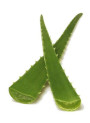
- Aloe Barbadensis Leaf Extract (1g): Aloe Vera extract is typically water-soluble. For an oil/wax-based formula, you would need an oil-soluble version or an infused oil to ensure it incorporates properly without separation. Please confirm the type you are using.
Preservatives: Mild Preserved Eco™ vs. NaturePreserve™ (Gluconolactone)
You have included Mild Preserved Eco™ and asked about NaturePreserve™ (Gluconolactone).
- Mild Preserved Eco™: This is a broad-spectrum preservative blend often used at 1-2%. Your current amount of 0.5g (approx. 1.5%) is within this range and should provide adequate preservation for this type of formula, especially if it is anhydrous (contains no water).
- NaturePreserve™ (Gluconolactone): Gluconolactone is a mild acid and chelating agent often used as a preservative booster or in specific systems. It is less effective as a standalone broad-spectrum preservative compared to Mild Preserved Eco™.
Recommendation: It is generally recommended to choose one complete preservative system rather than combining different types unless specifically formulated to work together. Mild Preserved Eco™ (ID 1001) is likely sufficient on its own for this formula. You can use it at 1-1.5% of the total formulation weight. There is no need to add NaturePreserve™ (ID 520) if you are using Mild Preserved Eco™.
Antioxidant: TINOGARD TT
You asked if TINOGARD TT is needed.
- TINOGARD TT (equivalent to Protec™ UV): This is an antioxidant and UV absorber that helps protect the product itself from degradation, such as rancidity of oils and color changes caused by light and heat.
Recommendation: Given the high content of natural oils and butters in your formula, adding an antioxidant like TINOGARD TT (ID 1333) is highly recommended. It will significantly extend the shelf life and stability of your product by preventing oxidation. A typical usage rate is 0.05-0.1% of the total formulation weight.
Suggested Adjustments
Based on your formula and questions:
- Preservative: Remove NaturePreserve™ (ID 520) if you planned to add it. Continue using Mild Preserved Eco™ (ID 1001) at 1-1.5% of the total formula weight.
- Antioxidant: Add TINOGARD TT (ID 1333) or an equivalent antioxidant at 0.05-0.1% of the total formula weight.
- Texture: If the resulting balm is too hard, reduce the amount of Rice Bran Wax (ID 1327) and Cocoa Butter (ID 64044) and increase the amount of liquid oils (Jojoba Oil ID 163, Evening Primrose Oil ID 125).
- Aloe Vera Extract: Ensure the Aloe Barbadensis Leaf Extract (ID 76) you are using is compatible with oil-based formulas (e.g., oil-soluble or infused oil). If it's a standard water-soluble extract, it may not disperse correctly.
Remember to calculate the percentages based on your desired total batch size (e.g., 100g) for easier scaling.
Related Products Mentioned
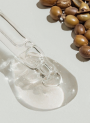
Jojoba Oil (Clear - Deodorized)

Mild Preserved Eco™ (Preservative-Free)