Basic Formulation Guide for Beginner R&D: Gels, Creams, and Essences
Question
I would like to gain knowledge about basic cosmetic formulation. Where should a beginner R&D start? Do you have any recommendations? I am interested in:
- Gels
- Creams
- "Nam-tob" (Essences)
- Skincare
Answer
For a beginner R&D starting with skincare formulations like gels, creams, and essences (Nam-tob), the best approach is to start with Cold Process formulations. This method does not require heating, making it easier to control and less prone to errors.
1. Basic Structure of a Formula
Every skincare formula generally consists of:
- Water Phase: Purified water and water-soluble ingredients (Glycerin, Panthenol).
- Oil Phase: Emollients or natural oils (for creams and lotions).
- Emulsifier / Thickener: The "glue" that holds water and oil together or creates the texture.
- Active Ingredients: Ingredients that provide specific benefits (Whitening, Anti-aging).
- Preservative: Essential to prevent microbial growth.
2. Starting with Gels
A gel is primarily water thickened with a polymer.
- Recommended Ingredient: Pro Polymer™ or Sepimax Zen.
- How to start: Sprinkle the polymer into water and stir until a clear gel forms. Sepimax Zen is excellent if you plan to add acidic actives or electrolytes (like Vitamin C or certain extracts).
3. Starting with Creams (Cold Process)
Traditional creams require heating wax and oil, but beginners should start with "Easy Cream Makers."
- Recommended Ingredient: Satin Cream Maker™ or Easy Cream Maker™.
- How to start: Mix water and oil together, then add the cream maker and stir/whip. The mixture will turn into a cream instantly without heat. Satin Cream Maker™ provides a premium, silky skin feel.
4. Starting with "Nam-tob" (Essence/Serum)
These are lightweight, water-based products.
- Recommended Ingredient: Silky Serum Base or SepGEL 305.
- How to start: Use a very low percentage of a thickener to create a "watery" texture that still feels substantial. Silky Serum Base is designed to create a professional serum texture easily.
5. Essential Tips for Beginner R&Ds
- Measure by Weight: Always use a digital scale (0.01g or 0.1g precision). Never measure by drops or volume (ml).
- Keep a Lab Notebook: Record every version (V1, V2, V3) and note the changes in texture, scent, and skin feel.
- Check pH: Most skincare should have a pH between 5.0–6.0. Use pH strips or a meter.
- Stability Test: Leave your sample at room temperature and in a slightly warmer area (like near a window) for 2-4 weeks to see if it separates or changes color.
For a beginner, I recommend starting with Satin Cream Maker™ for creams and Pro Polymer™ for gels, as they are very forgiving and produce professional results.
Related Products Mentioned
Pro Polymer™ (Gel Maker)

Satin Cream Maker™
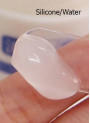
Silky Serum Base (Face/Eye)
Easy Cream Maker™
SepGEL 305