Basic Guidance for a 100g Cream for Oily/Acne-Prone Skin
Question
I would like to make a 100g cream for oily and acne-prone skin. Could you provide basic guidance on suitable active ingredients and their recommended usage percentages for this type of skin? What are the key considerations for formulating such a cream?
Answer
Basic Guidance for a 100g Cream for Oily/Acne-Prone Skin
Creating a complete cream formulation involves balancing various ingredients (water phase, oil phase, emulsifiers, thickeners, preservatives, actives, etc.), which can be complex for beginners. However, we can provide guidance on key active ingredients suitable for oily and acne-prone skin and their typical usage ranges for a 100g batch.
Here are some beneficial active ingredients and their recommended usage rates:
Salicylic Acid (BHA): This ingredient helps exfoliate the skin and unclog pores, making it effective for treating acne and blackheads. For a 100g cream, you would typically use 0.1 to 2 grams. Note that standard Salicylic Acid powder does not dissolve in water and requires a suitable solvent like Isopentyldiol, or you can use a water-soluble form like Complex Salicylic Acid or SalicSoft™.
Safe-B3™ (Vitamin B3, Niacinamide): Niacinamide is excellent for controlling excess oil production, reducing inflammation, minimizing redness, and strengthening the skin barrier. For a 100g cream, you can use 1 to 10 grams. The Safe-B3™ type has high purity and can be used up to 10% without causing flushing.
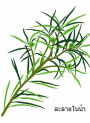
Tea Tree Oil (Water Soluble): Known for its antibacterial properties, Tea Tree Oil can help combat the bacteria contributing to acne. When using the water-soluble type in a facial cream, the recommended usage rate is typically up to 2 grams in a 100g batch to avoid irritation.
Centella Asiatica Extract (Madecassoside 90%): This extract helps reduce skin inflammation, soothe irritation, and promote healing, which is beneficial for acne-prone skin and reducing the appearance of acne marks. For a 100g cream, a typical usage rate is 0.1 to 2 grams.
Important Considerations for Formulation:
- Base Formula: You will need a base for your cream, consisting of a water phase, oil phase, and an emulsifier to combine them. The choice and ratio of these components will determine the cream's texture and stability.
- Preservation: A preservative is crucial to prevent microbial growth and ensure the safety and shelf life of your cream. This is a non-negotiable component.
- pH Adjustment: The final pH of your cream needs to be within a suitable range for skin application and for the active ingredients to be effective and stable (often slightly acidic, around pH 4.5-6.5).
- Solubility and Compatibility: Ensure all ingredients are compatible and can be properly incorporated into your chosen cream base.
Given the complexity, especially for a first-time formulator, starting with a pre-formulated cream base or a beginner-friendly kit might be easier. If formulating from scratch, carefully research each ingredient and follow reliable formulation guidelines.
Related Products Mentioned
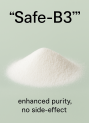
Safe-B3™ (Vitamin B3, Niacinamide)
Salicylic Acid (BHA, Pharma Grade)