Basic Lotion and Cream Formulation Guide
Asked by: sriyawan
On: November 22, 2013
Product Type:
Cosmetics
Answered
Question
Could you provide a basic guide on how to make lotion and cream, explaining the key differences between them and the essential components and steps involved?
Answer
Basic Lotion/Cream Formulation Guide
Making your own lotion or body cream is a rewarding process. The basic components are similar, with lotion typically having a lower oil percentage than cream, resulting in a lighter, more easily absorbed texture.
Here are the essential components needed for making a lotion or cream, along with examples of ingredients you can consider:
- Water Phase: The main liquid component, such as Distilled Water or various Floral Waters for added properties.
- Oil Phase: Various oils that help soften and moisturize the skin, forming a protective barrier. Popular oil examples include:
- Fractionated Coconut Oil: A fractionated form of coconut oil that is easily absorbed and non-greasy, leaving skin feeling soft and smooth.
- Mineral Oil Light: A light mineral oil that provides softness and smoothness without clogging pores. It is stable and has a long shelf life.
- Emulsifier: A substance that helps water and oil mix together to form a stable, uniform texture. This is crucial for creating the lotion or cream consistency. Easy-to-use emulsifier examples include:
- Milk Lotion Maker™: A liquid emulsifier suitable for oil-rich formulas, creating a milky, easy-to-spread lotion texture.
- Light Lotion Maker: An emulsifier that provides a light texture and can be used in cold process formulations. It's suitable for light lotions or sprays.
- Humectant: Ingredients that help draw moisture into the skin and retain it. A popular example is:
- MOIST24: A highly effective humectant that helps keep skin moisturized all day and improves the texture of the product.
- Preservative: An essential component that prevents the growth of microorganisms, bacteria, and fungi, which can contaminate the product. Using an appropriate preservative is vital for product safety and shelf life. Examples of commonly used preservatives include:
- Mild Preserved™ COS: A broad-spectrum, water-soluble preservative effective across a wide pH range, with no odor.
- NaturePreserve™ LB2: A natural-origin preservative effective against bacteria and fungi, particularly at lower pH levels.
Basic Steps (General Guide):
- Weigh the ingredients for the water phase and oil phase separately.
- Heat the oil phase (including oil-soluble emulsifiers) if the emulsifier requires heat.
- Heat the water phase (including water-soluble, heat-stable ingredients) to a similar temperature as the oil phase.
- Slowly pour the oil phase into the water phase (or vice versa, depending on the emulsifier type and technique) while stirring or mixing with sufficient speed to emulsify.
- Continue stirring or mixing until the mixture thickens and cools down.
- When the temperature drops below 40-45°C, add heat-sensitive ingredients such as humectants, extracts, fragrance, and preservatives.
- Stir again until fully combined, check the texture, and adjust the pH (if needed) before packaging.
Important Notes:
- The ratio of oil to emulsifier will affect the final consistency. For a lighter lotion, use a lower percentage of oil as advised by the staff (e.g., 40%) and select an emulsifier that yields a light texture.
- Maintaining cleanliness of equipment and workspace is crucial when making cosmetics to prevent microbial contamination.
- Always research each ingredient thoroughly before use, paying close attention to recommended usage rates and precautions.
I hope this information is helpful for you to start making your own lotion or cream! Feel free to ask if you have any further questions.
Related Products Mentioned
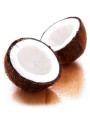
Fractionated Coconut Oil
Cosmetics

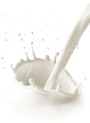
Milk Lotion Maker™
Cosmetics
MOIST24
Cosmetics
Light Lotion Maker
Cosmetics
NaturePreserve™ LB2
Cosmetics