Basic Niacinamide Gel Formulation for Combination Skin (Non-Sticky)
Question
I am a beginner looking to formulate a basic gel product with Niacinamide as the main active ingredient. I have combination skin and want the gel to be hydrating but not sticky. Could you provide a basic formulation structure and suggest suitable ingredients for a Niacinamide gel that is hydrating and non-sticky, suitable for combination skin? I would also like to know about incorporating ingredients for a non-sticky feel and the recommended pH range for Niacinamide stability.
Answer
Basic Niacinamide Gel Formulation for Combination Skin
To create a non-sticky, hydrating gel for combination skin using Niacinamide as the main active ingredient, here is a basic formulation structure based on your goal and the suggestions provided:
Water Phase: This will be the base of your gel.
- Water: The main component.
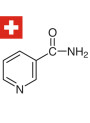
- Niacinamide (Vitamin B3): Include at a recommended rate of 1-10%. Products like Safe-B3, Safe-B3 (Switzerland), or Extreme-B3 are suitable options. Niacinamide helps reduce wrinkles, hyperpigmentation, adds moisture by stimulating collagen and ceramide production, strengthens the skin barrier, and can help reduce oiliness.
- Humectants: Consider adding other water-soluble moisturizing ingredients (humectants) to boost hydration without stickiness. Examples include Glycerin, Sodium PCA, or Hyaluronic Acid.
Gel Maker: To create the gel texture.
- Pro Polymer™ (Gel Maker): This is a good option for creating a gel texture in the water phase. Use according to the recommended usage rate (typically around 0.8% for a general gel texture), adjusting based on the desired viscosity. It's important to mix it properly in the water phase until a smooth gel forms.
Non-Sticky Feel Enhancers / Emollients: To improve the skin feel and reduce tackiness.
- For a less sticky feel, especially for combination skin, incorporating a lightweight emollient is helpful. Options mentioned include:
- LipidSoft™ Lite: A lightweight emollient that can replace silicones like Cyclomethicone, providing a soft, smooth feel without being oily or clogging pores.
- Isododecane: An ultra-lightweight emollient that evaporates quickly, leaving a non-sticky feel. It's soluble in silicones and hydrocarbons but not water, so it would need to be incorporated correctly depending on the overall formula structure (e.g., in an oil phase if creating an emulsion, or used in a water-free system, though a gel is water-based).
- Cyclopentasiloxane (Cyclomethicone): A lightweight silicone that evaporates quickly and provides a silky, non-sticky feel. Note that this is a silicone.
- Choose one or a combination of these or similar lightweight emollients to add to your formula to improve the texture and reduce stickiness.
- For a less sticky feel, especially for combination skin, incorporating a lightweight emollient is helpful. Options mentioned include:
Preservative: Essential for preventing microbial growth and extending shelf life.
- Choose a suitable preservative system for water-based formulations.
Basic Steps for a Simple Gel:
- Combine the water phase ingredients (Water, Niacinamide, Humectants) and mix until dissolved.
- Slowly add the Pro Polymer™ while stirring or blending until a smooth gel forms.
- Incorporate the chosen lightweight emollient(s) and mix well.
- Add the preservative and mix thoroughly.
- Adjust pH if necessary (Niacinamide is most stable between pH 4.0-7.0).
Remember to research the recommended usage rates and mixing instructions for each specific ingredient you choose from the MySkinRecipes website. Starting with a simple formula and gradually adding components is a good approach for beginners.
Related Products Mentioned
Safe-B3™ (Vitamin B3, Niacinamide)
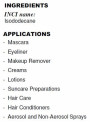
Isododecane (Germany)