BB/CC Cream Formulation: Physical Sunscreen, Thickeners, and Percentages
Question
1. If we want to make BB/CC cream using Titanium Dioxide and Zinc Oxide (still focusing on Physical sunscreen), what type should we choose and what quantity is needed to achieve an SPF of approximately spf50?
2. Can we use TaraGel™ and Silicone together to create a cream texture?
3. Could you provide the percentage ranges for making BB and CC creams?
Answer
Formulating BB/CC Cream with Physical Sunscreens and Thickeners
Here is information regarding your questions about formulating BB/CC creams:
1. Physical Sunscreen Selection and Usage for SPF 50
To achieve SPF 50 using only physical sunscreens like Titanium Dioxide and Zinc Oxide in a BB/CC cream, you will need to use treated or dispersed forms of these ingredients that are suitable for cosmetic and sunscreen applications. These forms help with dispersion, reduce whiteness, and improve feel.
- Titanium Dioxide: Suitable types include those with surface treatments for better dispersion in oil or silicone phases, such as Titanium Dioxide Nanosil or Titanium Dioxide 30nm SilkTouch™. These types are designed for use in make-up and sunscreen formulations.
- Zinc Oxide: For sunscreen efficacy and minimal whiteness, you should use a sunscreen-grade Zinc Oxide, preferably a dispersed or nano-particle type. Note that Zinc Oxide (Micronized) and Zinc Oxide (Ultra-Fine, Non-Yellow, Non-Coated, USP) are generally not suitable for sunscreen formulations requiring high dispersion and low whiteness.
Achieving SPF 50 with physical filters typically requires a high total concentration of both Titanium Dioxide and Zinc Oxide. The exact percentage depends heavily on the specific particle size, surface treatment, and the overall formulation. As a general guideline, the combined concentration of suitable Titanium Dioxide and Zinc Oxide for SPF 50 can range from 15% to over 25%, sometimes even higher, depending on the specific products used and the desired SPF/UVA protection balance. Always consult the supplier's data for specific usage rates and expected SPF values for their particular grade of physical filter.
2. Compatibility of TaraGel™ and Silicones
Yes, TaraGel™ (Caesalpinia Spinosa Gum) and silicones can generally be used together in a cream or emulsion formulation.
- TaraGel™ is a water-soluble gum that acts as a thickener and gellant for the water phase of an emulsion.
- Silicones, such as Silicone Gel (Ultra Clear, Super Silky) or Silicone Gel 9040, are typically oil-soluble or dispersible in the oil/silicone phase and contribute to the texture, spreadability, and feel of the cream.
In an emulsion (which is a mix of water and oil/silicone phases), you can use ingredients that function in each phase to build the desired texture and stability of the final product.
3. General Percentage Ranges for BB and CC Creams
BB and CC creams are complex formulations, and the exact percentages of ingredients vary widely based on the desired properties (coverage, SPF, skin benefits, texture). However, here are some general percentage ranges for common ingredient categories:
- Water Phase (Water, Hydrosols, Humectants): 40-70%
- Oil/Silicone Phase (Oils, Emollients, Silicones): 10-30%
- Emulsifiers: 2-10%
- Thickeners/Gellants: 0.1-5%
- Pigments (Titanium Dioxide, Iron Oxides): 5-15% (for color and some SPF)
- Sunscreen Filters (additional physical/chemical): Varies greatly (can add another 5-25%+ for high SPF physical filters)
- Active Ingredients (Vitamins, Extracts, etc.): 0.1-10%
- Powders (for texture, mattifying): 1-10%
- Preservatives: 0.5-1.5%
- Fragrance/Colorants: 0.1-1%
These ranges are approximate starting points. Developing a stable and effective BB/CC cream requires careful formulation, testing, and adjustment of ingredient percentages.
Related Products Mentioned
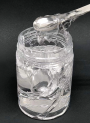
Silicone Gel (Ultra Clear, Super Silky)
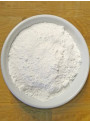
Zinc Oxide (Micronized)