BB Cream Ingredient Analysis: Safety, Pore Clogging, and Zinc Oxide for Acne
Question
I have a face BB cream with the following ingredients:
- Water
- Titanium Dioxide
- ETHYLHEXYL METHOXYCINNAMATE
- Cyclopentasiloxane
- cetyl ethylhexanoate
- Ethylhexyl Salicylate
- sorbitan sesquioleate
- Zinc Oxide
- Cetyl PEG/PPG-10/1 Dimethicone
- 4-methylbenzylidenecamphor
- Butylene Glycol
- Niacinamide
- glycerin
- Ethylhexylglycerin
- 1,2-hexanediol
- microcitrus australasica fruit extract
- oldenlandia diffusa extract
- convallaria majalis extract
- Phenoxyethanol
- Caprylic/capric triglyceride
- ozokerite
- Magnesium Stearate
- polyethylmethacrylate
- sorbitan olivate
- ci77492, ci77491, co77499
- sorbitan iso stearate
- Silica
- magnesium aluminum silicate
- capryhydroxamic acide
- Disodium EDTA
- Fragrance
- adenosine
- bht
I'm new to studying ingredients and would like to ask if this BB cream contains any dangerous or pore-clogging ingredients. I suspect that Zinc Oxide might help with acne – is this correct?
Answer
Ingredient Analysis for Your BB Cream
Let's analyze the ingredients in this BB cream to address your concerns about potential dangers and pore clogging.
Beneficial Ingredients
- Zinc Oxide: You are correct! Zinc Oxide is a physical sunscreen ingredient that offers broad-spectrum UV protection. It is also known for its anti-inflammatory and antibacterial properties, which can be beneficial for acne-prone skin and help soothe irritation.
- Titanium Dioxide: Another physical sunscreen ingredient providing UV protection.
- Niacinamide (Vitamin B3): This is a great ingredient with multiple benefits. It can help improve the skin barrier, reduce inflammation and redness, potentially help regulate oil production, and has antioxidant properties. It is often included in products for acne-prone skin.
- Silica & Magnesium Aluminum Silicate: You correctly identified Silica as an oil-absorbing ingredient. Magnesium Aluminum Silicate also functions as a thickener and can help absorb sebum, contributing to a matte finish.
- Glycerin, Butylene Glycol, 1,2-hexanediol: These are humectants that help attract and retain moisture in the skin.
- Caprylic/capric triglyceride: Generally considered a non-comedogenic emollient.
Potential for Pore Clogging (Comedogenicity)
Whether a product clogs your pores is highly individual and depends on the overall formulation and your skin type. However, some ingredients are more likely to be comedogenic for some people:
- Ingredients like cetyl ethylhexanoate, sorbitan sesquioleate, sorbitan olivate, sorbitan iso stearate, ozokerite, and potentially Magnesium Stearate could contribute to clogging for susceptible individuals.
- Silicones (Cyclopentasiloxane, Cetyl PEG/PPG-10/1 Dimethicone) are often perceived as comedogenic, but they typically form a breathable layer and are less likely to clog pores for most people compared to heavy oils or waxes, although individual reactions vary.
Potential for Irritation
- Fragrance: This is a common cause of skin irritation or allergic reactions, especially for sensitive skin.
- Chemical Sunscreens: ETHYLHEXYL METHOXYCINNAMATE, Ethylhexyl Salicylate, and 4-methylbenzylidenecamphor are chemical UV filters that can sometimes cause sensitivity or irritation in some individuals.
- Preservatives: Ingredients like Phenoxyethanol, Ethylhexylglycerin, 1,2-hexanediol, and capryhydroxamic acide are necessary to preserve the product but can occasionally cause irritation in very sensitive skin.
Conclusion
The BB cream contains several beneficial ingredients like Zinc Oxide and Niacinamide that can be good for the skin, including potentially helping with acne and oil control (Silica, Magnesium Aluminum Silicate). However, it also contains ingredients like Fragrance and certain chemical sunscreens that could potentially cause irritation or sensitivity. The potential for pore clogging exists with some of the emollient and wax-like ingredients, but this varies greatly from person to person.
As you are new to studying ingredients, analyzing lists like this is a great start! The best way to determine if this product is suitable for your skin and won't cause breakouts or irritation is to patch test it on a small area of your face before applying it widely.
Related Products Mentioned
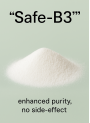
Safe-B3™ (Vitamin B3, Niacinamide)
Zinc Oxide 200nm EasyDisperse™
Zinc Oxide (Micronized)
MatteSilica 5™ (5 Micron)