BB Cream + Sunscreen Texture Issues: Stickiness and Settling into Pores
Question
I am formulating a BB cream + sunscreen for daytime use. My formula includes:
- Soy Isoflavones (specifically mentioned at 10%)
- Cyclomethicone
- Dimethicone
- Warp Cream Maker™
- LipidSoft (at 20%)
- BB cream pigment
Is this formula usable? I am concerned about the texture feeling sticky and the product settling into large pores. What could be causing these issues?
Answer
Formula Analysis and Recommendations
Overall Usability and Adding BB Cream
The staff confirmed that your formula is usable and that adding BB cream pigments will not cause negative effects on the formula itself.
Texture and Soy Isoflavones
The staff correctly identified that the concentration of Soy Isoflavones at 10% is quite high. Ingredients like Isoflaqua™ (Water Soluble Soy Isoflavones) are typically recommended at a usage rate of 0.1-1.0%. Using it at 10% is significantly above the recommended level and is the most likely reason for the potential stickiness ("เหนอะหนะผิวได้บ้าง") mentioned by the staff.
For a BB cream + sunscreen intended for daytime use, a lightweight texture is highly desirable, as recommended by the staff. The high level of Soy Isoflavones works against achieving this light feel.
BB Cream Settling in Pores
The concern about BB cream settling into large pores is directly related to the texture of the product. A formula that is too heavy, sticky, or doesn't spread smoothly is more likely to emphasize pores.
Your formula includes a high percentage of silicones (Cyclomethicone and Dimethicone) and uses Warp Cream Maker™, which is designed to create a quick-absorbing, dry, powder-like finish. These components generally help to provide a smooth feel and can minimize the appearance of pores.
However, the stickiness caused by the high concentration of Soy Isoflavones can counteract the benefits of the silicones and emulsifier, potentially leading to the BB cream settling in pores.
The type of LipidSoft used at 20% also plays a role in the final texture. Lighter options like LipidSoft™ Lite or LipidSoft™ C1215 would contribute to a less heavy feel compared to something like LipidSoft™ Palm, which can be more occlusive and potentially clog pores at higher concentrations, especially on acne-prone skin.
Recommendations
- Reduce Soy Isoflavones: To improve the texture and reduce stickiness, significantly lower the concentration of Soy Isoflavones. A usage rate between 0.1% and 1.0% (as recommended for Isoflaqua™) would still provide the ingredient's benefits without negatively impacting the texture.
- Consider LipidSoft Type: Ensure the LipidSoft used at 20% is a lightweight type suitable for BB/sunscreen formulas, such as LipidSoft™ Lite or LipidSoft™ C1215, to support a non-greasy feel and minimize pore issues.
- Texture is Key for Pores: A lightweight, non-sticky texture is crucial to prevent BB cream from settling into large pores. Adjusting the Soy Isoflavones level is the most important step to achieve this based on your current formula and the staff's feedback.
By reducing the Soy Isoflavones and ensuring appropriate LipidSoft selection, you can create a more lightweight, less sticky BB cream + sunscreen that is less likely to settle into pores while still providing sun protection and the benefits of the active ingredients.
Related Products Mentioned
Dimethicone (Medium/350, Low-Odor)
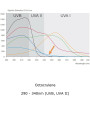
Octocrylene
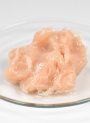
Warp Cream Maker™ (e.q. Nikkomulese wo)

LipidSoft™ Palm (Ethylhexyl palmitate)