Beginner DIY Serum for Mature, Sensitive Skin: Lifting, Pores, and Pigmentation
Question
I'm a complete beginner. After researching formulas on the website for a while, I'd like to consult on a formula that a beginner can mix themselves. It's for a 45-year-old woman with sensitive skin, dry to combination skin (T-zone), starting to have issues with skin sagging, but also undergoes some lifting laser treatments. She has fine lines around the eyes only when smiling, fair skin with some freckles and melasma, and pores are starting to enlarge. She normally uses Hada's plain hyaluronic acid watery lotion, Vitamin C serum, and Rosehip oil as her main products.
I want to make a serum to add to her routine to help with skin lifting and pores. Would the following formula meet these needs?
Proposed Formula:
- Repair Activator 5% (or 10%? Worried about it being oily)
- L-Carnitine (Carnitine) 3%
- GlucoBright 4%
- Safe-B3 3%
- Pal-GHK 5%
- Aloe Vera Gel (Lite) 80%
Additional Questions about the Formula:
- Is it necessary to add Reservoir-Tech to help with absorption?
- My skin is very fair already because I've used sunscreen regularly since age 16 due to very thin skin. Is it necessary to include GlucoBright and Safe-B3 in the formula? Do they help with freckles?
- I included L-Carnitine because I want gentle exfoliation. Is this correct?
- Are the ingredients compatible with Aloe Vera Gel? I'm hesitant to use too many ingredients, worried it won't turn out successfully.
Thank you very much.
Answer
Suggested Serum Formula for Sensitive, Mature Skin
Hello! It's great that you're exploring making your own skincare. Starting with a well-researched formula is a fantastic approach. The ingredients you've chosen are indeed beneficial for your skin concerns.
Here's a review of your proposed formula and answers to your questions:
Formula Review and Suggestions
Your proposed formula is a good starting point for addressing lifting, pores, and pigmentation while being mindful of sensitive skin.
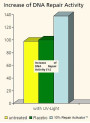
- Repair Activator (Bifida Ferment Lysate): You asked about 5% or 10%. 5% is a very effective concentration for DNA repair and stimulating skin regeneration. For a beginner and sensitive skin, starting at 5% is recommended. You can always increase it later if your skin tolerates it well and you desire more potent effects, but 5% is sufficient to see benefits without potentially causing tackiness or irritation at higher levels.
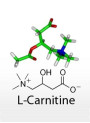
- L-Carnitine (Carnitine): 3% is an appropriate concentration.
- GlucoBright (Acetyl Glucosamine): 4% is within the recommended range and pairs well with Niacinamide.
- Safe-B3 (Vitamin B3, Niacinamide): 3% is a good starting concentration for sensitive skin. Safe-B3 is a high-purity form that minimizes flushing.
- Pal-GHK (eq Matrixyl 3000): You proposed 5%. While 5% is the maximum recommended, 3% is also highly effective at stimulating collagen and improving elasticity. For a first attempt, using the recommended 3% might simplify mixing slightly and is still very beneficial for lifting and wrinkles. Let's adjust this to 3% for this suggested beginner formula.
- Aloe Vera Gel (Lite): This is an excellent, light base for sensitive skin. With the adjusted active percentages (5% + 3% + 4% + 3% + 3% = 18%), the base would be 100% - 18% = 82%.
Suggested Beginner Formula:
- Repair Activator (BG Base): 5%
- L-Carnitine (Carnitine): 3%
- GlucoBright (Acetyl Glucosamine): 4%
- Safe-B3 (Vitamin B3, Niacinamide): 3%
- Pal-GHK, Pal-GQPR (eq Matrixyl 3000): 3%
- Aloe Vera Gel (Lite): 82%
Answers to Your Questions
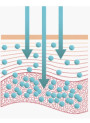
- Reservoir-Tech: Reservoir-Tech helps active ingredients penetrate the skin more effectively and release gradually, which can reduce irritation and prolong the effect. It is compatible with water-soluble ingredients like Safe-B3 and GlucoBright. While it could potentially enhance this formula, it's not strictly necessary for these ingredients at these concentrations, especially for a beginner formula. You can certainly add it later if you want to explore further optimization (typically at 3%, reducing the base percentage accordingly).
- GlucoBright and Safe-B3 for Whitening/Freckles/Melasma: Yes, absolutely. Both GlucoBright and Safe-B3 are well-known for their ability to improve skin tone, reduce hyperpigmentation like freckles and melasma, and brighten the complexion. Safe-B3 also strengthens the skin barrier and helps with oil control (beneficial for your T-zone), while GlucoBright boosts hydration and offers gentle exfoliation. They are valuable additions even if you are already fair, as they target specific pigmentation issues and improve overall skin health.
- L-Carnitine for Gentle Exfoliation: Yes, that is correct. L-Carnitine helps accelerate the natural skin cell turnover process without being acidic, making it a much gentler alternative to traditional AHA/BHA exfoliants. This is suitable for sensitive skin.
- Compatibility and Complexity: All the active ingredients you listed are water-soluble and compatible with the Aloe Vera Gel (Lite) base. The base is designed to easily incorporate powdered and liquid actives. While this formula contains multiple actives, using a pre-made base like Aloe Vera Gel (Lite) simplifies the process significantly compared to making a base from scratch. It is a manageable formula for a beginner who follows instructions carefully.
Tips for Beginners
- Always work in a clean environment with sanitized tools and containers.
- Start by making a small batch to ensure you like the texture and your skin tolerates it well before making a larger quantity.
- Perform a patch test on a small area of skin before applying the serum to your entire face.
This formula targets multiple concerns effectively. Good luck with your first DIY serum!
Related Products Mentioned
Pal-GHK, Pal-GQPR (eq Matrixyl 3000)
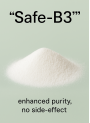
Safe-B3™ (Vitamin B3, Niacinamide)
GlucoBright™ (Acetyl Glucosamine)
L-Carnitine (Carnitine)
Aloe Vera Gel (Lite)