Benzoyl Peroxide Gel Formulation Stability and Base Selection
Question
When formulating a gel containing 2.5% benzoyl peroxide, why does the gel become liquid? What gel bases are suitable for a stable 2.5% benzoyl peroxide formulation?
Answer
Choosing a Gel Base for 2.5% Benzoyl Peroxide
When formulating a gel with benzoyl peroxide (BPO), the gel turning liquid is often due to the incompatibility of the gelling agent with BPO, which is a strong oxidizing agent. BPO can degrade many common thickeners, causing the gel structure to break down. Factors like pH, temperature, and the presence of incompatible ingredients can also affect stability.
To create a stable 2.5% benzoyl peroxide gel, you need a gel base that is resistant to oxidation and stable within the required pH range for BPO (typically slightly acidic).
Based on the available information for some gel bases:
- AnyGel™ (Dehydroxanthan Gum): This gel maker is noted for its "Good resistance to acid, alkali, electrolyte." These are important characteristics for a BPO formulation where pH and ionic strength can affect stability.
- Reshape Gel™ (Gel Maker, Memory-Gel): This product is described as stable across a wide pH range (2-10) and unaffected by electrolytes. This broad stability is also beneficial for potential use with BPO.
- Hyaluronic Acid Gel Base: This is a moisturizing base, but its description does not provide details on compatibility with oxidizing agents or specific pH stability, making its suitability for BPO less clear.
While AnyGel™ and Reshape Gel™ possess properties (resistance to acid/alkali/electrolyte, good pH stability) that are favorable for use with ingredients like BPO, their descriptions do not explicitly confirm compatibility with strong oxidizing agents.
Therefore, AnyGel™ or Reshape Gel™ appear potentially more suitable than a generic base, but it is essential to conduct rigorous stability testing with your specific 2.5% benzoyl peroxide formulation to ensure the gel remains stable over time.
Common industry practices for BPO gels often utilize specific grades of thickeners like Carbomers or Acrylates/C10-30 Alkyl Acrylate Crosspolymer, which are designed for better compatibility with oxidizing ingredients.
Related Products Mentioned
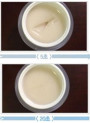
Reshape Gel™ (Gel Maker, Memory-Gel)
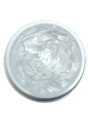
AnyGel™ (Dehydroxanthan Gum)