Best Oils and Ratios for Dissolving Retinol Powder

Asked by: patthrawan_c On: May 03, 2026 Product Type: Cosmetics Answered

Question

What oil should be used to dissolve Retinol powder, and what is the recommended ratio?

Answer

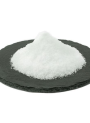
To dissolve Retinol (100% Pure Powder) or Retinyl Retinoate (Pure Powder), the choice of oil and the preparation process are critical for both solubility and stability.

1. Recommended Oils

The best oil for dissolving pure retinoid powders is Caprylic/Capric Triglyceride (CCT). It offers a good balance of solvency, resistance to oxidation, and a lightweight skin feel.

  • Primary Solvent: Caprylic/Capric Triglyceride (CCT)
  • Secondary Options (to improve feel or solubility): Squalane (for stability) or C12-15 Alkyl Benzoate (for a drier feel).

2. Recommended Ratios (Stock Solution)

It is highly recommended to prepare a "Stock Solution" (concentrate) first, rather than adding the powder directly to a large batch. This ensures the powder is fully dissolved.

For Retinol (100% Pure Powder):

A 10% Stock Solution is a practical standard:

  • Retinol Powder: 10%
  • Caprylic/Capric Triglyceride: 89.4%
  • Antioxidants (Essential): Vitamin E (Tocopherol) 0.5% and BHT 0.1% (to prevent rapid degradation).

For Retinyl Retinoate (Pure Powder):

This version is more difficult to dissolve. A 1% to 2% Stock Solution is recommended:

  • Retinyl Retinoate Powder: 1-2%
  • Caprylic/Capric Triglyceride: 97.5 - 98.5% (or a blend with other esters).
  • Antioxidants: Vitamin E (Tocopherol) 0.5%.

3. Mixing and Handling Instructions

Retinoids are extremely sensitive to light, heat, and oxygen.

  • Temperature:
    • For Retinol: Dissolve at room temperature or gently warm to no more than 40°C.
    • For Retinyl Retinoate: May require gentle heating to 50-55°C to dissolve completely. Avoid exceeding 60°C.
  • Light: Work in a low-light environment (avoid direct sunlight or UV).
  • Final Usage Rate: In the final cosmetic formula, the usage rate for Retinol is typically 0.01% to 0.1%. If using a 10% stock solution, you would add 1% of the stock to your formula to achieve a 0.1% final concentration.
  • Process: Always add the dissolved retinoid stock during the cool-down phase of your emulsion (below 40°C) and ensure the final product is stored in opaque, airless packaging.

4. Stability Tips

  • Always include antioxidants (Tocopherol/BHT) in the oil phase.
  • Use a chelating agent (like Disodium EDTA) in the water phase of your cream/serum to protect against metal-induced oxidation.
  • Maintain the final formula pH between 5.0 and 6.5.

Relevant References

Sources supporting the key technical claims in this answer

SCCS (Scientific Committee on Consumer Safety) - Opinion on Vitamin A (Retinol, Retinyl Acetate, Retinyl Palmitate).

Supports storage and stability requirements for retinol.

BASF Technical Information - Retinol Formulation Guidance.

Supports temperature limits and the use of antioxidants/chelators in retinol manufacturing.

Kim et al. (2010). Stability of Retinyl Retinoate in various carrier systems.

Supports formulation guidance for Retinyl Retinoate.