Best Vitamin C Derivative and Packaging for Serum Stability
Question
Could you please advise on the best and most stable Vitamin C derivative when formulated as a serum?
Additionally, when packaging Vitamin C serum in a brown glass bottle (clear green), how well does the Vitamin C maintain its efficacy compared to opaque packaging?
Answer
Choosing the Best Vitamin C Derivative for Serum Stability
When formulating a vitamin C serum, the stability of the vitamin C derivative is crucial for maintaining its effectiveness over time. Several derivatives offer improved stability compared to pure L-Ascorbic Acid.
- Ethyl Ascorbic Acid (3-O-ethyl ascorbic acid): This is a highly stable, water-soluble derivative that is easy to incorporate into formulations. It offers good efficacy for skin brightening and can withstand higher temperatures.
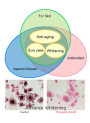
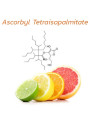
- Perfect-C™ (Ascorbyl Tetraisopalmitate): An oil-soluble derivative known for its excellent stability and high efficacy, particularly in oil-based serums. It is effective for anti-aging, brightening, and collagen synthesis.
- Ascorbyl Glucoside (AA-2G): A water-soluble, moderately stable derivative. While less stable than Ethyl Ascorbic Acid or oil-soluble Perfect-C™, it offers high efficacy for brightening and anti-oxidant benefits. It requires careful pH adjustment during formulation for optimal stability (pH 6.5-6.8).
- Sodium Ascorbyl Phosphate (SAP) and Magnesium Ascorbyl Phosphate (MAP): These are highly stable, water-soluble derivatives that are easy to use. However, they are generally considered moderately effective for whitening compared to L-Ascorbic Acid, Ethyl Ascorbic Acid, or AA-2G.
- L-Ascorbic Acid: The pure form of vitamin C. While highly effective, it is the least stable, especially in water-based formulas, and requires specific conditions (low pH, antioxidants) to maintain stability. It is prone to oxidation when exposed to water, light, and air.
- Stabilized Vitamin C (Natural-C Glycol™) Serum: A highly stable, ready-to-use base containing L-Ascorbic Acid. While very stable, it is not suitable for adding other ingredients as this can affect its stability.
For maximum stability in a serum, Ethyl Ascorbic Acid (for water-based) or Perfect-C™ (Ascorbyl Tetraisopalmitate) (for oil-based) are excellent choices due to their inherent stability and ease of formulation compared to L-Ascorbic Acid or AA-2G.
Packaging for Vitamin C Serum
Vitamin C is sensitive to light and air, which can cause it to oxidize and lose efficacy. Packaging plays a significant role in protecting the serum.
- Opaque Packaging: Provides the best protection against light exposure, helping to maintain the stability and potency of the vitamin C over its shelf life.
- Brown Glass Bottles: While brown glass offers some protection from UV light compared to clear glass, it does not completely block light. Opaque packaging (like airless pumps or tubes) is superior for light-sensitive ingredients like vitamin C.
Therefore, packaging vitamin C serum in opaque containers is highly recommended over brown glass bottles to ensure the ingredient remains stable and effective for as long as possible.
Related Products Mentioned