BHA Precipitation and Foam Issues in Low-pH AHA/BHA Cleanser
Question
I am formulating a facial cleanser containing BHA, AHA, and other ingredients. I dissolved [BHA] in Butylene Glycol, and it was clear. However, after adding other ingredients and warming the formula, it became cloudy, although it did not form crystalline precipitation like before. This has not happened in previous attempts using the same method. I suspect the cloudiness occurred after adding [AHA]. Is it possible that [BHA] and [AHA] are incompatible, causing this precipitation/cloudiness?
Answer
Understanding the Issues
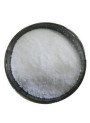
- BHA Precipitation (Cloudiness/Sediment): You observed cloudiness and sediment after adding AHA. This is because Salicylic Acid (BHA) is not very soluble in water, and its solubility decreases significantly at low pH. Adding AHA lowers the overall pH of your formula. While Butylene Glycol helps dissolve BHA, when mixed with the rest of the water-based, low-pH formula, the BHA exceeds its solubility limit and precipitates out. Precipitated BHA is not effectively delivered to the skin and therefore reduces the product's efficacy for treating clogged pores.
- Reduced Foam: You noticed less foam, with larger bubbles, after adding AHA and changing the surfactant base. Foaming agents (surfactants) work best within specific pH ranges. The low pH caused by the addition of AHA (and the presence of BHA) is likely below the optimal pH range for the surfactants in your formula, including the Sulfate Free Shampoo Base you tried. This low pH interferes with the surfactants' ability to create and maintain a stable, dense foam.
- Preservation at Low pH: You asked if a preservative is still needed at a low pH. While a very low pH (below 3) can inhibit microbial growth, such a low pH is generally too acidic for cosmetic products applied to the skin and is not acceptable by regulatory standards like the FDA for over-the-counter products. A preservative system, such as Phenoxyethanol, is necessary to ensure the safety and stability of your formula against microbial contamination under normal use conditions and is required for regulatory compliance.
Solutions and Recommendations
To achieve your goals of enhanced exfoliation and oil control while maintaining a stable formula with good foam, consider the following adjustments:
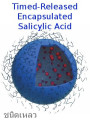
- For BHA Efficacy and Stability: To keep BHA effective and prevent precipitation in a low-pH formula suitable for AHA, it is highly recommended to use Encapsulated Salicylic Acid (Liquid, Timed-Release, Wash-Off) instead of regular Salicylic Acid powder. This encapsulated form is designed for better solubility and stability in water-based systems, even at lower pH, and provides a timed release for gentler, longer-lasting action suitable for a wash-off product like a cleanser. While it may be more expensive than the powder form, it will ensure the BHA remains active and dispersed in your formula.
- For Foam Performance at Low pH: Since the low pH affects surfactant performance, you need to select foaming agents that are effective in acidic conditions (pH 3-4). The Sulfate Free Shampoo Base you tried might not be suitable for this low pH range. You may need to experiment with different individual surfactants or surfactant blends known to perform well at lower pH levels. Coco-Foam™ (Cocamidopropyl Hydroxysultaine) was suggested by the staff and is an amphoteric surfactant that can be used with others to boost foam, but you would still need to test its performance at your target low pH. Finding the right combination and concentration of surfactants that provide sufficient foam at the desired low pH for AHA/BHA efficacy might require some experimentation.
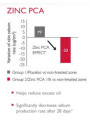
- AHA and Zinc PCA: Adding AHA (e.g., 5-10%) and Zinc PCA (0.5%) is appropriate for your goals. AHA provides exfoliation, and Zinc PCA helps control oiliness and can aid in reducing acne inflammation. Zinc PCA is most soluble and effective in the pH range of 4-6, so formulating at pH 3-4 for optimal AHA/BHA efficacy might slightly reduce Zinc PCA's peak performance, but it should still provide benefits.
- pH Adjustment: You will likely need to measure the pH of your final formula after adding all ingredients, especially the AHA. If the pH is too low (below 3), you may need to adjust it upwards slightly using a base like Triethanolamine (TEA) to reach the optimal range of 3-4 for AHA effectiveness and skin compatibility. However, remember that raising the pH too much will reduce AHA efficacy and BHA solubility (if using the regular powder). Using Encapsulated Salicylic Acid makes formulating at pH 3-4 much more feasible for BHA.
- Hydro Gel: As the staff advised, Biosaccharide Gum-1 (Hydro Gel) is typically used for leave-on products to provide long-lasting hydration. In a wash-off cleanser, it will be rinsed away immediately and provide minimal benefit. You can omit this ingredient from your cleanser formula.
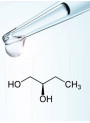
- Butylene Glycol: Butylene Glycol is a useful solvent and humectant. It helps dissolve ingredients like Salicylic Acid. You can keep it in your formula, but understand that even with glycol, regular BHA may still precipitate at the low pH required for AHA efficacy.
Recommended Approach
Based on the challenges and solutions, here is a suggested approach for your revised formula:
- Replace Salicylic Acid (BHA) powder with Encapsulated Salicylic Acid (Liquid, Timed-Release, Wash-Off) at an appropriate usage rate (e.g., 6.6% for 2% active Salicylic Acid).
- Remove Hydro Gel.
- Keep Disodium EDTA, Butylene Glycol, Glycerin, and Phenoxyethanol at your desired concentrations.
- Add AHA (e.g., 5-10%) and Zinc PCA (0.5%).
- Select a surfactant system that performs well at a low pH (ideally pH 3-4). This might involve experimenting with different individual surfactants or using a specialized low-pH tolerant cleansing base. The Sulfate Free Shampoo Base you tried might not be the best option for this low pH. You could try combining Mild Wash and Creamy Foamer, or explore other surfactants known for low-pH tolerance, potentially including Coco-Foam™.
- Measure the pH of the final formula and adjust it to the target range of 3-4 using Triethanolamine if necessary.
This approach addresses the BHA precipitation issue by using an encapsulated form and tackles the foam issue by acknowledging the pH challenge and suggesting the need for surfactants suitable for low pH.
Related Products Mentioned
Triethanolamine 99%
Glycerin (USP/Food Grade)
Salicylic Acid (BHA, Pharma Grade)
Phenoxyethanol (Extra Pure)
Disodium EDTA
Zinc PCA
Butylene Glycol
Hydro Gel (Biosaccharide Gum-1)