BHA Toner Formulation, Thickening, and Layering with Acne Treatment
Question
I have oily, acne-prone skin with slight inflammation and have been using a homemade Timed-Released BHA Toner. I'm concerned that some ingredients might affect the pH and reduce the effectiveness or stability of the BHA due to its acidity. I would like to know if my current formula is good and how.
My current Timed-Released BHA Toner formula details:
- Whitening: Glucosamine (N-acetyl-D) 4%
- Moisturizing: Aloe Vera Extract 10:1 (equivalent to 30% Aloe Vera) 3%
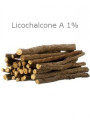
- Anti-Acne: Licorice Root Extract (Licochalcone A) 1.0%
- Anti-Acne: Zinc PCA 1%
- Anti-Aging/Anti-Acne: Vitamin B3 (Niacinamide) 5%
I am planning to mix a new batch and would like to know if I should add or remove anything to make it suitable for use while I am also using acne medication (Benzac 5%).
Additionally, I prefer not to use a cotton pad to apply toner and pour it into my hand instead, but the current formula is too liquid and spills. I want to add an Organic Natural Thickener to thicken it. I'm unsure if I need to use a high-speed mixer or if manual stirring is sufficient.
Finally, I'd like to ask if it would be beneficial to apply the following toner after applying the BHA formula mentioned above, focusing on skin health restoration:
Witch Hazel Alcohol-Free Toner details:
- Whitening: Alpha-Arbutin 2%
- Moisturizing: Vitamin B5 (Panthenol) 5%
- Anti-Irritant: Calendula Extract 5%
- Anti-Aging: Copper Peptide (GHK-Cu) 3%
- Anti-Aging: Gotu Kola (Centella Asiatica) Extract 5%
Thank you.
Answer
Analysis of Your Skincare Routine and Formulations
It sounds like you are taking a proactive approach to managing your oily, acne-prone skin with some inflammation. Let's break down your current BHA toner formula, consider your use of Benzac, discuss thickening the toner, and evaluate layering it with your second toner.
Your Current Timed-Released BHA Toner Formula
Your current formula includes several beneficial ingredients for your skin type:
- Timed-Released BHA (Salicylic Acid): This is excellent for exfoliating the skin's surface and within the pores, helping to unclog them and reduce blackheads and whiteheads. The "timed-released" aspect suggests it may be gentler than traditional BHA, which is good for minimizing irritation.
- Glucosamine (N-acetyl-D): Works well with Niacinamide to help with skin brightening and reducing dark spots. It also helps boost hydration and can have benefits for acne-prone skin.
- Aloe Vera Extract: Known for its soothing and moisturizing properties, which can help calm inflammation and counteract potential dryness from actives.
- Licorice Root Extract (Licochalcone A): An effective anti-inflammatory ingredient that can help reduce redness and irritation associated with acne.
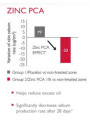
- Zinc PCA: Helps control excess oil production and has anti-inflammatory and wound-healing properties, beneficial for acne and reducing the appearance of post-acne marks.
- Vitamin B3 (Niacinamide): A versatile ingredient that helps reduce oiliness, strengthens the skin barrier, reduces inflammation, and can improve the appearance of pores and post-inflammatory hyperpigmentation.
Overall, the combination of these ingredients is well-chosen for oily, acne-prone skin. The concern about pH is valid, as BHA (Salicylic Acid) is most effective at a lower pH (ideally 3-4). However, timed-released or encapsulated forms are often formulated to work at a slightly higher, gentler pH (often in the 4-6 range), which is compatible with most of your other ingredients like Niacinamide, Glucosamine, Aloe Vera, Licorice Extract, and Zinc PCA. Ensuring the final pH of your toner is within the optimal range for your specific BHA ingredient (check the supplier's recommendations) is important for its efficacy and stability.
Using Your BHA Toner with Benzac (5%)
Using both a BHA toner and Benzac (benzoyl peroxide) 5% can be very effective for treating acne, but it also significantly increases the risk of dryness, redness, peeling, and irritation. Benzac itself can be quite drying. Combining it with another exfoliant like BHA requires caution.
Recommendations:
- Alternate Usage: Do not use both products at the same time of day. Consider using Benzac in the evening and the BHA toner in the morning, or use them on alternate evenings.
- Monitor Your Skin: Pay close attention to how your skin reacts. If you experience excessive dryness, peeling, redness, or stinging, reduce the frequency of one or both products.
- Prioritize Hydration and Soothing: Since you are using strong actives, incorporating more hydrating and soothing ingredients into your routine is crucial. Your current BHA toner already includes Aloe Vera, Licorice Extract, and Niacinamide, which help. If you reformulate, consider slightly increasing the concentration of soothing/hydrating ingredients or adding others.
- Consider Lower BHA Concentration: If irritation is a concern, you might consider reducing the concentration of BHA in your toner slightly when using it concurrently with 5% Benzac.
Thickening Your Toner
It is definitely possible to thicken your toner to make it easier to apply without using a cotton pad. For a water-based toner, a suitable thickener would be a water-soluble polymer.
Recommended Thickener:
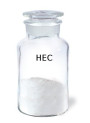
- Hydroxyethyl Cellulose (HEC): This is a non-ionic, water-soluble polymer that can create a clear gel texture. It works well in formulations containing electrolytes and is stable across a wide pH range (including the acidic to slightly acidic range suitable for BHA).
Mixing Method:
To incorporate HEC, you typically disperse the powder in cold water first to prevent clumping, then heat the mixture to around 70°C while stirring continuously until the powder fully dissolves and the gel forms. Allow it to cool while continuing to stir. For your formula containing encapsulated BHA, it is crucial to avoid high-speed mixing (like a strong blender) after adding the BHA, as this can damage the encapsulation and release the BHA too quickly, potentially causing irritation and reducing the timed-release benefit. Hand stirring or low-speed blending is sufficient for incorporating the thickener and other ingredients.
Layering with Witch Hazel Alcohol-Free Toner
Your second toner formula contains ingredients focused on soothing, hydration, and brightening:
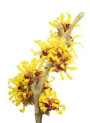
- Witch Hazel (Alcohol-Free): Provides astringent properties to help tighten pores without the drying effect of alcohol.
- Alpha-Arbutin: A skin brightener that helps reduce hyperpigmentation.
- Vitamin B5 (Panthenol): Soothing, moisturizing, and helps with skin barrier repair.
- Calendula Extract: Anti-inflammatory, wound healing, and soothing.
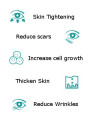
- Copper Peptide (GHK-Cu): Supports wound healing, collagen production, and can help with skin repair and reducing the appearance of scars.
- Gotu Kola (Centella Asiatica) Extract: Known for its anti-inflammatory and healing properties.
Layering this toner after your BHA toner could be beneficial, as it provides soothing, hydrating, and skin-repairing ingredients that can help counteract the potential irritation from BHA and Benzac. The ingredients in the second toner are generally compatible with each other and can support skin health.
Considerations for Layering:
- Skin Sensitivity: If your skin is feeling particularly sensitive or irritated from using Benzac and the BHA toner, adding another layer of product might be too much. Listen to your skin.
- Ingredient Compatibility: While the ingredients in the second toner are mostly compatible, always be mindful when layering multiple products with various active ingredients. Introduce the layering slowly.
In summary, your current BHA toner formula is well-designed for your skin concerns. When using it with Benzac, prioritize gentle use and skin support. Thickening with HEC using low-speed mixing is a good approach. Layering the second soothing toner afterwards can be beneficial, provided your skin tolerates it.
Remember to always patch test new formulations and ingredients.
Related Products Mentioned
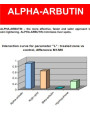
Alpha Arbutin (Switzerland)
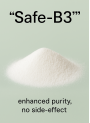
Safe-B3™ (Vitamin B3, Niacinamide)
GlucoBright™ (Acetyl Glucosamine)

Calendula Extract (Water Soluble)