Body Butter Hot Process Formulation: Heating Oils, Texture, Stability, and Irritation
Question
I am developing a Body Butter using the hot process method with LotionBliss and Cetyl Alcohol. I have a few questions:
1. Is it necessary to heat the oil phase (containing Shea Butter Ultra Soft, Rose Hip Oil, Apricot Oil, Sweet Almond Oil) to 70°C along with Cetyl Alcohol and LotionBliss? Will heating cause degradation of the oils?
2. What kind of texture should I expect from this formulation? Will it be a thick, white texture like body butter?
3. Is there a specific percentage of water that should be used in a Body Butter formulation?
4. Is it guaranteed that this hot process method will result in a stable cream?
I previously made a formula with Rose Hip Oil, Apricot Kernel Oil, Avocado Oil, Sweet Almond Oil, Shea Butter, Vitamin C Ester, Light Cream Maker, and Water, which caused itching and rash. Could Vitamin C Ester be the cause?
Also, how should I incorporate fragrance (Melon and Cucumber) into the Body Butter?
Answer
Answers to Your Body Butter Questions
Based on the previous discussion and the information provided, here are the answers to your questions about making Body Butter:
Heating the oils (Shea Butter Ultra Soft, Rose Hip Oil, Apricot Oil, Sweet Almond Oil) to 70°C: Yes, heating these oils along with Cetyl Alcohol and LotionBliss to around 70°C is necessary for the hot process method using LotionBliss and Cetyl Alcohol to work correctly. While some minor degradation of the oils might occur at this temperature, it is a required step for the emulsification process to properly combine the oil and water phases and create a stable cream or butter texture.
Expected texture: If the process is followed correctly, the resulting texture should be a white, thick consistency similar to body butter. The final thickness will depend on the total percentage of thickeners used in your formula, specifically LotionBliss and Cetyl Alcohol.
Percentage of water: There is no strict rule for the percentage of water. The amount of water you include depends on the desired richness and feel of your final product. However, for a product to be considered a "Body Butter," the oil phase (including butters and oils) should generally be a higher percentage than the water phase to give it that characteristic rich, buttery feel.
Guarantee of successful cream: Achieving a stable cream or butter texture with the LotionBliss and Cetyl Alcohol hot process method relies heavily on following the mixing steps precisely, especially maintaining the correct temperature (around 70°C) when combining the phases and stirring continuously while the mixture cools. Your previous successful attempts using Light Cream Maker suggest that the cold process method might be more straightforward and reliable for you if you encounter difficulties with the hot process.
Regarding your previous formula that caused itching and rash (containing Rose Hip Oil, Apricot Kernel Oil, Avocado Oil, Sweet Almond Oil, Shea Butter, Vitamin C Ester, Light Cream Maker, and Water), the staff mentioned that any ingredient could potentially cause a reaction. They specifically noted that Vitamin C Ester (Ascorbyl Palmitate) could be irritating at high concentrations. It is always recommended to perform a patch test with individual ingredients or the final product on a small area of skin to check for sensitivity before applying it widely.
For incorporating fragrance like Melon and Cucumber, you would typically mix the fragrance oil with a solubilizer like Flora Fix (Flora Solve™ Clear) before adding it to the main formula, usually during the cooling phase to preserve the scent.
Related Products Mentioned
Apricot Kernel Oil (Refined)
Avocado Oil (Refined)
Light Cream Maker™
Cetyl Alcohol
Shea Butter (Ultra Soft)

Satin Cream Maker™
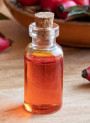
Rosehip Oil (Virgin, Fresh)