Body Cream Formulation: Compatibility, pH, Retinal Dissolution, and Penetration
Question
I am developing a body cream formula aiming for anti-aging, whitening, and moisturizing benefits with a non-greasy feel. The formula includes Retinal, GlucoBright, Safe-B3, Sym-White, ODA-White Plus, Hyaluronic Acid, MOIST24, LipidSoft Dry, and uses Satin Cream Maker as the emulsifier.
I have the following questions:
- I am unsure if all ingredients are compatible.
- Should I be concerned about the pH of this formula? What is the approximate pH likely to be?
- Is it necessary to heat Retinal to no more than 60°C for complete dissolution, even when using FloraSolve as a solvent?
- Is 1% Fractionated Coconut Oil too low if I only include it to help penetrate oil-soluble active ingredients into the skin, not for moisturizing (as other ingredients provide moisture and I dislike the oily feel)?
- If I add Cyclomethicone to this cream formula, will it improve the penetration of active ingredients? At what step should it be added?
Answer
Formula Assessment and Recommendations
Your formula aims to combine anti-aging (Retinal), whitening (GlucoBright, Safe-B3, Sym-White, ODA-White Plus), and moisturizing ingredients while providing a non-greasy feel. This is a good combination of active ingredients.
Based on the ingredients and their properties:
- Whitening & Anti-Aging: The combination of Retinal, GlucoBright, Safe-B3, Sym-White, and ODA-White Plus targets multiple pathways for skin brightening and anti-aging. The synergy between Safe-B3 and GlucoBright is well-documented for whitening, and Safe-B3 also helps improve skin tolerance to Retinal.
- Moisturization & Texture: Hyaluronic Acid, MOIST24, and LipidSoft Dry contribute to hydration and the desired skin feel. MOIST24 is particularly noted for providing moisture without stickiness and improving formula texture. LipidSoft Dry also helps reduce greasiness.
- Emulsification: Satin Cream Maker is a suitable emulsifier for a cold process.
Addressing Your Questions
Compatibility of ingredients:
Most of the ingredients you've chosen are generally compatible within a cosmetic formulation. However, as the staff mentioned, the total oil phase in your formula (approximately 23.7%) is close to the maximum oil load (25%) recommended for Satin Cream Maker at a 1% concentration. This increases the risk of formula separation.Concern about pH and expected pH:
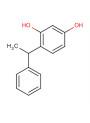
The staff correctly noted that your formula, without highly acidic or alkaline ingredients, is likely to have a neutral to slightly acidic pH. However, for optimal stability and efficacy of key ingredients like Retinal (requires pH 3.5-6.5) and Phenylethyl Resorcinol (requires pH 4-5 for stability), the final pH of the formula should ideally be adjusted to the range of 4.0-5.0. This range also falls within the optimal pH for Safe-B3 (4.0-7.0) and GlucoBright (3-7). You should measure the pH of your final mixture and adjust it if necessary using a suitable acid (like Lactic Acid or Citric Acid) or base (like Triethanolamine).Necessity of heating Retinal to 60°C for dissolution with FloraSolve:
Retinal is sensitive to heat and light. While FloraSolve helps dissolve oil-soluble ingredients, heating Retinal to 60°C, even briefly, should be avoided if possible. The product description for Retinal recommends adding it at the end of the mixing process without heat if the main process is hot. Since you are using Satin Cream Maker, which is a cold-process emulsifier, you can likely dissolve the Retinal and other oil-soluble actives (Sym-White, ODA-White Plus, Vitamin E Acetate) in the oil phase (Part B) with FloraSolve at room temperature or with minimal, gentle warming (below 50°C) only if necessary for dissolution, and for a very short time. Avoid prolonged heating.Is 1% Fractionated Coconut Oil too low for penetration enhancement?
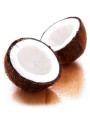
As the staff indicated, Fractionated Coconut Oil at 1% is not necessary for penetration enhancement and will not significantly improve the absorption of oil-soluble active ingredients in this formula. Its primary function is as a lightweight emollient that provides a smooth feel. If you like the feel it provides, you can keep it, but don't rely on it for enhanced penetration.Would adding Cyclomethicone improve penetration and at what step should it be added?
Similar to Fractionated Coconut Oil, the staff confirmed that Cyclomethicone primarily improves the texture of the formula, making it feel smoother and less sticky, but it does not significantly enhance the penetration of active ingredients. If you wish to include Cyclomethicone for its textural benefits, it should be added to the oil phase (Part B) of your formula.
Further Recommendations
- Formula Stability (Satin Cream Maker): To ensure the stability of your cream and prevent separation, follow the staff's advice and either increase the concentration of Satin Cream Maker to 1.3-1.5% or slightly reduce the total percentage of the oil phase ingredients.
- Retinal Stability: Retinal is highly unstable when exposed to light and air. It is crucial to include an antioxidant specifically recommended for Retinal stability, such as ActiveProtec™ OX, at a rate of 1% in your formula. Additionally, the finished product must be stored in opaque, airless packaging (like an airless pump bottle) and ideally kept refrigerated for long-term potency.
- Phenylethyl Resorcinol Stability: Phenylethyl Resorcinol is also sensitive to light and pH. Ensure the final pH is in the 4-5 range and use opaque packaging. Refrigeration is recommended for long-term storage.
- Mixing Steps: Your proposed mixing steps (A: water phase, B: oil phase, add Satin Cream Maker to A, then combine A+B) are appropriate for using Satin Cream Maker. Ensure all ingredients in each phase are fully dissolved or dispersed before combining. Add Retinal and Phenylethyl Resorcinol to the oil phase (B) with minimal heat, ideally just enough to ensure dissolution, before combining with the water phase.
By making these adjustments, particularly regarding the Satin Cream Maker concentration, adding a dedicated antioxidant for Retinal, adjusting the pH, and using appropriate packaging and storage, you can improve the stability and effectiveness of your body cream formulation.
Related Products Mentioned
Vitamin E (Tocopheryl Acetate)
Safe-B3™ (Vitamin B3, Niacinamide)
GlucoBright™ (Acetyl Glucosamine)
Fractionated Coconut Oil

Satin Cream Maker™
Double Hyaluron Liquid

ODA-White Plus™
Retinal (Retinaldehyde)
MOIST24