Body Cream Formulation for Pregnancy: Adjusting Texture for Stretch Mark Prevention
Question
I am developing a body cream formulation for use during pregnancy, specifically to prevent stretch marks. My initial formula is as follows:
- Shea Butter 8%
- Glycerin 5%
- Hydrolyzed Oat Protein 1%
- Allantoin 0.39%
- Light Cream Maker™ 1%
- EDTA 0.2%
- Preservative 1%
- Tea Tree Oil (Water Soluble) 1%
- Royal Jelly Extract 5%
After testing, the cream texture feels too light and not rich enough for my intended purpose, especially for areas prone to stretch marks like the abdomen. I am looking for guidance on how to modify this formula to achieve a heavier, richer texture while ensuring safety for pregnant use and effectiveness for stretch mark prevention.
Answer
Body Cream Formula Review for Pregnancy
Based on the formula you provided and your goal of creating a nourishing body cream, especially for use during pregnancy to prevent stretch marks, here is an assessment of the ingredients and percentages:
Pregnancy Safety
Most ingredients in your formula are generally considered safe for topical use during pregnancy:
- Shea Butter: A widely used emollient, considered safe.
- Glycerin: A common humectant, considered safe.
- Hydrolyzed Oat Protein: Known for soothing properties, considered safe.
- Allantoin: Helps reduce irritation and supports skin repair, considered safe.
- EDTA (Disodium EDTA): Used as a chelating agent at low concentrations, generally considered safe in cosmetics.
The primary ingredient requiring careful consideration during pregnancy is the preservative. As noted in the forum reply, it is advisable to avoid preservatives in the paraben group. Ensure the "สารกันเสีย" (preservative) you plan to use is a pregnancy-safe option. Examples of paraben-free preservatives include Mild Preserved Eco™, PE 1090 Preservative, or Mild Preserved™ COS.
Tea Tree Oil (Water Soluble) at 1% (which contains 20% actual tea tree oil, meaning 0.2% actual oil in the final formula) is a low concentration used here mainly for scent. While some sources suggest caution with Tea Tree Oil during pregnancy, this low percentage for fragrance is likely low risk. You may consider omitting it or using an alternative fragrance if you have concerns.
Regarding Royal Jelly Extract, the search results identified a product that is 10-hydroxydecanoic acid (10-HDA), which is typically used for oil control and acne at a recommended rate of 0.1-1%. Your proposed 5% is significantly higher than this recommended rate for the 10-HDA type. If you are using this specific type, the high percentage might not be effective for your goal of nourishment and its safety at this high concentration during pregnancy for topical use is not as well-established as the other ingredients. If you intended a different type of Royal Jelly Extract focused on general skin nourishment, please verify its recommended usage rate and safety profile.
Important Note: While these ingredients are generally considered safe for topical use, it is always recommended to consult with your doctor or healthcare provider regarding any cosmetic products or ingredients you plan to use during pregnancy.
Ingredient Percentages and Formula Richness
Your formula aims for nourishment, but as you and the forum reply observed, the texture might not be heavy enough, especially for areas prone to dryness and stretch marks like the abdomen, knees, and elbows.
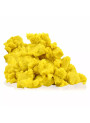
- Shea Butter (8%): This is a good starting point, but increasing the percentage of Shea Butter (e.g., to 10-15% or even higher) can significantly increase the richness and moisturizing properties, which is beneficial for preventing stretch marks.
- Glycerin (5%): This is an appropriate percentage for a humectant.
- Hydrolyzed Oat Protein (1%) and Allantoin (0.39%): These percentages are within typical ranges for their soothing benefits.
- Light Cream Maker™ (1%): This emulsifier is designed for light, easily absorbed creams and can handle up to 20% oil. At 1%, it contributes to the lighter texture you observed. To accommodate a higher oil phase (if you increase Shea Butter or add other oils) and achieve a richer cream, you might need to increase the percentage of Light Cream Maker™ (e.g., to 1.5-2%) or consider using a different emulsifier designed for heavier creams, which might require heat during processing.
- EDTA (0.2%) and Preservative (1%): These percentages are standard for their functions, assuming a suitable preservative is chosen.
- Tea Tree Oil (Water Soluble) (1%): This is sufficient for scent.
Recommendations for Increased Richness
To make your cream more moisturizing and suitable for preventing stretch marks, consider the following adjustments:
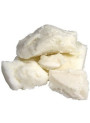
- Increase Shea Butter: Increase Shea Butter to at least 10-15%. You can use Shea Butter (Refined, Deodorised) or Shea Butter (Ultra Soft). Golden Shea Butter (Virgin, Ghana) is another option, but it has a natural scent and color.
- Add Other Oils/Butters: Incorporate other nourishing oils or butters like Sweet Almond Oil, Cocoa Butter, or Jojoba Oil to enhance the emollient properties.
- Adjust Emulsifier: If increasing the oil phase significantly, you may need to increase the Light Cream Maker™ percentage or choose a different emulsifier that yields a heavier texture and can handle a higher oil load.
- Consider Humectants: While Glycerin is included, adding other humectants like Sodium PCA or Sodium Lactate can boost hydration, but be mindful of potential interactions with the emulsifier.
By increasing the lipid (oil/butter) phase and potentially adjusting the emulsifier, you can create a richer cream that provides more intensive moisturization needed for preventing stretch marks and addressing dryness in specific areas.
Related Products Mentioned
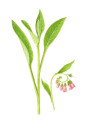
Allantoin
Shea Butter (Refined , Deodorised)
Light Cream Maker™
Glycerin (USP/Food Grade)
Disodium EDTA
Tea Tree Oil (Water Soluble)
Shea Butter (Ultra Soft)
Mild Preserved Eco™ (Preservative-Free)