Body Lotion Formulation: Ingredients, Mixing, and Water Types
Question
I am developing a body lotion formula and have some questions regarding specific ingredients, mixing procedures, and water types. Below is the proposed formula:
1. Distilled Water 87.38%
2. Disodium EDTA 0.2%
3. TreMoisture (Trehalose) 1%
4. Hyaluronic Acid (Nano Molecule) 0.1%
5. Aloe Vera Extract (10:1Full Assay) 1%
6. Phenoxyethanol (Optiphen) 0.5%
7. Global Guard 1%
8. Pro Polymer (Gel Maker) 0.5%
9. Satin Mousse (Silky Cream Maker) 0.5%
10. Cocoa Butter (Deodorized) 3%
11. Fractionated Coconut Oil 5%
12. Rosemary Oleoresin Extract (ROE) 0.02%
My specific questions are:
1. Rosemary Oleoresin Extract (ROE) is listed as an antioxidant. How necessary is it in this formula? Can it be omitted, as I am concerned about its specific scent?
2. The formula includes two preservatives. Is it necessary to use both to cover all types of microorganisms? Is Phenoxyethanol alone sufficient for a long shelf life (several months)?
3. I anticipate difficulty mixing Hyaluronic Acid, Pro Polymer, and Satin Mousse together. I haven't found examples combining these three. Could you advise on the correct mixing order for these ingredients?
4. Can I purchase Distilled Water from this website? I couldn't find it.
5. Are Normal Saline and Distilled Water different? I saw Normal Saline at a pharmacy but not Distilled Water.
Answer
Body Lotion Formulation Advice
Here is a breakdown of your questions and recommendations for your body lotion formula:
1. Rosemary Oleoresin Extract (ROE)
Rosemary Oleoresin Extract (ROE) is primarily used as an antioxidant to prevent the oxidation and rancidity of natural oils in a formulation. In your proposed formula, the main natural oil is Cocoa Butter, which is present at 3%. While ROE can help extend the shelf life of oils, the amount of natural oil in your formula is relatively low.
You can omit the Rosemary Oleoresin Extract if you are concerned about its scent. The staff's reply confirms that it is not strictly necessary in this formula.
2. Preservatives
Your formula includes two preservatives: Phenoxyethanol and Global Guard. The staff's reply indicates that using just one preservative is sufficient for a long shelf life, provided it is effective against a broad spectrum of microorganisms (bacteria, yeast, and mold).
Phenoxyethanol is effective against bacteria but less so against fungi. Global Guard is a broad-spectrum preservative effective at a pH below 5.5. To ensure broad-spectrum protection for a long shelf life, especially if the final pH of your lotion is above 5.5, using a broad-spectrum preservative like Phenoxyethanol SA (which contains Phenoxyethanol, Caprylyl Glycol, and Sorbic Acid) might be a more robust option than using Phenoxyethanol alone. However, if your formula's pH is below 5.5, Global Guard at the recommended usage rate should be sufficient. If you prefer to use Phenoxyethanol, consider pairing it with an ingredient that provides antifungal activity for complete protection.
3. Mixing Hyaluronic Acid, Pro Polymer, and Satin Mousse
You are correct that Hyaluronic Acid powder can be challenging to dissolve. The staff's recommendation to use Double Hyaluron Liquid is a good one, as it is a pre-dissolved liquid form containing both nano and standard molecular weight Hyaluronic Acid, making it much easier to incorporate into your formula.
Pro Polymer (Gel Maker) and Satin Cream Maker are both thickeners/emulsifiers that work by creating a polymeric structure in the water phase. They are generally not difficult to mix but require proper dispersion and sufficient stirring time to hydrate and build viscosity.
Here is a suggested mixing order incorporating these ingredients:
- Water Phase Preparation: Start with your Purified Water. Add Disodium EDTA and TreMoisture (Trehalose) to the water and stir until fully dissolved.
- Hyaluronic Acid: If using Hyaluronic Acid powder, it needs to be fully dispersed and hydrated in the water phase before adding thickeners. This can take time and requires careful stirring to avoid clumping. If using Double Hyaluron Liquid, add it to the water phase and stir to combine.
- Thickeners/Emulsifier: Add Pro Polymer and Satin Cream Maker to the water phase. Sprinkle the powders onto the surface of the water phase while stirring slowly to help them disperse without clumping. Increase stirring speed gradually as the mixture starts to thicken. Avoid high-speed blending (above 2500 rpm) as this can damage the polymers. Continue stirring until a smooth, uniform gel/cream base is formed. Pro Polymer may take some time to fully hydrate, so patience and adequate stirring are key.
- Oil Phase: In a separate container, combine Cocoa Butter and Fractionated Coconut Oil. Gently heat this mixture (around 40-50°C) to melt the Cocoa Butter.
- Combine Phases: Slowly add the melted oil phase to the water phase while continuously stirring the water phase. Continue stirring until the oil is fully emulsified and a stable cream texture is achieved.
- Heat Sensitive Ingredients: Once the emulsion has formed and cooled down (below 40°C), add heat-sensitive ingredients like Aloe Vera Extract and your preservatives (Phenoxyethanol and Global Guard).
- Fragrance (Optional): If adding fragrance, incorporate it in the final step after all other ingredients have been added and the mixture has cooled.
- Final Adjustments: Stir well to ensure all ingredients are evenly distributed. Check the consistency and pH, adjusting if necessary.
4. Adding Fragrance
Fragrance oils should typically be added in the cool-down phase of your formulation, after the emulsion has formed and the temperature has dropped below 40°C. This helps to preserve the integrity of the fragrance and prevents volatile components from evaporating. Stir gently to incorporate the fragrance evenly. You can use fragrance oils like Orange Therapy or Strawberry (Fragrance Oil) from the website.
5. Additional Formula Recommendations
The staff's suggestion to add more nourishing ingredients like Vitamin B3 (Niacinamide) and Vitamin B5 (Panthenol) is excellent.
- Vitamin B3 (Niacinamide): Ingredients like Safe-B3™ or Extreme-B3™ can help improve skin barrier function, reduce redness and hyperpigmentation, and have anti-aging benefits.
- Vitamin B5 (Panthenol): Ingredients like Panthenol powder or D-Panthenol Care (Pro-Vitamin B5, 100% Liquid) are excellent humectants that help attract and retain moisture, improve skin elasticity, and soothe irritation.
Adding these vitamins would enhance the moisturizing and skin-strengthening properties of your body lotion.
For the cooling sensation, as the staff mentioned, adding ingredients like alcohol or Menthol can cause irritation. Storing the lotion in the refrigerator is the simplest way to achieve a cooling effect upon application without adding potentially irritating ingredients. If you still wish to explore cooling agents, options like CoCool™, Menthol Water Soluble, or CoolTouch™ could be considered, but always use them at recommended low concentrations and be mindful of potential skin sensitivity.
6. Distilled Water Source
Yes, you can purchase purified water from the website. The product is listed as Purified Water, TDS Limit 1PPM. The staff's reply also provided a link to this product.
7. Distilled Water vs. Normal Saline
Distilled water and Normal Saline are different. Distilled water is purified water with minerals and impurities removed. Normal Saline is a sterile solution of sodium chloride (salt) in water, typically used for medical purposes. For cosmetic formulations, purified or distilled water is recommended to avoid introducing impurities that could affect the stability or performance of the product.
In summary, your formula provides a good base for a moisturizing lotion. You can omit the Rosemary Oleoresin Extract if desired. While your current preservative system might be sufficient depending on the final pH, consider a broad-spectrum option like Phenoxyethanol SA for enhanced protection. Using Double Hyaluron Liquid will simplify the mixing process for Hyaluronic Acid. Incorporate Pro Polymer and Satin Cream Maker carefully into the water phase with adequate stirring. Add fragrance in the cool-down phase. Consider adding Vitamin B3 and Vitamin B5 to boost the nourishing benefits, and store the finished lotion in the refrigerator for a cooling sensation. Purified water is available on the website and is different from Normal Saline.
Related Products Mentioned
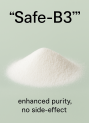
Safe-B3™ (Vitamin B3, Niacinamide)

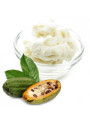
Cocoa Butter (Deodorized, Refined)
Phenoxyethanol (Extra Pure)
Rosemary Oleoresin Extract (ROE)
Fractionated Coconut Oil
Disodium EDTA
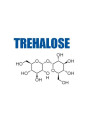
TreMoisture™ (Trehalose)
Pro Polymer™ (Gel Maker)

Satin Cream Maker™
Double Hyaluron Liquid

Purified Water, TDS Limit 1PPM)

Global Guard™ K712

Phenoxyethanol SA (eq. Optiphen Plus)

CoolTouch™ (Menthyl Lactate)

Strawberry (Fragrance Oil)