Body Lotion Formulation with Brightening Actives: Method and Considerations
Question
I have formulated a body lotion with the following ingredients and percentages, aiming for a brightening effect:
- NAG 4%
- Vit. B3 4%
- Almond Oil 10%
- Glycolic Acid 2%
- Alpha Arbutin 2%
- Oxyresveratrol 5%
- Phenoxyethanol 1%
- Satin Mousse 3%
- Water 69%
Could you please provide feedback on this formula and advise on the correct method for making this lotion?
Answer
Okay, I see your revised formula for the body lotion. It includes several good ingredients for brightening and moisturizing.
Here's the formula you proposed:
- NAG 4%
- Vit. B3 4%
- Almond Oil 10%
- Glycolic Acid 2%
- Alpha Arbutin 2%
- Oxyresveratrol 5%
- Phenoxyethanol 1%
- Satin Mousse 3%
- Water 69%
Feedback on the formula:
- Ingredient Combination: This formula combines multiple potent brightening agents (NAG, Vit B3, Glycolic Acid, Alpha Arbutin, Oxyresveratrol). This can be effective, but also increases the potential for skin irritation, especially with Glycolic Acid.
- Glycolic Acid & pH: Glycolic Acid is an AHA that requires a low pH (typically below 4-5) to be effective for exfoliation. Adding it will significantly lower the formula's pH. You must check and adjust the final pH of the lotion. A pH that is too low can cause irritation, while a pH that is too high will make the Glycolic Acid less effective.
- Oxyresveratrol Concentration: 5% Oxyresveratrol is a relatively high concentration. You should verify its solubility in your formula and check the recommended usage rate for stability and efficacy.
- Satin Mousse: Increasing Satin Mousse to 3% is a good adjustment based on the previous feedback, as Glycolic Acid can thin the texture. This amount should help emulsify the 10% oil phase and create a lotion consistency.
- Oils/Butters: You removed Shea Butter, which is good if you were concerned about comedogenicity. 10% Almond Oil provides moisturization, but the overall feel will depend on your skin type (as the staff member asked).
Overall: The formula has potential for brightening, but the combination of actives requires careful pH management and consideration of potential irritation.
How to make the lotion:
This is a general method for making an emulsion like this. Always follow specific instructions for each raw material if available.
- Water Phase: Heat the water to about 70-75°C. Add NAG, Vit B3, Glycolic Acid powder (ensure it dissolves), Alpha Arbutin, and Oxyresveratrol (check solubility - it might need heating or a specific solvent, or add it later if heat-sensitive). Stir until everything is dissolved.
- Oil Phase: In a separate container, mix Almond Oil and Satin Mousse. Heat this phase to about 70-75°C.
- Emulsification: Slowly pour the hot oil phase into the hot water phase while stirring continuously with a stick blender or homogenizer for several minutes until a stable emulsion forms.
- Cooling: Continue stirring gently while the mixture cools down.
- Add Heat-Sensitive Ingredients: Once the temperature drops below 40°C, add Phenoxyethanol.
- pH Adjustment: This is a critical step. Use a pH meter or pH strips to measure the pH of the lotion. It will likely be low due to Glycolic Acid. If it's too low (e.g., below 3.5), you might need to adjust it upwards slightly using a base like Sodium Hydroxide solution (use very dilute solutions and add drop by drop, stirring well and re-measuring pH each time). Aim for a pH range suitable for Glycolic Acid efficacy and skin safety (often between 4 and 5, but check product specifications for Glycolic Acid).
- Final Check: Once cooled and pH adjusted, check the consistency. If it's too thick or thin, you might need to adjust the Satin Mousse percentage in future batches.
Important: Due to the potent ingredients, especially Glycolic Acid and Oxyresveratrol, it is highly recommended to test the final product on a small area of skin first to check for irritation.
Related Products Mentioned
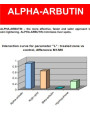
Alpha Arbutin (Switzerland)
Safe-B3™ (Vitamin B3, Niacinamide)
GlucoBright™ (Acetyl Glucosamine)
Phenoxyethanol (Extra Pure)

Satin Cream Maker™
Glycopure™ (Glycolic Acid (AHA) Powder)
