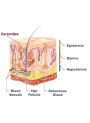
Body Oil Formulation: Compatibility and Stability
Question
How to ensure ingredient compatibility and enhance oxidative stability for a body oil formulation containing specific antioxidants, skin barrier lipids, and natural oils for commercial sale?
Answer
Body Oil Formulation Compatibility and Stability
Based on the ingredients you've listed for your body oil formulation, here's an assessment of compatibility and recommendations for stability for commercial sale:
Ingredient Compatibility
Most of the ingredients in your formula are oils, lipids, or oil-soluble compounds, which are generally compatible and should dissolve well in your natural oil blend base. These include:
- Antioxidants: Pure-Melatonin, dl-alpha tocopherol, and Tocopheryl Acetate are oil-soluble vitamins and compounds.
- Skin Barrier Components: SkinLipid, Ceramide NP, Cholesterol, and Phytosphingosine are lipids and lipid-like substances.
- Natural Oils: All the listed natural oils (Macadamia Nut Oil, Sweet Almond Oil, Safflower Seed Oil, Sunflower Seed Oil, Fractionated Coconut Oil, Rose Hip Oil, Hazelnut Oil) are miscible with each other.
To ensure complete dissolution of solid or semi-solid ingredients like Ceramide NP, Cholesterol, and Phytosphingosine, you may need to gently heat the oil phase during mixing. Once dissolved, they should remain stable in the oil blend upon cooling.
Stability for Commercial Sale
Your formula is anhydrous (contains no water), which significantly reduces the risk of microbial growth, so preservatives are typically not required.
The primary stability concern for oil-based products, especially those containing oils high in polyunsaturated fatty acids (like Safflower Seed Oil, Sunflower Seed Oil, and Rose Hip Oil), is oxidative rancidity. This is when oils react with oxygen, leading to unpleasant odors and degradation of the product.
Your formula already includes dl-alpha tocopherol and Tocopheryl Acetate, which are forms of Vitamin E and act as antioxidants. However, for extended shelf life needed for commercial products, especially with a high percentage of prone-to-oxidation oils, you may consider adding additional or more potent antioxidants.
Additional Antioxidant Options:
To enhance the oxidative stability for commercial purposes, consider adding one or a combination of the following antioxidants:
- Rosemary Oleoresin Extract (ROE): A natural antioxidant that works synergistically with Vitamin E.
- Ascorbyl Palmitate: An oil-soluble form of Vitamin C that helps protect oils from oxidation.
- Protec™ OX: A highly effective synthetic antioxidant.
- Butylated Hydroxyanisole (BHA): Another effective synthetic antioxidant commonly used in oil-based products.
Using one of these additional antioxidants, typically at a low concentration (e.g., 0.01-0.1%), can significantly extend the shelf life and maintain the quality of your body oil.
Furthermore, proper packaging, such as using dark-colored or opaque bottles and airless pumps, can help minimize exposure to light and air, further improving stability.
In summary, your ingredients are compatible. For commercial stability, while Vitamin E provides some protection, adding a dedicated antioxidant like Rosemary Oleoresin Extract, Ascorbyl Palmitate, Protec™ OX, or BHA is highly recommended to prevent rancidity and ensure a longer shelf life.
Related Products Mentioned
Vitamin E (Tocopheryl Acetate)
Macadamia Nut Oil (Deodorized)
Vitamin E (dl-alpha tocopherol)
Fractionated Coconut Oil
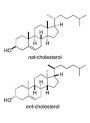
Cholesterol (95%, NF, Fine Powder)
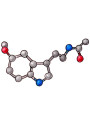
Pure-Melatonin™ (Odorless, White Powder)
SkinLipid™

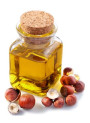
Hazelnut Oil (Refined)

Phytosphingosine (90% Purity)
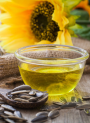
Sunflower Oil (High Omega, Refined)
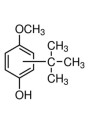
Butylated Hydroxyanisole