Body Oil Formulation Issues: Separation, Texture, and Acne Treatment
Question
I am formulating a Body Oil with the following ingredients: Oil, glycerin, Perfect C, MSH White Absorb, Vit E, and Essential Oil. I encountered the following issues and have questions:
- The Oil and glycerin separate. Which natural emulsifier can I use that will not make the formula cloudy?
- Is a preservative necessary for this formula?
- When applied to dry skin, the product feels sticky. Which ingredient can help make the product more slippery?
- Is this combination of ingredients suitable? (Please advise on the formula composition, including percentages if needed).
- If I want to add acne treatment properties to this formula, which ingredient should I use? I am currently considering
Salicylic Acid (BHA). Is this suitable for this formula, or do you have other recommendations?
I aim for this formula to be as natural as possible and non-comedogenic for acne-prone skin.
Answer
Body Oil Formulation Advice
It's great that you are experimenting with your own formulations! The separation you observed between the oil and glycerin is expected because oil and glycerin are not miscible; they will naturally separate without something to bind them together. Glycerin is water-soluble, so to combine it with oil, you need to create an emulsion, which requires both water and an emulsifier.
1. How to emulsify naturally without making the formula cloudy?
To combine oil and glycerin, you must create an emulsion, which means you need a water phase (where glycerin will dissolve) and an oil phase, bound together by an emulsifier. Since you want a natural and potentially clear or non-cloudy result, and you are making a "Body Oil" (suggesting an oil-continuous feel), a Water-in-Oil (W/O) emulsion might be suitable.
A suitable natural-based emulsifier for creating a W/O emulsion that can help blend oils and incorporate a water phase (containing glycerin) is Oil Blender™ (Polyglyceryl-3 Diisostearate). This ingredient is designed to combine various oils and can be used to stabilize W/O emulsions. Keep in mind that creating a perfectly clear emulsion is challenging, especially with natural ingredients, but Oil Blender™ can help achieve a stable blend. You will need to include water in your formula along with the glycerin to use this emulsifier effectively.
2. Is a preservative necessary in this formula?
Whether you need a preservative depends entirely on whether your final formula contains water.
- If you reformulate to include water to emulsify the oil and glycerin, then yes, a preservative is absolutely necessary. Water-containing formulas are susceptible to microbial growth, which can spoil the product and be harmful to the skin.
- If you decide to remove the glycerin and make a purely oil-based product (anhydrous), then a preservative is generally not needed. However, as the staff mentioned, the packaging must be completely airtight to prevent any moisture from entering the product, as even small amounts of water can introduce microbial contamination.
3. What ingredient can make the product less sticky and more slippery when applied to dry skin?
The sticky feeling you experience when applying to dry skin can be improved by incorporating emollients that provide good slip and a smooth feel. LipidSoft™ Lube (PPG-15 Stearyl Ether) is an emollient that is known to add lubrication and a light, non-occlusive feel to formulas, making them spread more easily and feel less sticky. LipidSoft™ Shine could also improve the feel and slip.
4. Is this formula composition acceptable?
The current list of ingredients (Oil, Glycerin, Perfect C, MSH White Absorb, Vit E, Eo) is a good starting point, but as it stands, without an emulsifier and water, the oil and glycerin will separate. To make it a stable product that includes glycerin, you must formulate it as an emulsion by adding water and an appropriate emulsifier like Oil Blender™.
The acceptability of the formula also depends on the percentages of each ingredient. Different ingredients have recommended usage rates, and the overall balance of oil, water, and other components will affect the texture, stability, and efficacy of the final product. Providing the percentages you are using would allow for more specific feedback.
5. How to add acne treatment properties? Is Salicylic Acid (BHA) suitable, or are there other recommendations?
You are interested in adding acne-treating properties and asked about Salicylic Acid (BHA). As the staff correctly pointed out, Salicylic Acid (BHA) is not soluble in a simple oil-based formula. While BHA is oil-soluble, it typically requires specific solvents or forms to be incorporated effectively, and it's often used in water or hydroalcoholic solutions or specific emulsion types.
Given your goal for a natural, non-comedogenic formula suitable for acne-prone skin, and assuming you will create an emulsion (likely W/O if you want an oily feel), here are some alternative oil-soluble or dispersible acne-treating ingredients:
- Acne-TT™ (Standardized Tea Tree Extract For Acne): This is a standardized extract from Tea Tree, soluble in oil, and known for its antimicrobial and anti-inflammatory properties, making it suitable for acne treatment. It aligns with the desire for natural ingredients.
- Actin AC (5-in-1 Anti-Acne): This is an oil-soluble active that offers multiple benefits for acne-prone skin, including sebum regulation, anti-inflammatory effects, reducing hyperpigmentation, regulating keratinization, and reducing bacteria.
- Pure-Bakuchiol™ (Natural Retinol, 99% Pure, USA): Derived from natural sources, Bakuchiol is oil-soluble and provides retinol-like benefits (anti-aging, anti-acne) without the irritation often associated with retinol. It can help reduce sebum production and control bacteria.
It's important to remember the staff's note that skin prone to acne or clogging should ideally avoid high amounts of oil. If acne treatment is a primary goal, you might consider adjusting the oil content or selecting oils known to be less comedogenic.
In summary, to create a stable body oil that includes glycerin, you will need to formulate it as a Water-in-Oil emulsion using water and an emulsifier like Oil Blender™. If water is included, a preservative is necessary. To improve the feel and reduce stickiness, consider adding LipidSoft™ Lube. For acne treatment in an oil-based or W/O formula, Acne-TT™, Actin AC, or Pure-Bakuchiol™ are more suitable options than Salicylic Acid. Providing your ingredient percentages will help refine the advice further.
Related Products Mentioned
Vitamin E (Tocopheryl Acetate)
Glycerin (USP/Food Grade)
Salicylic Acid (BHA, Pharma Grade)
Fractionated Coconut Oil
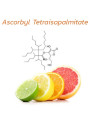
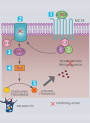
MSH White™ (Undecylenoyl phenylalanine)
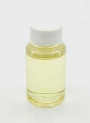

LipidSoft™ Lube (PPG-15 Stearyl Ether)


LipidSoft™ Shine