Body Spray Formulation Feasibility and Mixing Procedure
Question
I would like to inquire about the feasibility and mixing procedure for the following Body Spray formulation:
- DI Water: 66.70%
- Disodium EDTA: 0.20%
- Allantoin: 0.25%
- Condi B5: 0.30%
- Methyl Gluceth-10: 0.50%
- LipidSoft™ Dry II (Dicaprylyl Carbonate): 5.00%
- Eco solve: 4.00%
- LipidSoft™ C1215 (C12-15 alkyl benzoate): 3.00%
- Lipid soft DEO -Tri: 1.00%
- Moist 24 :Glycereth-26: 0.50%
- Transmoist PPG-24-Glycereth-24: 1.00%
- WaterLube™ Slip: 1.00%
- Light lotion maker: 3.00%
- Polysorbate 80: 0.45%
- PEG-40 Hydrogenated castor oil: 2.00%
- สารสกัดลูกพลับญี่ปุ่น: 2.50%
- Silicone Quick-Cond: 1.10%
- CycloSorb™ Clear: 4.00%
- Mild Preserved Eco ควรผสมใน**ขั้นตอนสุดท้ายของสูตร: 1.00%
- Lactic acid: 2.50%
Total: 100.00%
Answer
Body Spray Formulation Feasibility and Mixing
This body spray formulation appears generally feasible, aiming for a light, sprayable emulsion or solubilized system. Here's an analysis of the ingredients and a suggested mixing method:
Ingredients and Their Roles
The formula includes a mix of water-soluble and oil-soluble ingredients, along with emulsifiers and solubilizers to combine them:
Water Phase: DI Water, Disodium EDTA, Allantoin, Condi B5, Methyl Gluceth-10, Moist 24, Transmoist, WaterLube™ Slip, Japanese Persimmon Extract, Silicone Quick-Cond, CycloSorb™ Clear, Mild Preserved Eco, Lactic acid.
- Ingredients like Allantoin, Condi B5, Methyl Gluceth-10, Moist 24, Transmoist, WaterLube™ Slip, and Japanese Persimmon Extract provide skin conditioning and moisturizing benefits.
- Disodium EDTA acts as a chelating agent.
- Silicone Quick-Cond adds slip and conditioning.
- CycloSorb™ Clear is included for odor absorption.
- Lactic acid is an AHA for exfoliation and pH adjustment.
- Mild Preserved Eco is the preservative.
Oil Phase: LipidSoft™ Dry II, LipidSoft™ C1215, Lipid soft DEO -Tri.
- These LipidSoft emollients provide a light, non-oily feel and help dissolve other oil-soluble components.
Emulsifiers/Solubilizers: Eco solve, Light lotion maker, Polysorbate 80, PEG-40 Hydrogenated castor oil.
- These ingredients are crucial for creating a stable mixture of the water and oil phases.
Potential Considerations
- Emulsifier/Solubilizer System: The formula uses several different emulsifiers and solubilizers (Light Lotion Maker, Polysorbate 80, PEG-40 Hydrogenated castor oil, and Eco Solve, which itself contains PEG-40 Hydrogenated castor oil). While this combination might work, it could be overly complex and potentially affect stability or texture. Simplifying the emulsifier system by choosing one or two primary components might be beneficial.
- Lactic Acid and pH: The inclusion of 2.5% Lactic acid (assuming 90% concentration) will significantly lower the pH of the formula. For consumer products, the pH should generally not be lower than 3.5. You must measure the final pH and adjust it if necessary using a neutralizing agent to ensure safety and stability. Condi B5 requires a pH below 7.0 for dissolution, which Lactic acid will help achieve, but ensure it doesn't go too low.
- Moist 24 Usage Rate: The concentration of Moist 24 at 0.5% is at the lower end of the recommended usage rate (1-10%, with 1-5% for general skincare). While it may still contribute some moisture, you might not get the full textural or hydrating benefits described for this ingredient at this level.
- Japanese Persimmon Extract: Ensure the specific Japanese Persimmon Extract used is suitable for cosmetic applications and is compatible with the final pH of the formula.
Suggested Mixing Method
Here is a general mixing procedure. Adjustments may be needed based on specific ingredient properties and desired batch size:
- Prepare Water Phase: In a suitable container, combine DI Water, Disodium EDTA, Allantoin, Condi B5, Methyl Gluceth-10, Moist 24, Transmoist, WaterLube™ Slip, Japanese Persimmon Extract, Silicone Quick-Cond, CycloSorb™ Clear, and Lactic acid. Stir thoroughly until all water-soluble ingredients are completely dissolved. Ensure Condi B5 is fully dissolved (this may take around 15 minutes of stirring).
- Prepare Oil Phase: In a separate container, combine LipidSoft™ Dry II, LipidSoft™ C1215, Lipid soft DEO -Tri, Eco solve, Light lotion maker, Polysorbate 80, and PEG-40 Hydrogenated castor oil. Stir to mix the oil-soluble ingredients and emulsifiers/solubilizers.
- Combine Phases: While stirring the water phase (preferably with a homogenizer or high-shear mixer), gradually add the oil phase. Continue mixing until a uniform emulsion is formed.
- Final Adjustments: Once the emulsion is stable and cooled (if any heating was involved, though a cold process is possible with Light Lotion Maker), add Mild Preserved Eco. Mix well. Measure the pH and adjust if necessary to be above 3.5.
- Packaging: Package the finished body spray in appropriate containers.
Always perform a small test batch first to check for stability, appearance, and performance before scaling up.
Follow-up Replies
Question:
ระบบอิมัลซิไฟเออร์/สารช่วยละลาย: สูตรนี้ใช้สารอิมัลซิไฟเออร์และสารช่วยละลายหลายชนิด (Light Lotion Maker, Polysorbate 80, PEG-40 Hydrogenated castor oil และ Eco Solve ซึ่งมี PEG-40 Hydrogenated castor oil เป็นส่วนประกอบ) แม้ว่าการผสมผสานนี้อาจใช้ได้ผล แต่อาจซับซ้อนเกินไปและอาจส่งผลต่อความเสถียรหรือเนื้อสัมผัส การทำให้ระบบอิมัลซิไฟเออร์ง่ายขึ้นโดยเลือกส่วนประกอบหลักหนึ่งหรือสองชนิดอาจเป็นประโยชน์
ในส่วนนี้ ทางทีมงาน แนะนำ ให้ปรับลดลงเป็นอย่างไรดีคะ ขอคำแนะนำค่ะ
Answer:
Revised Answer
Based on your question about formulating a lotion and the administrator's feedback, here is a revised answer that includes the product IDs for the ingredients discussed.
When formulating a lotion, various ingredients are used for different purposes:
- Emulsifiers: To combine oil and water phases. Examples include Polysorbate 80 (ID 176) and PEG-40 Hydrogenated Castor Oil (ID 738). Light Lotion Maker (ID 5938) is also a popular choice for creating light emulsions.
- Solubilizers: To help dissolve oils or fragrances in water. Eco Solve (ID 35403) is an example.
- Chelating Agents: To bind metal ions and improve stability. Disodium EDTA (ID 184) is commonly used.
- Soothing Agents: To reduce irritation and promote healing. Allantoin (ID 75) is a well-known ingredient for this purpose.
- Conditioning Agents: To provide a smooth feel to the skin or hair. Condi B5 (ID 6199) is an example.
- Humectants: To attract and retain moisture in the skin. Methyl Gluceth-10 (ID 7959), MOIST24 (ID 1053), and TransMoist™ (ID 7765) are effective humectants.
- Emollients/Skin Conditioners: To soften and smooth the skin. LipidSoft™ Dry II (ID 2054), LipidSoft™ C1215 (ID 391), LipidSoft™ Deo (ID 1115), WaterLube™ Slip (ID 6187), Silicone Quick-Cond (ID 1019), and CycloSorb™ Clear (ID 11006) offer various textures and benefits.
- Preservatives: To prevent microbial growth. Mild Preserved Eco™ (ID 1001) is a popular preservative blend.
- Exfoliants: To help shed dead skin cells. Lactic Acid (AHA) (IDs 6554, 7768) is a common alpha hydroxy acid used for exfoliation.
This list provides product IDs for the ingredients previously discussed, as requested by the administrator.
Related Products Mentioned

Allantoin
Polysorbate 80 (Tween 80)
Disodium EDTA
Mild Preserved Eco™ (Preservative-Free)
Silicone Quick-Cond (PEG-12 Dimethicone)
MOIST24
LipidSoft™ Deo (Triethyl Citrate, TEC)
LipidSoft™ Dry II (Dicaprylyl Carbonate)
Light Lotion Maker
Lactic Acid (AHA) 90%
TransMoist™ (PPG-24-Glycereth-24)
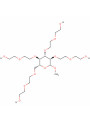
Methyl Gluceth-10

CycloSorb™ Clear (Water-Soluble)