Body Treatment Formula: pH, Stability, and Preservation
Question
I am developing a water-based body treatment formula with the following ingredients and percentages:
- Lactic Acid (AHA) 15%
- Urea 15%
- Vitamin B3 (Niacinamide) 3%
- Glucosamine (N-acetyl-D) 4%
- Vitamin C (L-ascorbic acid) 7%
Could you please provide feedback on potential issues with this formula, such as pH, ingredient stability (especially L-ascorbic acid and Urea), and precipitation? What is the correct mixing procedure, and are there any essential ingredients I need to add, such as preservatives or chelating agents?
Answer
Formula Analysis and Recommendations
The formula you proposed contains good ingredients for body skin whitening and moisturizing. However, there are important considerations to ensure the formula is stable, safe, and maximally effective.
Ingredients and Function:
- Lactic Acid (AHA) 15%: Helps exfoliate old skin cells, making skin smoother and brighter. Using it at 15% is quite high for general consumer use (FDA limits it to not more than 10% at pH not lower than 3.5 for consumers) and will result in a very low pH, which must be adjusted for skin safety.
- Urea 15%: At this concentration, Urea has excellent exfoliating and moisturizing properties. However, 15% concentration might lead to stability issues for Urea in low pH formulas and may require a stabilizer.
- Vitamin B3 (Niacinamide) 3%: Helps reduce dark spots, strengthens the skin barrier, and works synergistically with Glucosamine for brightening. Increasing the concentration to 5%, as previously suggested, would enhance effectiveness for body skin.
- Glucosamine (N-acetyl-D) 4%: Works well with Vitamin B3 to reduce dark spots and increase radiance. It also helps stimulate the skin's natural Hyaluronic Acid production, increasing moisture.
- Vitamin C (L-ascorbic acid) 7%: An antioxidant that helps brighten the skin. However, L-ascorbic acid is unstable in water and degrades easily. It must be used in formulas with a low pH (around 2.0-4.0) and requires Disodium EDTA to chelate metal ions and prevent degradation.
Considerations and Recommendations:
- pH Adjustment: This is the most critical point in this formula. Combining Lactic Acid and L-ascorbic acid will result in a very low pH, likely below 3.5, which is the minimum pH required by the FDA for leave-on skin products and can cause severe skin irritation. You must adjust the pH of the formula upwards to at least 3.5 (and ideally not exceeding 4.0 for L-ascorbic acid to remain effective) using an alkaline substance like Sodium Hydroxide solution. Measuring and adjusting pH requires a pH meter.
- Urea Concentration: 15% is within the range for exfoliation, but Urea may not be stable in very low pH formulas. If you want to use 15%, consider adding a Urea stabilizer like Gluconolactone (about 15% of the Urea amount) or Triacetin (1:10 ratio with Urea), or reduce the Urea concentration to 5-10% for easier management.
- Vitamin C (L-ascorbic acid) Stability: Even with pH adjustment, L-ascorbic acid will still degrade in water over time, especially when exposed to light, heat, or oxygen. Using Disodium EDTA (0.1-0.2%) is essential to help prevent degradation from metal ions in water. Store the product in an opaque container, tightly sealed, and in a cool, dark place (refrigerator is best) to extend its shelf life. For higher stability, consider using a more stable Vitamin C derivative like Ethyl Ascorbic Acid or Ascorbyl Glucoside for future formulations.
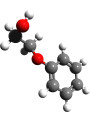
- Preservative: This is a water-based formula with multiple ingredients and no thickeners, making it susceptible to microbial contamination. It is absolutely necessary to add a preservative such as Phenoxyethanol (Sepicide LD®) at 0.5-1.0% to prevent spoilage and potential harm to the skin.
- Disodium EDTA: You should add Disodium EDTA (0.1-0.2%) to help stabilize Vitamin C and other ingredients. It should be dissolved in the water phase before adding other ingredients.
- Precipitation: If ingredients are not fully dissolved or if L-ascorbic acid degrades, precipitation may occur. Ensuring ingredients are fully dissolved and controlling pH and storage conditions will help reduce this issue.
- Mixing with Room Temperature Water: Most ingredients can dissolve in room temperature water. Gentle heat (below 60°C briefly) can help dissolve Urea if needed. However, L-ascorbic acid should be added in the final step after the mixture has cooled below 30°C to maintain its effectiveness.
Summary of Recommendations for Your Formula:
- Adjust Concentrations: Consider increasing Vitamin B3 to 5% and potentially reducing Urea to 5-10% for easier formula management.
- Add Essential Ingredients: You must add Disodium EDTA (0.2%) and a preservative (e.g., Phenoxyethanol 0.5-1.0%).
- Mixing Procedure:
- Dissolve Disodium EDTA in water.
- Dissolve Urea, Vitamin B3, and Glucosamine in the water (gentle heat below 60°C can help dissolve Urea if needed).
- Allow the mixture to cool below 30°C.
- Add L-ascorbic acid and stir or shake until fully dissolved.
- Add the preservative (Phenoxyethanol) and mix thoroughly.
- Measure the pH and adjust it using an alkaline solution (e.g., Sodium Hydroxide) to a pH range of 3.5-4.0.
- Storage: Store in an opaque, tightly sealed container in the refrigerator to extend shelf life.
This formula can be made as a water-based solution without thickeners, but controlling the pH and adding a preservative are absolutely crucial for safety and effectiveness.
Related Products Mentioned
GlucoBright™ (Acetyl Glucosamine)
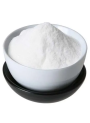
Vitamin C (L-ascorbic acid) (Fine)
Urea (High Purity, Cosmetics, Powder)
Disodium EDTA
Lactic Acid (AHA) 90%