Brightening Lotion Formula Review
Question
I want to create a lightweight brightening lotion for the face that also provides a cosmetic effect. I've added Mica to the formula to give the skin an immediate dewy glow. I have a few questions about the formula: 1. Is the formula compatible? Which ingredients are incompatible and how should I adjust? 2. Will using Mica in the formula provide a skin glow effect, and is the amount used appropriate? 3. Are there any ingredients with redundant functions? Here is my ingredient list: 1,3-Propanediol (Natural) 5.00%, Ethoxydiglycol 2.50%, Hyaluronic Acid (Small Molecule) 0.30%, Dimethyl Isosorbide (DMI) 3.00%, Phenoxyethanol (Extra Pure) 0.30%, 1,2-Hexanediol (Super-Purified, Odorless) 3.00%, Cyclotetrasiloxane (OctamethylCyclotetrasiloxane) 5.00%, SiliSolve Plus™ (Lauryl PEG-9 Polydimethylsiloxyethyl Dimethicone, Odorless) 3.00%, Pearl Blue Mica ขาวมุก เหลือบฟ้า (ขนาด A) 1.00%, Pearl Purple Mica ขาวมุก เหลือบม่วง (ขนาด A) 1.00%, Pearl Gold Mica ขาวมุก เหลือบทอง (ขนาด B) 0.50%, Perfect-C™ (Ascorbyl Tetraisopalmitate) 5.00%, Disodium EDTA 0.20%, Protec™ OX (Pentaerythrityl tetra-di-t-butyl hydroxyhydrocinnamate) 0.05%, Protec™ UV (Benzotriazolyl Dodecyl p-Cresol) 0.10%, Activated Resorcinol™ 1.00%, Licorice Extract (Glabridin 4.5%, Water-Soluble) 2.00%, 4MSK (Potassium Methoxysalicylate) 3.00%, AnyGel™ 2.00%, น้ำกลั่น ให้ครบ100%. Thank you.
Answer
Brightening Lotion Formula Review
Here is a review of your proposed lightweight brightening lotion formula, addressing your questions about compatibility, Mica usage, and ingredient redundancy.
Formula Compatibility and Adjustments
Overall, the formula contains several effective ingredients for brightening and skin conditioning. However, there are a few key compatibility issues and areas for adjustment:
- Cyclotetrasiloxane: This ingredient is not permitted for use in cosmetic products according to the product description. It must be replaced with a cosmetic-approved silicone or emollient suitable for leave-on skin products, such as Cyclopentasiloxane or a blend of cosmetic-grade silicones.
- Emulsion System (SiliSolve Plus and AnyGel): The formula includes both SiliSolve Plus (a water-in-oil/silicone binder) and AnyGel (a water gelling agent). This combination is generally not compatible for creating a stable, lightweight emulsion. SiliSolve Plus is designed to create W/O or W/Si emulsions, where water is dispersed within an oil/silicone phase. AnyGel thickens the water phase. Using both can lead to instability and separation.
- Recommendation: Choose one system. If you want a lightweight, water-based gel-lotion, remove SiliSolve Plus and Cyclotetrasiloxane, and use AnyGel as your primary thickener with a suitable O/W emulsifier if needed for any oil-soluble components. If you intend a W/O or W/Si emulsion for a different skin feel, remove AnyGel and ensure SiliSolve Plus is used correctly to emulsify the water phase into the oil/silicone phase (after replacing Cyclotetrasiloxane). For a lightweight lotion, an O/W system with AnyGel is often preferred.
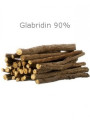
- Licorice Extract Solubility: The product description for Pure-Glabridin™ Licorice Extract (Glabridin 90%) states it is only soluble in Butylene Glycol or Ethanol, not water or oil. If your "Licorice Extract (Glabridin 4.5%, Water-Soluble)" is based on this high-concentration Glabridin, it will not dissolve properly in the water phase of your formula as written.
- Recommendation: Confirm the solubility of your specific Licorice Extract. If it is the Glabridin 90% type, you would need to dissolve it in a sufficient amount of Butylene Glycol or Ethanol first before incorporating it, which might require adjusting other ingredients. If it is a different, truly water-soluble licorice extract, it should integrate into the water phase correctly.
- pH Level: For optimal efficacy and stability of Activated Resorcinol and Perfect-C, the final pH of the formula should be adjusted to be within the range of 4.5-5.5. Disodium EDTA helps maintain stability within this range.
Mica Usage for Glow
Yes, the inclusion of Mica will provide a cosmetic effect, giving the skin an immediate glow due to light reflection.
- You are using a combination of Mica sizes (Size A for lower gloss and Size B for shimmer) at a total concentration of 2.5%. This is within the typical usage range (1-3%) for products like BB/CC creams aiming for a similar effect. This concentration should provide a noticeable "dewy glow" without appearing overly glittery.
- Ensure the Mica powders are well dispersed, ideally in the oil/silicone phase using the SiliSolve Plus binder (if keeping that system) or a suitable dispersing agent in an O/W system, to prevent settling and ensure an even application of shimmer.
Redundant Ingredients
Your formula contains several ingredients with similar functions:
- Penetration Enhancers: You have included Ethoxydiglycol (2.5%), Dimethyl Isosorbide (DMI) (3.0%), and 1,2-Hexanediol (3.0%). All three can enhance the penetration of other ingredients into the skin. While combining penetration enhancers can improve delivery, a total of 8.5% might be higher than necessary and could potentially increase the risk of skin irritation, especially when combined with potent actives like Activated Resorcinol and Perfect-C.
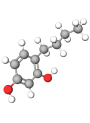
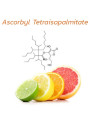
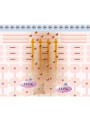
- Whitening Agents: The formula includes four potent whitening agents: Perfect-C (Ascorbyl Tetraisopalmitate), Activated Resorcinol, Licorice Extract (Glabridin), and 4MSK (Potassium Methoxysalicylate). These ingredients work through different mechanisms to target hyperpigmentation. Activated Resorcinol and Licorice Extract (Glabridin) both primarily inhibit tyrosinase, representing some overlap in mechanism, although Glabridin also offers anti-irritant benefits. Perfect-C provides antioxidant and collagen-boosting effects in addition to inhibiting melanin production. 4MSK works by destroying melanocytes.
- While combining multiple whitening agents can be highly effective, using four at these concentrations (especially Activated Resorcinol at its maximum recommended level) increases the potential for skin irritation.
- Consideration: Evaluate if all four are necessary to achieve the desired brightening effect or if optimizing the concentration or selection of two or three key actives might provide sufficient efficacy with a lower risk of irritation.
In summary, the primary issues are the use of Cyclotetrasiloxane (not allowed in cosmetics) and the potentially incompatible emulsifier/thickener system. Address these first, then fine-tune the penetration enhancers and whitening agents based on desired performance and skin tolerance. Ensure the pH is adjusted correctly and Mica is well-dispersed.
Related Products Mentioned
Ethoxydiglycol (e.q. Transcutol)
Phenoxyethanol (Extra Pure)
Disodium EDTA
Double Hyaluron Liquid
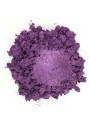
Purple Mica (Size A)
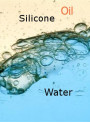
SiliSolve Plus™
4MSK (Potassium Methoxysalicylate)
AnyGel™ (Dehydroxanthan Gum)