Brown residue or tissue after using mouthwash
Question
Hello,
I would like to ask about mouthwash.
Ingredients:
- Aloe BARBADIANS EXTRACT
- glycerin
- PANAX GINSENG ROOT EXTRACT
- GLYCYRRHIZA GLABRA ROOT EXTRACT
- ARCTIUM LAPPA ROOT EXTRACT
- BAMBUSA VULGARIS EXTRACT
- GANODERMA LUCIDUM EXTRACT
- XYLITOL
- SORBITOL
- TEA POLYPHENOLS (Camellia Sinensis Leaf Extract)
- Polysorbate 80
- N-ETHYL-PAPA-MEM-THAN3-CARBOXAMIDE
- Water
Which ingredient makes it so that when rinsing out the mouthwash, brown tissue comes out?
Answer
Hello!
The phenomenon of expelling brown residue or tissue after using mouthwash is often caused by certain ingredients reacting with proteins and mucus in your mouth.
From the list you provided, several plant extracts could potentially contribute to this, especially those rich in tannins or polyphenols.
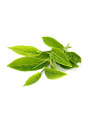
The most common culprit for this specific effect is Tea Polyphenols (Camellia Sinensis Leaf Extract), also known as Green Tea Extract. Tannins in green tea can cause proteins in saliva and dead skin cells in the mouth to coagulate, forming visible particles or "tissue" that you then rinse out.
Other plant extracts like Ginseng, Licorice, Burdock, Bamboo, or Reishi Mushroom extracts might also have some astringent properties, but Green Tea Extract is the most likely cause among the ingredients listed.
This reaction is generally harmless and simply indicates that the ingredient is interacting with substances in your mouth.
Updated Review: May 2026
This section was added after reviewing the original answer against current product availability and formulation knowledge at the stated point in time.
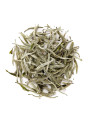
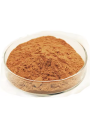
As of 2026-05-17: The information about tea polyphenols causing visible coagulation in mouthwash remains scientifically valid. Multiple green and white tea extract products are currently available, including Hi-EGCG™ (Green Tea Extract), White Tea Extract, and White Tea Absolute. These extracts contain high levels of polyphenols and tannins which can bind to oral proteins, potentially forming visible particles during rinsing. For formulation, note that these ingredients require careful handling: use at pH 3.5–7.0, add in the final cooling phase below 40°C, protect from light, and avoid combining with metal ions or vitamin E to maintain stability.
Related Products Mentioned
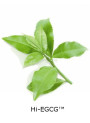
Hi-EGCG™ (Green Tea Extract)
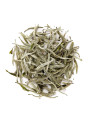
White Tea Absolute