Brush Mousse Liquid Separation Issue
Question
How to prevent liquid separation (syneresis) in a silicone/oil-based brush mousse formula containing high powder load? Is Silicone Blender necessary, and what silicones are recommended for this formula?
Answer
Brush Mousse Formula Syneresis
It sounds like your brush mousse formula is experiencing syneresis, which is when the liquid phase separates slightly from the solid components, even if the overall texture hasn't fully broken. This is common in powder-in-oil or powder-in-silicone systems like yours.
The formula contains a high percentage of powders (Talc Powder (10 Micron, Silane Coated) and Mica Powder (9 Micron, Silane Coated)) dispersed in a liquid phase composed of various silicones (Silicone Gel (Thick & Smooth, Cyclopentasiloxane Base), Cyclopentasiloxane (Low-Odor Cyclomethicone)) and light emollients (Isohexadecane, Isododecane (Germany), LipidSoft™ Disperse). Syneresis occurs when the solid network or gelling agent isn't strong enough to fully hold and immobilize the liquid phase over time or under stress (like temperature changes or storage).
Here are the answers to your questions:
How to fix the liquid separation:
- The primary way to prevent syneresis in this type of formula is to increase the stability of the liquid phase and improve the suspension of the powders.
- Consider increasing the percentage of the gelling agent, Silicone Gel (Thick & Smooth, Cyclopentasiloxane Base). This ingredient forms a network that traps the liquid silicones and oils. Increasing its concentration can create a more robust structure.
- Ensure your mixing process is effectively dispersing the powders into the liquid phase. Proper dispersion is key to preventing settling and subsequent syneresis.
- Adding a dedicated suspending or stabilizing agent designed for silicone/oil systems can be very effective.
- Silicone Blender is a component that can help (see answer to question 2).
Is Silicone Blender necessary?
- Based on its description, Silicone Blender is designed to help blend different silicones and, importantly, to increase the stability of silicone/oil formulas and prevent separation.
- While not strictly necessary for every formula, in a system like yours with a high powder load and multiple liquid components experiencing syneresis, adding Silicone Blender at its recommended usage rate (typically 2-5%) would likely be very beneficial. It can act as a binder to help keep the silicone and oil phases together and improve the overall stability and suspension of the powders, directly addressing your syneresis issue.
Recommended silicones for the formula:
- Your current formula already uses suitable silicones like Silicone Gel (Thick & Smooth, Cyclopentasiloxane Base) and Cyclopentasiloxane (Low-Odor Cyclomethicone), which provide the desired texture and feel.
- To address the syneresis problem, the most relevant silicone addition would be Silicone Blender. Its function is specifically to improve the stability and prevent separation in silicone/oil systems, making it an excellent candidate for your formula.
- You could also explore other silicone elastomers or thickeners if increasing the current Silicone Gel isn't sufficient or changes the texture too much, but Silicone Blender is a good starting point for improving stability.
In summary, to fix the liquid weeping, focus on enhancing the stability of your silicone/oil phase and improving powder suspension. Adding Silicone Blender is a recommended approach, and you could also try slightly increasing the Silicone Gel percentage. Ensure thorough mixing during manufacturing.
Related Products Mentioned
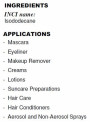
Isododecane (Germany)
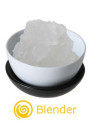
Silicone Blender
Mild Preserved Eco™ (Preservative-Free)

Isohexadecane
Mica Powder (9 Micron, Silane Coated)