Bubble Mask Formulation and Mixing with Bubble Max
Question
Could you provide information and mixing instructions for the sample bubble mask formulation using Bubble Max™?
Answer
Formula Analysis and Mixing Guidance for Bubble Mask
This formula is designed for a bubble face mask, featuring ingredients that cleanse, moisturize, and create a unique foaming action upon application.
Key Ingredients and Functions
- Bubbling Agents: The core of the bubble effect comes from Methyl Perfluorobutyl Ether and Methyl Perfluoroisobutyl Ether, often supplied as a blend like Bubble Max™ LT or Bubble Max™ X. These volatile ingredients absorb gas and release it as micro-bubbles on the skin.
- Cleansing Agents: The formula includes several surfactants such as Potassium Cocoate, Potassium Cocoyl Glycinate, Cocamidopropyl Betaine, Sodium Cocoyl Apple Amino Acids (like Apple-Foam™), and Sodium Lauroyl Oat Amino Acids. These work together to cleanse the skin and also react with the bubbling agents to enhance foam formation.
- Moisturizers & Humectants: Ingredients like Water, Glycerin, Sorbitol, Butylene Glycol, PolyGlutamic Acid, Glutamic acid (like L-Glutamic acid), and Biosaccharide gum-2 help to hydrate the skin and prevent dryness.
- Thickener: Acrylates copolymer is likely used to thicken the formula and provide stability.
- Solubilizers/Emulsifiers: PEG-40 Hydrogenated Castor Oil, PEG-60 Hydrogenated Castor Oil, and PPG-26 Buteth-26 help to blend ingredients and may contribute to cleansing.
- Active Ingredients: Ethyl Ascorbic Acid (a stable Vitamin C derivative) offers brightening and antioxidant benefits, while Caffeine (potentially Encapsulated Caffeine) can help stimulate circulation.
- Other Ingredients: Disodium EDTA acts as a chelating agent, Potassium Hydroxide adjusts pH, DMDM Hydantoin and Iodopropynyl Butylcarbamate, and Phenoxyethanol are preservatives, Perfume provides fragrance, and Fomes Officinalis extract is included for its astringent properties.
Mixing Method Considerations
The ingredient list does not provide specific percentages or a full step-by-step mixing guide for the entire formula. However, based on the properties of the key bubbling agents (Bubble Max™ LT / Bubble Max™ X), the following mixing instructions are critical:
- Add Bubble Max™ Last: The bubbling agent (Methyl Perfluorobutyl Ether and Methyl Perfluoroisobutyl Ether) must be added to the formula in the final step.
- Avoid Heat: Do not expose the formula to heat above 40°C after adding the bubbling agent. It is recommended to keep the temperature below 30°C during mixing.
- Use Low-Speed Mixing: Mix the bubbling agent into the formula using a normal blender at a low speed, just enough to disperse it evenly. Do not mix in a vacuum pot.
- Ensure Detergent Presence: The formula must contain sufficient detergent (surfactants) for the bubbling agent to react and produce foam effectively.
- Proper Storage: The finished product should be stored in vacuum-sealed or airtight packaging to prevent the volatile bubbling agents from evaporating.
For a precise mixing procedure for the entire formula, you would need the exact percentage of each ingredient and detailed instructions from the formula developer. However, following the specific handling instructions for the bubbling agents is essential for the product's performance.
Updated Review: May 2026
This section was added after reviewing the original answer against current product availability and formulation knowledge at the stated point in time.
Update 2026-05-24: The previous handling advice for Bubble Max™ remains current. Bubble Max™ LT is the option for a more gradual, longer-lasting bubble effect, while Bubble Max™ X is for a quicker burst bubble effect; both are based on Methyl Perfluorobutyl Ether and Methyl Perfluoroisobutyl Ether.
For lab trials, start around the current catalog range of 5–8% and adjust by bubble performance, feel, viscosity, and storage testing. Add Bubble Max™ only at the final step after the base has cooled; keep below 40°C, preferably below about 30°C. Mix gently at low speed only until uniform, and do not vacuum-mix or vacuum-deaerate after addition, because the volatile bubbling phase may be pulled out of the formula.
Bubble Max™ should be dispersed/emulsified into a formula that is thick enough to prevent separation; it should not be treated like a normal water-soluble surfactant. A suitable detergent/surfactant or foam-supporting base is still needed for strong visible self-foaming. Fill promptly into airtight, airless, or vacuum-sealed packaging to reduce evaporation and preserve the bubble effect. Do not substitute other perfluorinated emollient/oil materials as if they were Bubble Max™. Also check the target-market cosmetic rules and customer requirements for perfluorinated/PFAS-type ingredients before launch.
Related Products Mentioned

Glycerin (USP/Food Grade)
Phenoxyethanol (Extra Pure)
Cocamidopropyl Betaine
Disodium EDTA
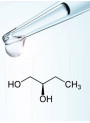
Butylene Glycol

Bubble Max™ LT (Long-Lasting Bubble)
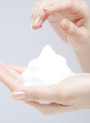
Apple-Foam™
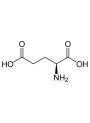
L-Glutamic acid
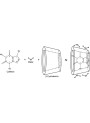

Bubble Max™ X (Quick Burst Bubble)