CC Cushion Formulation Issues: Texture, Stability, Washability, and SPF
Asked by: aon.ohn
On: May 25, 2016
Product Type:
Cosmetics
Answered
Question
I am developing a CC Cushion formula using Water-in-Oil EZ™ and encountering several issues:
- Texture: The formula is too thick and sticky, making it difficult to spread. I used
Oil Thick™and other oil-phase ingredients. - Stability: The formula separates, and I observe yellowing, possibly from
SPF Protect Ultra™. Water also seems to evaporate and collect on the lid. - Washability: The product is very waterproof and hard to wash off, even with cleansing water.
- SPF Claim: How can I achieve and claim SPF 50? I am using
SPF Protect Ultra™,Titanium Dioxide Nano EasyDisperse™, andMatteSilica™. - Emulsifier Limit: Is the 35% oil limit for Water-in-Oil EZ™ strict? My calculation shows the oil phase is around 70% of the liquid portion.
- Ingredient Addition: Can I add whitening agents?
- Mixing Equipment: What type of mixer is suitable for this formula?
I need advice on adjusting the formulation to improve texture, stability, and washability, as well as guidance on SPF claims and ingredient compatibility.
Answer
Formulation Advice for CC Cushion
Based on your questions and formulation attempts, here is some advice to help you achieve the desired CC cushion texture and properties:
Addressing Texture, Stickiness, and Spreadability
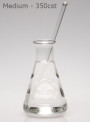
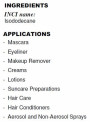
- Stickiness and Thickness: The stickiness and thick texture you experienced are likely due to the high percentage of oil thickeners like Oil Thick™ and potentially the overall oil phase composition. To get a lighter, less sticky, and more spreadable texture, you should reduce the amount of Oil Thick™. You can replace the reduced amount with lighter, volatile oils/silicones such as Isododecane or Dimethicone (Light, Low-Odor). These ingredients help the formula spread easily and feel less heavy.
- Achieving Liquid Texture: For a very liquid texture suitable for a cushion, you need a high proportion of volatile oils/silicones and a lower viscosity overall. The staff's suggested formula structure using Water-in-Oil EZ™ with a higher water phase percentage (at least 65% of the liquid portion) is crucial for stability in a W/O emulsion. If you aim for a very liquid, oil-dominant formula with high powder load, achieving stability without separation can be challenging. You might need to experiment significantly with the oil-to-water ratio and the emulsifier percentage.
Addressing Separation
- Separation Issues: Separation, especially the yellowing observed with SPF Protect Ultra™, indicates that the formula is not stable. This can happen if the oil and water phases are not in a suitable ratio for the emulsifier (Water-in-Oil EZ™) or if the powders/UV filters are not properly dispersed and suspended. The staff correctly pointed out that a low water percentage relative to the oil phase is a major cause of instability with Water-in-Oil EZ™. Ensuring the water phase is at least 65% of the total liquid is important for this emulsifier.
- Suspending Powders: Ingredients like Hectorite Oil Gel are designed to help suspend powders and pigments, preventing settling and separation. If you are experiencing separation of powders or UV filters, you may need to adjust the amount of a suitable suspending agent and ensure proper mixing.
Washability
- Difficulty Washing Off: The formula being very waterproof and hard to wash off is likely due to the presence of film-forming ingredients and water-resistant components like certain silicones (e.g., Dimethicone) and treated powders (like Titanium Dioxide Nano EasyDisperse™). If you want easier washability, you might need to reduce the percentage of these ingredients. However, this will likely reduce the formula's longevity and water resistance.
- MatteSilica™: Adding MatteSilica™ helps absorb oil and provides a matte finish, but it does not significantly improve the washability of a waterproof formula.
Other Questions
- Preservative: Using Phenonip® P4 at 0.5% is generally sufficient for preserving cosmetic formulas, including those with low water content.
- Whitening Agents: You can add whitening agents, but be aware that some, especially water-soluble ones, might increase the stickiness of the formula and could affect stability in a W/O emulsion. Consider using oil-soluble whitening agents if possible and test for compatibility and feel.
- SPF Claim: Achieving a specific SPF value like SPF 50 requires careful formulation with appropriate UV filters (like SPF Protect Ultra™, Titanium Dioxide Nano EasyDisperse™, Zinc Oxide, Ethylhexyl Methoxycinnamate, 4-methylbenzylidene camphor) at sufficient concentrations and in the right combinations. High powder content can contribute to SPF. However, to legally claim an SPF value, the formula must be tested according to regulatory standards. As user C7 mentioned, testing methods and regulations vary by country, and achieving a high SPF often requires specific expertise and formulation techniques. It is not recommended to claim an SPF value without proper testing.
- Emulsifier Oil Limit: The 35% oil recommendation for Water-in-Oil EZ™ is a guideline. While it might be possible to emulsify higher oil percentages, it increases the risk of instability and separation, especially with challenging ingredients like high powder loads or certain UV filters. The calculation showing 70% oil in the liquid phase highlights why your formula was unstable.
- Mixing Equipment: For proper emulsification and powder dispersion, especially in W/O systems, an overhead stirrer with a dissolver/disperse head is recommended. This type of head provides the necessary shear force. For small batches, a powerful drill with a suitable dissolver head can be a cost-effective alternative, as suggested by user C7.
- Water Evaporation: Water evaporating and collecting on the lid indicates that the W/O emulsion is not fully stable and the water phase is not completely encapsulated by the oil phase. This points back to issues with the emulsification process, the ratio of oil and water, or the overall formula balance. Ensure you are following the correct mixing procedure and that your formula composition is suitable for the emulsifier used.
Formulating a stable and pleasant-feeling CC cushion with high coverage and SPF requires careful balancing of ingredients and proper mixing techniques. Continue to adjust the percentages of emollients, silicones, thickeners, and the oil/water ratio, testing small batches until you achieve the desired texture and stability.
Related Products Mentioned
Vitamin E (Tocopheryl Acetate)
Cosmetics
Light Cream Maker™
Cosmetics
Dimethicone (Medium/350, Low-Odor)
Cosmetics
Isododecane (Germany)
Cosmetics
MakeGlow™ Powder (Bismuth Oxychloride)
Cosmetics
LipidSoft™ CC (Cetyl Ethylhexanoate)
Cosmetics
Beige Iron Oxides EasyMix™
Cosmetics
MatteSilica 5™ (5 Micron)
Cosmetics
Hectorite Gel™ (Mineral Oil Base)
Cosmetics

Purified Water, TDS Limit 1PPM)
Cosmetics

Para-Preserve (eq. Phenonip P4)
Cosmetics