Challenges in Formulating Whitening Lotion with L-Ascorbic Acid and Sunscreen (SPF Protect Ultra II) by Hand
Question
I am trying to make a lightweight, non-greasy whitening body lotion with Vitamin C and sunscreen by hand. I previously used Tween20 but switched to Butter Cream Maker. My revised formula uses L-ascorbic acid (Vitamin C) powder and I plan to add SPF Protect Ultra II at 10%. I do not have a blender, so I am mixing by hand.
My formula contains 65.5% water.
I tried adjusting the pH using Beeswax or adding more Vitamin C powder, but I'm unsure if this is correct.
How can I achieve a stable formula with effective L-ascorbic acid and SPF Protect Ultra II using hand mixing? What are the challenges with my current approach?
Answer
Formula Review and Recommendations
Thank you for sharing your revised formula and goals. It's great that you are experimenting with making your own skincare!
Based on your revised formula and your goal of a lightweight, non-greasy whitening lotion with sunscreen using Vitamin C, here is a review and some recommendations:
Review of Your Revised Formula
Your revised formula is a step closer, particularly by replacing Tween20 with Butter Cream Maker, which is more suitable for emulsifying oils. However, there are still a few key challenges:
- Vitamin C Stability: You are using L-ascorbic acid (Vitamin C). As mentioned previously, this form of Vitamin C is highly unstable, especially in water-based formulas, and requires a very low pH (ideally 3.0-4.0, and above 3.5 for skin safety) to remain effective for a reasonable time. While your formula contains oils, the high percentage of water (65.5%) means the Vitamin C is primarily in the water phase, where it will quickly degrade. The presence of oils doesn't solve this inherent instability in a water-rich environment.
- pH Adjustment: Your method for adjusting pH using Beeswax or Vitamin C powder is not correct. Beeswax is an emulsifier/thickener, not a pH adjuster. Adding more Vitamin C would lower the pH, which is only needed if the pH is too high. pH should be adjusted using acidic or alkaline solutions (like Citric Acid or Sodium Hydroxide solution) to bring it into the desired range (pH 3.0-4.0 for L-ascorbic acid efficacy, but note this pH might be irritating for some skin). Maintaining this low pH is crucial for L-ascorbic acid but can be challenging in a lotion base and may cause skin irritation.
- Preservative: Your formula does not include a preservative. Any formula containing water must have a broad-spectrum preservative to prevent bacterial and fungal growth, which can make the product unsafe to use.
- Texture: While Butter Cream Maker is a suitable emulsifier, 5% Beeswax and 2% Butter Cream Maker might result in a thicker cream rather than a lightweight lotion.
Adding Sunscreen (SPF Protect Ultra II) Without a Blender
You asked about adding SPF Protect Ultra II at 10% without a blender. SPF Protect Ultra II is an oil-soluble sunscreen that requires heating (70-80°C) and vigorous blending for at least 15 minutes to properly disperse and form a stable emulsion that provides effective sun protection. Attempting to incorporate it by hand mixing is highly unlikely to result in a stable formula with reliable SPF protection. The sunscreen particles will not be evenly dispersed, leading to poor efficacy and potential separation of the lotion.
Achieving effective and stable sun protection in a handmade lotion without specialized equipment like a high-shear blender is very challenging.
Recommendations for a Stable Whitening Lotion with Vitamin C and Sun Protection
Given the challenges with L-ascorbic acid and incorporating sunscreen without a blender, here are some recommendations to achieve your goal of a lightweight, non-greasy whitening body lotion with Vitamin C and sun protection:
Choose a Stable Vitamin C Derivative: Instead of L-ascorbic acid powder, consider using a more stable Vitamin C derivative that is easier to formulate with in a lotion and provides excellent whitening benefits. Options include:
- Ascorbyl Glucoside (AA-2G): Water-soluble, good stability (especially at pH 6.5-6.8), and effective for whitening and anti-aging. Requires pH adjustment but is much more stable than L-ascorbic acid powder in water.
- Ethyl Ascorbic Acid: Water-soluble, highly stable, easy to mix, and effective for whitening. Works in a wider pH range (3.5-6.0).
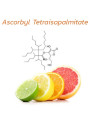
- Perfect-C™ (Ascorbyl Tetraisopalmitate): Oil-soluble, highly stable, and very effective for whitening and anti-aging. This would require formulating with a suitable oil phase and emulsifier.
Using a stable derivative will significantly improve the shelf life and effectiveness of your whitening ingredient compared to L-ascorbic acid powder in a lotion.
Select a Suitable Emulsifier for Lightweight Texture: To achieve a lightweight, non-greasy feel, consider emulsifiers designed for lotions or lighter creams. While Butter Cream Maker can work, you might explore options like Light Lotion Maker or Milk Lotion Maker, which are often formulated to create lighter textures.
Include a Preservative: You absolutely need to add a broad-spectrum preservative to protect your formula from microbial contamination. Suitable options that work in a range of pH values include Global Guard 221 or Mild Preserved COS. Add the preservative during the cooling phase (below 45°C) according to the product's recommended usage rate.
Sunscreen Considerations: As mentioned, incorporating sunscreens like SPF Protect Ultra II effectively requires blending. If you cannot use a blender, achieving reliable SPF protection in your lotion will be difficult. You might consider using a separate sunscreen product or managing your expectations for the level of protection in a hand-mixed formula. If you still wish to try adding some sun protection by hand, you would need to ensure the sunscreen is fully dispersed in the oil phase before emulsification, but stability and even coverage will be compromised.
Suggested Approach for a Stable Lotion (Conceptual)
Here is a conceptual outline for a stable whitening lotion using a stable Vitamin C derivative and including a preservative. Adding effective sunscreen without a blender remains a significant challenge.
- Water Phase: Purified Water, Glycerin, Stable Vitamin C derivative (e.g., Ascorbyl Glucoside or Ethyl Ascorbic Acid)
- Oil Phase: Lightweight Carrier Oils (like Sunflower Oil), Emulsifier (e.g., Light Lotion Maker, Milk Lotion Maker, or a lower percentage of Butter Cream Maker), Vitamin E Acetate
- Cooling Phase (below 45°C): Preservative (e.g., Global Guard 221 or Mild Preserved COS)
General Steps (Hand Mixing):
- Combine water phase ingredients and stir until dissolved. Adjust pH if necessary for the chosen Vitamin C derivative.
- Combine oil phase ingredients and heat gently (around 70-75°C) to melt any solids (like Beeswax, if used) and help emulsifier activation. Stir to combine.
- Slowly add the water phase to the oil phase while continuously stirring vigorously by hand until an emulsion forms. Continue stirring as the mixture cools.
- Once the mixture has cooled below 45°C, add the preservative and any heat-sensitive ingredients (like Vitamin E Acetate if not added in the oil phase, although it's typically oil-soluble). Stir well.
- Continue stirring occasionally until the lotion reaches room temperature and thickens.
Remember that achieving a perfectly smooth and stable emulsion by hand can be difficult compared to using a blender or homogenizer.
To address your specific situation with having L-ascorbic acid powder, you could explore anhydrous (water-free) serum formulas that are more suitable for this ingredient, but this would not be a lotion and would have a different feel.
I hope this detailed explanation helps you understand the challenges and guides you toward a more stable and effective formula for your whitening lotion with Vitamin C and potential sun protection.
Related Products Mentioned
Vitamin E (Tocopheryl Acetate)

Olive Oil (Extra Virgin)
Vitamin C (L-ascorbic acid) (Ultra-Fine)
Vitamin C (L-ascorbic acid) (Fine)
Glycerin (USP/Food Grade)

Purified Water, TDS Limit 1PPM)

Vitamin C (L-ascorbic acid) (Standard)

Milk Lotion Maker™
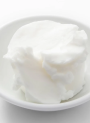
Butter Cream Maker™

SPF Protect Ultra™ II
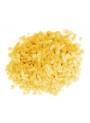
Yellow Beeswax
Light Lotion Maker
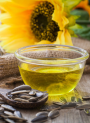
Sunflower Oil (High Omega, Refined)