Chemical Sunscreen Formulation (Biore UV Aqua Rich Style) and Alcohol Effects
Question
I want to create a chemical sunscreen formula that is lightweight and fast-drying, similar to Biore UV Aqua Rich Watery Essence. I previously had issues with physical filters. The expert mentioned that the lightweight texture of Biore is due to alcohol, not Dimethicone.
Based on this, I have some questions regarding formulating a chemical sunscreen with a watery, fast-drying texture and the use of alcohol:
- What are the key chemical sunscreen filters needed to achieve high SPF and PA++++?
- What ingredients and approximate percentages are needed to achieve the desired watery, fast-drying, non-greasy texture?
- Specifically, what is the role of Ethyl Alcohol, LipidSoft (e.g., LipidSoft C1215 or LipidSoft Lite), and Dimethicone (Light or Very Light viscosity) in achieving this texture?
- What type and percentage of preservative is recommended for this type of formula?
- Can you provide a conceptual formula example with approximate percentages?
- Regarding the use of alcohol:
- If I use alcohol for fast drying, will it degrade previously applied skincare ingredients?
- Will continuous use of alcohol harm the skin, even if I don't feel dryness like with Biore?
- Can I use pharmacy 70% alcohol instead of cosmetic grade alcohol?
Answer
Chemical Sunscreen Formula (Biore UV Aqua Rich Style)
Based on the characteristics of Biore UV Aqua Rich Watery Essence and the ingredients discussed, the lightweight, fast-drying, non-greasy feel is largely due to the inclusion of alcohol. To create a similar chemical sunscreen formula and address your previous issues with physical filters, consider the following approach:
Key Sunscreen Filters
A chemical sunscreen formula aiming for high SPF and PA++++ typically uses a combination of filters. Based on the discussion, key filters include:
- OMC (Octinoxate / Ethylhexyl Methoxycinnamate): Provides strong UVB protection. Use up to 10%.
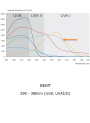
- BEMT (Bis-Ethylhexyloxyphenol Methoxyphenyl Triazine): A broad-spectrum filter covering both UVA and UVB, known for its stability. Use around 3%.
- DHHB (Diethylamino Hydroxybenzoyl Hexyl Benzoate): Primarily a UVA filter, also very stable. Use around 5% to help achieve high UVA protection (PA++++).
- Octocrylene: An alternative UVB filter that can also help stabilize other filters like Avobenzone (though Avobenzone wasn't the focus here, Octocrylene is a common chemical filter).
Texture and Feel Components
To achieve the watery, fast-drying texture:
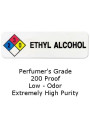
- Ethyl Alcohol (96% or 99.9%): This is crucial for the quick-drying, lightweight feel. It evaporates rapidly, leaving the other ingredients behind. A significant percentage (e.g., 30-40%) would be needed, similar to many watery essence sunscreens.
- LipidSoft (e.g., LipidSoft C1215 or LipidSoft Lite): These are light emollients that help dissolve the chemical sunscreen filters and provide a smooth, non-greasy feel. LipidSoft C1215 (C12-15 alkyl benzoate) is a good solvent for sunscreens. LipidSoft Lite (Isononyl Nonanoate) is a very light option that can mimic the feel of some silicones without being a silicone. Use around 5-10%.
- Dimethicone (Light or Very Light viscosity): A small amount (e.g., 1-3%) can add slip and a silky feel without heaviness. Lighter viscosity options like Dimethicone (Light/50) or Dimethicone (Very Light/5) would be suitable.
- Purified Water: Forms the base of the watery texture.
Preservative
- Phenoxyethanol: A common and effective preservative, typically used at 0.5-1%.
Conceptual Formula Example (Approximate %)
This is a starting point and requires testing and adjustment:
- Purified Water: 30-40%
- Ethyl Alcohol (96% or 99.9%): 30-40%
- OMC: 10%
- BEMT: 3%
- DHHB: 5%
- LipidSoft C1215 or LipidSoft Lite: 5-10%
- Dimethicone (Light/50 or Very Light/5): 1-3%
- Phenoxyethanol: 0.5-1%
- (Optional: Small amounts of emulsifier and thickener suitable for high alcohol content to ensure stability and desired consistency)
This type of formula would likely be a lightweight emulsion. The high alcohol content contributes significantly to the quick-drying, non-greasy finish you desire.
Questions about Alcohol
- Does alcohol degrade previously applied skincare ingredients? Alcohol primarily affects the skin barrier by dissolving lipids, which can impact how subsequent or previously applied ingredients are absorbed or function. While it doesn't necessarily chemically degrade all ingredients, it can alter the skin environment in a way that might reduce the intended benefits of some sensitive actives. The main concern is its effect on the skin itself.
- Does continuous use of alcohol harm the skin? For many people, especially those with dry or sensitive skin, continuous use of high-alcohol products can lead to dryness, irritation, and a compromised skin barrier over time. Even on oily skin, it can potentially cause irritation or a rebound effect where the skin produces more oil. Your experience with Biore not causing dryness might be due to other moisturizing ingredients in its full formula balancing the alcohol's effect, or your individual skin tolerance.
- Can pharmacy 70% alcohol be used? Pharmacy 70% alcohol is Ethyl Alcohol diluted with water, often containing added colorants. While it is alcohol, the added color could affect the appearance of your final product. Cosmetic grade Ethyl Alcohol (96% or 99.9%) is generally preferred for formulation due to its purity and lack of additives.
Creating a stable and effective sunscreen requires careful formulation, including selecting appropriate emulsifiers and potentially thickeners that are compatible with high alcohol concentrations and the chosen UV filters. Stability testing and SPF/PA testing are essential for a final product.
Related Products Mentioned
Phenoxyethanol (Extra Pure)
Dimethicone (Medium/350, Low-Odor)
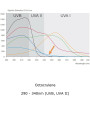
Octocrylene
Dimethicone (Light/50, Low-Odor)
Purified Water, TDS Limit 1PPM)