Choosing Aroma Chemicals for Jasmine Scent
Question
I would like to know if we need to use all the Aroma Chemicals listed for Jasmine, for example: 1.Alpha-Hexyl Cinnamaldehyde 2.Jasmone Cis 3.Methyl Dihydrojasmonate, Hedione (standard) 4.Methyl Dihydrojasmonate, Hedione (high Cis) 5.Herbal Pyran 6.Benzyl Acetate 7.Alpha-amyl Cinnamaldehyde 8.Dihydrojasmone 9.Benzyl Formate 10.Benzyl Isobutyrate 11.Jasmin Cyclopentanone, Jasmatone 12.Freesia Acetate, Myraldyl Acetate 13.Dihydro Iso Jasmonate 14.Dihydrojasmone lactone, Lactojasmone 15.Jasmin Pyranol 16.Benzyl Butyrate. Do we need to buy all of them? If not, how do we choose which ones to use?
Answer
Creating a Jasmine Accord: Do You Need All Aroma Chemicals?
No, you do not necessarily need to use every single aroma chemical listed to create a Jasmine scent or accord. The list provided represents various components that contribute to the complex fragrance profile of natural Jasmine. Perfumers use these individual materials in different combinations and proportions to build a desired scent.
Think of it like painting: you don't need every single color on the palette to paint a picture. You select and blend colors to achieve the specific shades and effects you want.
How to Choose Which Aroma Chemicals to Use
The selection depends entirely on the specific type of Jasmine scent you are trying to create and the characteristics you want to emphasize. Here's a general approach:
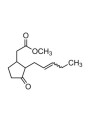
- Identify Key Components: Some materials are more central to the Jasmine profile than others. For example, Methyl Dihydrojasmonate (Hedione) is a very common and important component, known for its diffusive, floral, slightly citrusy-green note. Alpha-Hexyl Cinnamaldehyde provides a floral-green, slightly waxy body. Benzyl Acetate contributes a sweet, powerful, fruity-floral top note.
- Consider Nuances: Other chemicals add specific facets. Jasmone Cis is found in natural Jasmine absolute and provides a characteristic warm, spicy, slightly mushroomy note. Dihydrojasmone offers a less fatty, more diffusive jasmine character. Jasmin Cyclopentanone (Jasmatone) and Jasmin Pyranol (Jessemal) are other materials used to build jasmine accords, each with unique nuances.
- Experimentation: Creating a fragrance accord is an iterative process. You start with a basic combination of key materials and then add smaller amounts of other components to fine-tune the scent, adding complexity, diffusion, tenacity, or specific green, waxy, sweet, or indolic (if desired) notes.
- Formulation Goal: The intended application (perfume, soap, candle, etc.) can also influence material selection based on performance, cost, and regulatory considerations.
In summary, you select the aroma chemicals that best help you achieve your specific creative vision for the Jasmine scent, rather than using the entire list exhaustively. It's a process of selection, blending, and refinement through experimentation.
Related Products Mentioned

Alpha-hexyl Cinnamaldehyde (FEMA-2569)
Jasmone Cis (FEMA-3196)
Methyl Dihydrojasmonate, Hedione (standard)
Methyl Dihydrojasmonate, Hedione (high Cis)
Benzyl Acetate (FEMA-2135)
Alpha-amyl Cinnamaldehyde
Dihydrojasmone (FEMA-3763)
Jasmin Cyclopentanone, Jasmatone
Jasmin Pyranol, Jessemal