Choosing the Best Vitamin C Derivative for a 6% Niacinamide Whitening Lotion
Asked by: Anonymous
On: March 27, 2026
Product Type:
Cosmetics
Answered
Question
I would like some advice on choosing the right Vitamin C for a whitening lotion formulation that contains 6% Niacinamide.
- Which type of
Vitamin Cshould I use? - I am looking for a version that is compatible with 6%
Niacinamideand will not cause stability issues.
Answer
For a whitening lotion containing 6% Niacinamide, choosing the right Vitamin C derivative is critical because some forms are incompatible or require a pH that would cause Niacinamide to degrade or cause skin irritation (flushing).
Based on the product database, here are the best recommendations:
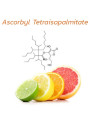
1. Best Recommendation: Perfect-C™ (Ascorbyl Tetraisopalmitate)
This is an oil-soluble Vitamin C derivative that is highly stable and effective.
- Why it's the best choice: Since it is oil-soluble, it does not interact with Niacinamide in the water phase. It is stable at a wide pH range, making it perfectly compatible with the pH required for Niacinamide.
- Benefits: Excellent skin penetration, effective for whitening, and stimulates collagen.
- Usage: Mix into the oil phase of your lotion. Recommended usage: 1-3%.
2. Water-Soluble Options: Sodium Ascorbyl Phosphate (SAP) or Magnesium Ascorbyl Phosphate (MAP)
These are stable water-soluble derivatives.
- Why they work: Both SAP and MAP are stable at a neutral to slightly alkaline pH (pH 7.0-9.0). Niacinamide is also stable in this range (optimally 6.0-7.0).
- Important Note: You must adjust the final pH of the formula to approximately 7.0 to ensure both ingredients remain stable.
- Stability Tip: Always include Disodium EDTA at 0.2% to protect the Vitamin C from degradation caused by metal ions in the water.
⚠️ Forms of Vitamin C to Avoid with 6% Niacinamide
- Ascorbyl Glucoside (AA-2G): The manufacturer specifically advises not to use this with Niacinamide (Safe-B3™) as it negatively affects the stability of the Vitamin C.
- Ethyl Ascorbic Acid: Product guidelines suggest avoiding Vitamin B3 in the same formula to prevent stability issues and potential discoloration.
- L-Ascorbic Acid (Pure Vitamin C): Not recommended because it requires a very low pH (~3.5). At this low pH, Niacinamide can convert into nicotinic acid, which causes skin redness and irritation (flushing).
Summary for Formulation:
- Top Choice: Use Perfect-C™ in the oil phase for maximum stability and ease of formulation.
- Water-Soluble Choice: Use SAP or MAP, but ensure the final pH is around 7.0.
- Essential Additive: Use Disodium EDTA (0.2%) in any water-containing formula with Vitamin C.
- Niacinamide Choice: Use Safe-B3™ for the 6% Niacinamide to minimize the risk of irritation compared to standard grades.
Related Products Mentioned
Safe-B3™ (Vitamin B3, Niacinamide)
Cosmetics
Disodium EDTA
Cosmetics
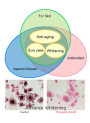
Magnesium Ascorbyl Phosphate
Cosmetics