Cica Sleeping Mask Formulation: Mixing, Texture, Preservation & Stability
Question
Seeking guidance on formulating a Cica Sleeping Mask using a specific base and added actives, including questions on mixing methods (especially without a blender), expected texture and how to adjust it, potential for skin irritation, the requirement for preservatives, and overall formulation recommendations.
Answer
Analysis of Your Cica Sleeping Mask Formula
Here is an analysis of your proposed Cica Sleeping Mask formula and answers to your questions:
1. Can this formula be mixed together without using a blender?
Simply mixing by hand without any equipment is unlikely to result in a stable and homogeneous product. While the Cica Sleeping Mask Base is designed to incorporate other ingredients, several components in your formula require specific mixing conditions:
- Dipalmitoyl Hydroxyproline needs to be dissolved in an oil phase using heat (80-85°C) before being combined with the rest of the formula.
- Pure-Adenosine is a powder that needs to be properly dispersed in the cream or gel base.
- Combining the heated oil phase with the water phase/cream base typically requires emulsification, which is best achieved with a homogenizer or blender to create a stable emulsion.
- Ingredients like Salmon Roe Extract and Pisum Sativum Extract are heat-sensitive and should be added in a cooling phase after the main emulsion is formed.
Therefore, some form of mixing equipment (like a homogenizer or blender) and a proper mixing procedure involving heating and cooling phases will be necessary to ensure all ingredients are fully incorporated and the product is stable.
2. Will the cream texture be liquid? If so, what ingredient should be added?
Adding a total of 43.5% of active ingredients, many of which are liquids or dispersed in water, to the Cica Sleeping Mask Base (56.5%) could potentially thin out the final texture compared to the original base.
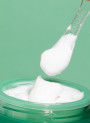
The Cica Sleeping Mask Base is designed to have a sleeping mask texture, which is generally rich. However, incorporating such a high percentage of additional liquid/dispersible ingredients might reduce its viscosity.
If the texture becomes too liquid, you would need to add a compatible thickener. The base already contains thickeners. You might consider adding more of a similar thickener or a different type of thickener that is compatible with all your ingredients and the base's composition. However, without specific knowledge of the base's exact thickener system and the interactions with all added actives, it's difficult to recommend a specific thickener or amount.
3. Will this formula cause skin irritation?
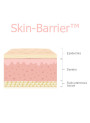
The formula includes ingredients known for their soothing and skin barrier repairing properties, such as Calendula Extract and Skin-Barrier. The Cica Sleeping Mask Base is also preservative-free and fragrance-free, which helps reduce the risk of irritation.
However, any cosmetic product, especially one with multiple active ingredients, has the potential to cause irritation in sensitive individuals. While the ingredients are generally considered safe at the concentrations used, individual skin reactions can vary.
It is always recommended to perform a patch test on a small area of skin before applying the product to the entire face, especially if you have sensitive or reactive skin.
4. Is it necessary to add a preservative?
Yes, adding a broad-spectrum preservative system is absolutely necessary for this formula.
- The Cica Sleeping Mask Base is preservative-free.
- Several ingredients, such as Salmon Roe Extract, Pisum Sativum Extract, and Pure-Adenosine, require refrigeration for storage, indicating their susceptibility to microbial growth.
- The formula contains a significant water phase, which is an ideal environment for bacteria, yeast, and mold to grow.
- While Repair Activator contains some preservatives, they are likely not sufficient to protect the entire formula at the given concentrations and with the addition of other unpreserved ingredients.
Without adequate preservation, the product will be prone to microbial contamination, which can lead to spoilage, loss of efficacy, and potential skin infections. Choose a preservative system that is compatible with all ingredients and effective across the pH range of your final product.
5. Are there any additional recommendations?
- Mixing Procedure: Develop a detailed mixing procedure that accounts for the solubility and heat sensitivity of each ingredient, particularly the need to heat Dipalmitoyl Hydroxyproline in the oil phase and add heat-sensitive extracts in the cooling phase.
- Preservation: Carefully select and incorporate a suitable broad-spectrum preservative system at the recommended usage rate to ensure the safety and stability of the product throughout its shelf life.
- Stability Testing: Conduct stability testing (e.g., observing appearance, odor, texture, and pH over time at different temperatures) to confirm the formula remains stable and effective.
- pH Adjustment: Check the final pH of the formula and adjust it if necessary to be within the optimal range for skin health (typically 4.5-5.5) and ingredient compatibility.
- Ingredient Quality: Ensure all ingredients are sourced from reputable suppliers and are of cosmetic grade.
Related Products Mentioned

Calendula Extract (Water Soluble)

Dipalmitoyl Hydroxyproline (DPHP)

Wrinkle-Lax™ คลายริ้วรอย

Pisum Sativum Extract (Pea-Ex™)
Pure-Adenosine™