Clarifying 'Natural' vs. 'Naturally Derived' Ingredients in Gel Formulation
Question
Could you please clarify the difference between 'natural' and 'naturally derived' ingredients in cosmetic formulations, specifically in the context of formulating a gel? I would also like to know the classification (natural, naturally derived, or synthetic) of the following ingredients:
- Xanthan Gum
- Phenoxyethanol
- Surfactants (like Lauryl Glucoside)
- Alpha Arbutin
- B3 (Niacinamide)
- Paraben
Furthermore, if I formulate a gel myself using these ingredients, would it be considered a 'natural' gel?
Answer
Understanding 'Natural' vs. 'Naturally Derived' Ingredients
Marketing terms like "natural" and "naturally derived" in cosmetics can be confusing because there isn't one strict definition that everyone agrees on. As the staff reply explained, "natural" often refers to substances found in nature, while "naturally derived" usually means a substance that started from a natural source but has been chemically processed or modified. The key takeaway is that whether an ingredient is "natural" or "naturally derived" doesn't automatically mean it's safe or effective; safety and efficacy are determined by scientific evaluation, not just origin.
Let's look at the ingredients you asked about:
- Xanthan Gum: This is produced through the fermentation of sugars by bacteria. While it comes from a natural process involving living organisms, the production is controlled by humans. It's often considered a naturally derived ingredient.
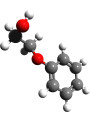
- Phenoxyethanol: Although it can be found in some plants, the Phenoxyethanol used in cosmetic products is almost always synthesized in a lab to ensure purity and consistency. So, while its chemical structure exists in nature, the ingredient you use is typically synthetic.
- Surfactants (like Lauryl Glucoside): Many surfactants recommended for gentle cleansing, such as Lauryl Glucoside, are considered naturally derived. They are made by chemically combining components from natural sources like coconut or palm oil and glucose from corn. This process modifies the original natural substances.
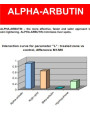
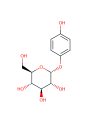
- Alpha Arbutin: This ingredient is derived from plants (like bearberry). It is often produced through processes like enzymatic synthesis, which starts with natural precursors but involves laboratory steps. It falls under the "naturally derived" category.
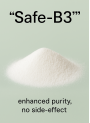
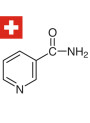
- B3 (Niacinamide): Vitamin B3 is a vitamin found naturally in various foods. The Niacinamide used in cosmetics is chemically identical to the natural form and is generally considered a natural ingredient.
- Paraben: Some types of parabens can be found in nature in certain plants. However, the parabens commonly used as preservatives in cosmetics are synthesized in a lab. They have the same chemical structure as the natural ones.
Regarding whether a gel you formulate yourself can be called "natural," it depends on your definition and the ingredients you choose. If you use ingredients that are minimally processed and directly extracted from nature, you might consider it more "natural." However, most cosmetic formulations, even those aiming for a "natural" image, contain some ingredients that are naturally derived or synthetic but chemically identical to natural substances, often for reasons of stability, efficacy, or safety (like preservatives). The term "natural" is largely used for marketing, and it's more important to focus on the safety and effectiveness of the specific ingredients in your formula.
Related Products Mentioned
Alpha Arbutin (Switzerland)
Safe-B3™ (Vitamin B3, Niacinamide)
Phenoxyethanol (Extra Pure)
Lauryl Glucoside

Phenoxyethanol SA (eq. Optiphen Plus)
Alpha Arbutin (China, Crystal Form)