Clarins Double Serum Formula Analysis and Ingredient Alternatives
Question
Based on the provided ingredient list for Clarins Double Serum, which has a two-phase separation (serum and oil) in the bottle, could you advise on potential ingredient substitutions or formula adjustments? The ingredient list is as follows:
- AQUA/WATER/EAU
- CETEARYL ISONONANOATE
- Glycerin
- Isononyl Isononanoate
- Caprylic/capric triglyceride
- pentylene glycol
- PPG-3 Myristyl Ether
- ETHYLENE/PROPYLENE/STYRENE COPOLYMER
- DIPSACUS SYLVESTRIS EXTRACT
- Butylene Glycol
- PARFUM/Fragrance
- Phenoxyethanol
- Propanediol
- Silybum Marianum SEED OIL
- Carbomer
- Tocopheryl Acetate
- ESCIN
- CHENOPODIUM QUINOA SEED EXTRACT
- Ethylhexylglycerin
- Squalane
- Avena Sativa (Oat) Kernel Extract
- THEOBROMA CACAO (COCOA) EXTRACT
- BUTYLENE/ETHYLENE/STYRENE COPOLYMER
- LEONTOPODIUM ALPINUM EXTRACT
- Xanthan Gum
- PERSEA GRATISSIMA (AVOCADO) OIL UNSAPONIFIABLES
- CARAMEL
- Curcuma Longa (Turmeric) Root Extract
- Salicyloyl phytosphingosine
- MUSA SAPIENTUM (BANANA) FRUIT EXTRACT
- SALICORNIA HERBACEA EXTRACT
- ACTINIDIA CHINENSIS (KIWI) FRUIT EXTRACT
- KALANCHOE PINNATA LEAF EXTRACT
- sodium benzoate
- Citric Acid
- MYROTHAMNUS FLABELLIFOLIA LEAF/STEM EXTRACT
- Disodium EDTA
- Tocopherol
- LYCIUM BARBARUM FRUIT EXTRACT
- MALTODEXTRIN
- ORTHOSIPHON STAMINEUS EXTRACT
- HEDYCHIUM CORONARIUM ROOT EXTRACT
- MANGIFERA INDICA (MANGO) LEAF EXTRACT
- POTASSIUM SORBATE
- Pentaerythrityl tetra-di-t-butyl hydroxyhydrocinnamate
- JANIA RUBENS EXTRACT
- ascorbic acid
- SODIUM CITRATE
- ENGELARDILLA CHRYSOLEPIS LEAF EXTRACT
- CI 14700/RED 4
- CALLICARPA JAPONICA FRUIT EXTRACT [V2925A]
Answer
Understanding the Clarins Double Serum Formula and Potential Substitutions
The Clarins Double Serum is a sophisticated two-phase product, combining both water-soluble and oil-soluble ingredients to deliver comprehensive skincare benefits. Its complex nature, featuring a wide array of plant extracts, emollients, humectants, and antioxidants, contributes to its unique texture and efficacy.
Analyzing the ingredient list and available product information, we can identify the roles of several key components and consider potential alternatives available in the database. However, it's crucial to understand that replicating the exact performance and stability of a complex, multi-phase commercial product requires extensive formulation expertise and testing.
Key Ingredients and Potential Alternatives:
Humectants (Attract and retain moisture):
- Glycerin: A fundamental humectant, Glycerin (USP/Food Grade) is highly effective at drawing moisture into the skin. It is water-soluble and a staple in many cosmetic formulations.
Emollients (Soften and smooth skin, reduce water loss):
- Caprylic/Capric Triglyceride: This light, non-greasy oil provides excellent skin conditioning. Alternatives like Caprylic/Capric Triglyceride (e.q. Myritol 318) or Fractionated Coconut Oil offer similar emollient properties and are good carriers for other oil-soluble ingredients.
- Squalane: Highly compatible with skin's natural oils, Squalane (Olive) absorbs quickly and helps improve skin's moisture barrier and elasticity.
Thickeners/Gelling Agents (Provide texture and stability to the water phase):
- Carbomer: A common gelling agent used in the water phase, requiring neutralization with a base to form a gel. Carbomer 940 (EasyDisperse™) is an example, but its use requires careful pH control and is sensitive to electrolytes.
- Xanthan Gum: A natural alternative for thickening the water phase and stabilizing emulsions. Xanthan Gum (clear gel type, smooth texture) can create a clear gel and is used to adjust viscosity.
Antioxidants (Protect against free radical damage):
- Vitamin E (Tocopheryl Acetate and dl-alpha tocopherol): Both forms of Vitamin E are valuable antioxidants. Vitamin E (Tocopheryl Acetate) is a stable, oil-soluble form, while Vitamin E (dl-alpha tocopherol) is another oil-soluble option with antioxidant benefits.
- Ascorbic Acid (Vitamin C): A potent water-soluble antioxidant that can help brighten skin and support collagen production. Vitamin C (L-ascorbic acid) (Ultra-Fine) is a pure form, but it is unstable in water and requires careful formulation at a low pH.
- Curcuma Longa (Turmeric) Root Extract: Known for its antioxidant properties. Turmeric Extract Curcumin Yellow Color (Natural Colorant) contains active curcuminoids and is water-soluble.
Preservatives (Prevent microbial growth):
- Phenoxyethanol: A widely used preservative to protect the formula from spoilage. Phenoxyethanol (Extra Pure) is available for this purpose.
Considerations for Formulation Adjustments:
Creating a stable two-phase serum is technically challenging. It typically requires specific emulsification systems or suspending agents to keep the oil and water phases dispersed. Simply combining the suggested alternatives for each category may not result in a stable product with the desired texture and feel of the original serum.
If you are formulating, consider focusing on the key functional ingredients you wish to include (e.g., a humectant, an emollient, and an antioxidant) and developing a simpler, stable single-phase system (like a serum or lotion) first. Replicating the full spectrum of botanical extracts and their synergistic effects in the original formula would be particularly difficult.
Always perform stability testing when developing new formulations or making substitutions.
Related Products Mentioned
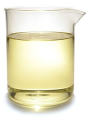
Vitamin E (Tocopheryl Acetate)
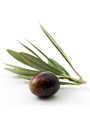
Squalane (Olive)
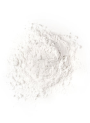
Vitamin C (L-ascorbic acid) (Ultra-Fine)
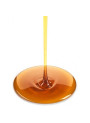
Vitamin E (dl-alpha tocopherol)
Glycerin (USP/Food Grade)
Phenoxyethanol (Extra Pure)
Fractionated Coconut Oil